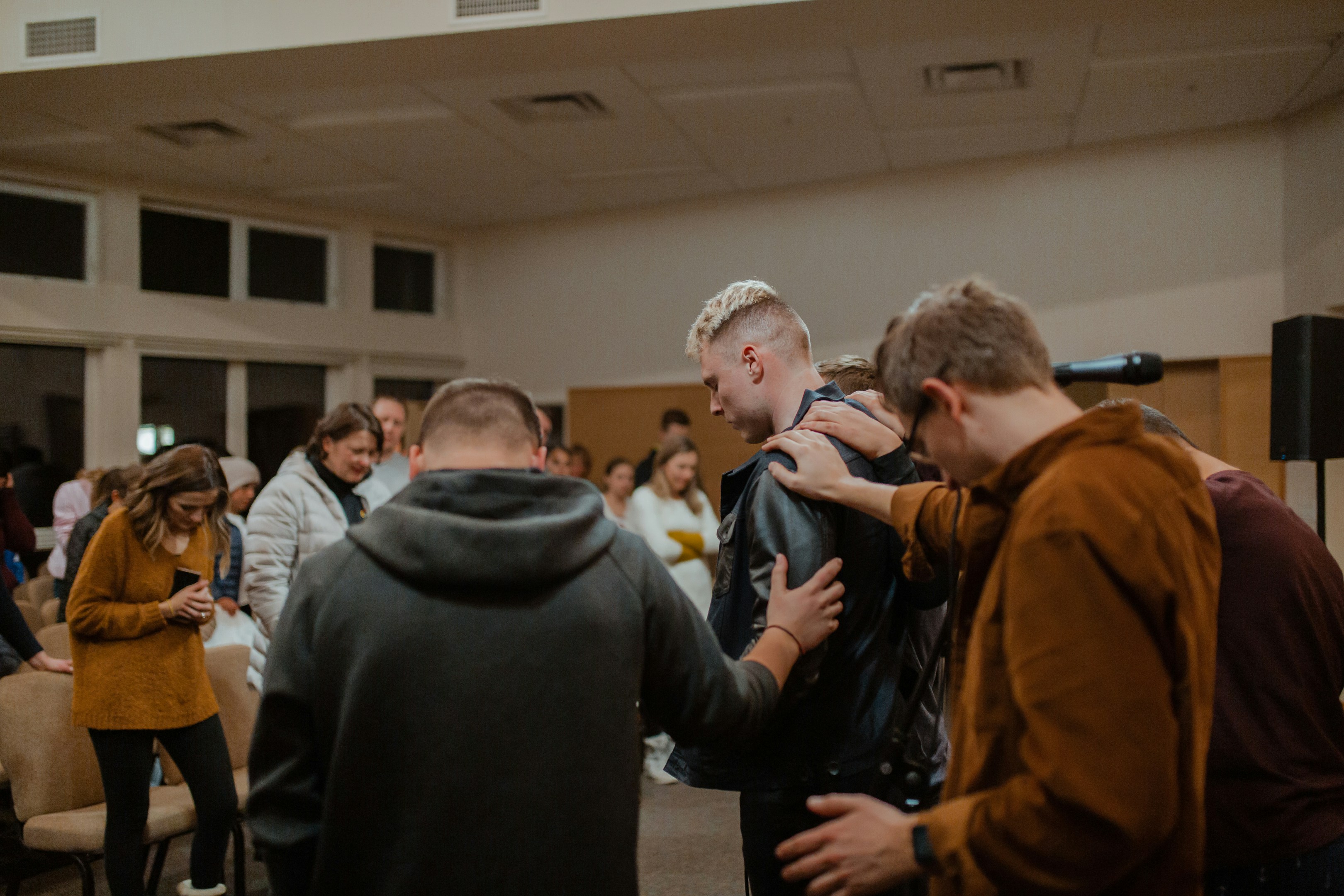
Religion and spirituality can reduce risk and assist recovery from problematic drug and alcohol use

Publicly released:
International
Photo by adrianna geo on Unsplash

People who are connected to a religion or have some other form of spirituality in their lives are at a lower risk of developing a problematic relationship with drugs or alcohol and more likely to recover from substance abuse problems, according to international research. The team combined the results of 55 previous studies into the relationship between spirituality and risky drinking and drug use, with nearly 550,000 participants combined. They say spirituality - which could mean religion or another form of higher purpose or meaning - was consistently linked to a 13% lower risk of problematic use of alcohol, tobacco, marijuana and other drugs. Protection increased to 18% for those with weekly or more frequent religious service attendance, and the researchers say a spiritual connection, including through support programs like Alcoholics Anonymous, was linked with a greater chance of recovery.

News release

From: JAMA

Spirituality and Harmful or Hazardous Alcohol and Other Drug Use

About The Study: This meta-analysis synthesized data from 55 published longitudinal studies on spirituality and harmful or hazardous alcohol and other drug use risk and documented a significant protective association. The results of this study have implications for clinicians and communities regarding future strategies for alcohol and other drug use prevention and recovery.

Attachments

Note: Not all attachments are visible to the general public. Research URLs will go live after the embargo ends.

Research JAMA, Web page The URL will go live after the embargo ends
Journal/
conference:
JAMA Psychiatry
Research:Paper
Organisation/s: Harvard University, USA
Funder: This work was supported by the Templeton Religion Trust (grant 2022-30967) and the Lee Family Fund. Dr Kelly receives funding as part of the Elizabeth R. Spallin Chair in Psychiatry in the Field of Addiction Medicine, Harvard Medical School.
Media Contact/s
Contact details are only visible to registered journalists.