Most people over 40 show shoulder issues on an MRI regardless of symptoms

Publicly released:
Australia; International; VIC
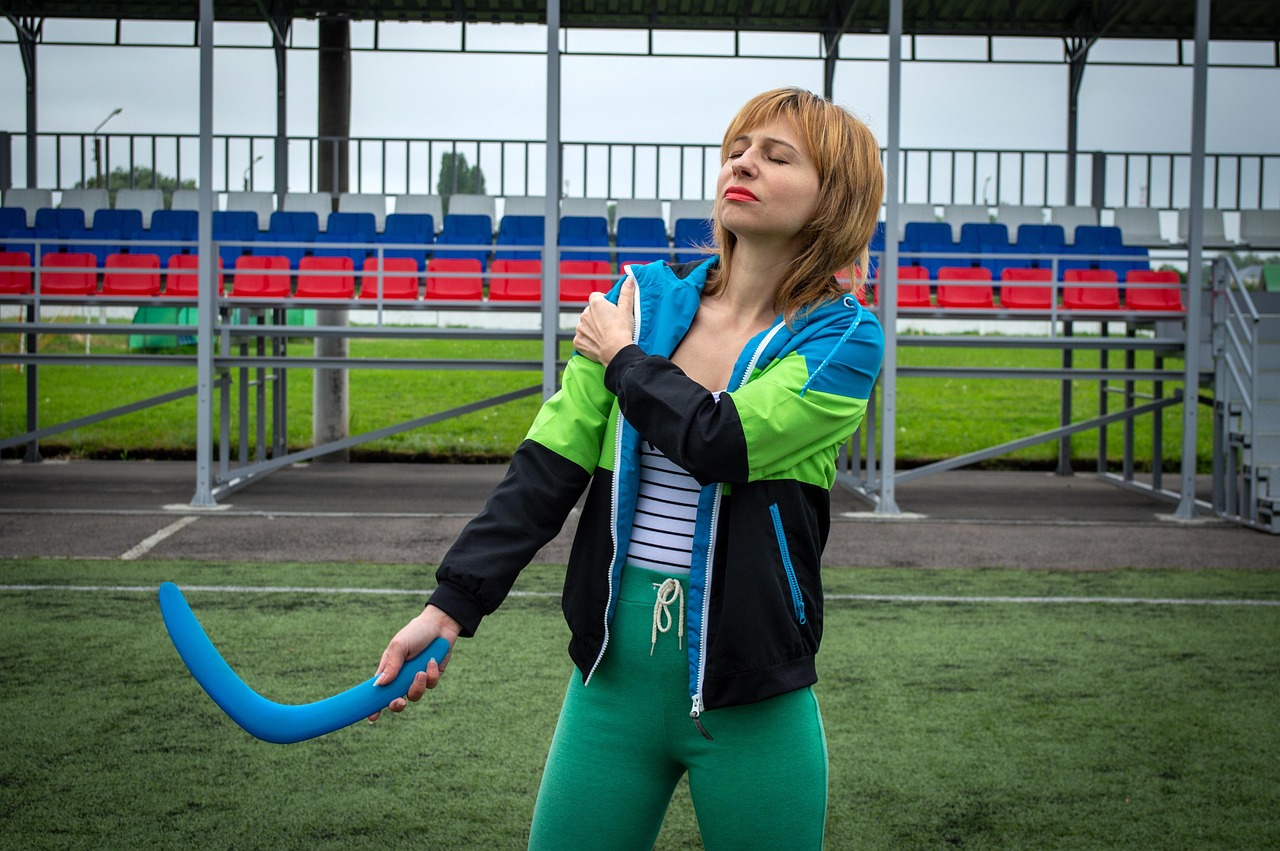
Image by Sunrise from Pixabay

Scan anyone over 40 with an MRI, and you are likely to find abnormalities in their rotator cuff (a group of muscles and tendons in the shoulder), and this shouldn't be used to diagnose or direct treatment, according to international and Australian research. The researchers scanned around 600 adults aged 41 to 76 and found that 99% had at least one abnormality in their rotator cuff. These abnormalities were present both in people with and without symptoms of pain or dysfunction. An accompanying comment piece from the San Francisco Giants Team Orthopedist says that this study importantly shows that rotator cuff changes on MRI likely reflect age-related changes rather than structural changes that require surgical management.

News release

From: JAMA

Incidental Rotator Cuff Abnormalities on Magnetic Resonance Imaging
JAMA Internal Medicine

About The Study: In this population-based study, rotator cuff abnormalities were nearly universal after age 40 and showed poor concordance with shoulder symptoms. These findings suggest that rotator cuff abnormalities often represent normal age-related changes rather than disease and call into question the clinical value of routine imaging for atraumatic shoulder pain. The accompanying commentary is co-authored by San Francisco Giants Team Orthopedist Brian Feeley, M.D.

Attachments

Note: Not all attachments are visible to the general public. Research URLs will go live after the embargo ends.

Research JAMA, Web page Please link to the article in online versions of your report (the URL will go live after the embargo ends).
Journal/
conference:
JAMA Internal Medicine
Research: Link to Paper 1 | Paper 2
Organisation/s: Monash University, Helsinki University Hospital, Finland
Funder: This study was supported by the Academy of Finland (grant number: 316061), the Social Insurance Institution of Finland (KELA, 63/26/2018), state funding for university-level health research in Finland (TYH2020213), and the Helsinki University Research Fund (WBS47087321). Dr Buchbinder is supported by an Australian Incidental Rotator Cuff Abnormalities onMagnetic Resonance Imaging Original Investigation Research jamainternalmedicine.com (Reprinted) JAMA Internal Medicine Published online February 16, 2026 E7 Confidential: Embargoed Until 11:00 am ET, February 16, 2026. Do Not Distribute National Health and Medical Research Council (NHMRC) Leadership Fellowship (GNT1194483).
Media Contact/s
Contact details are only visible to registered journalists.