 Sign In



 International
News release
From:
Genetics: A map of human chromosome organization
A detailed map of human chromosomes within the nucleus is presented in Nature this week. This resource provides a foundation for an improved understanding of how the physical layout of human DNA is associated with biological expression.
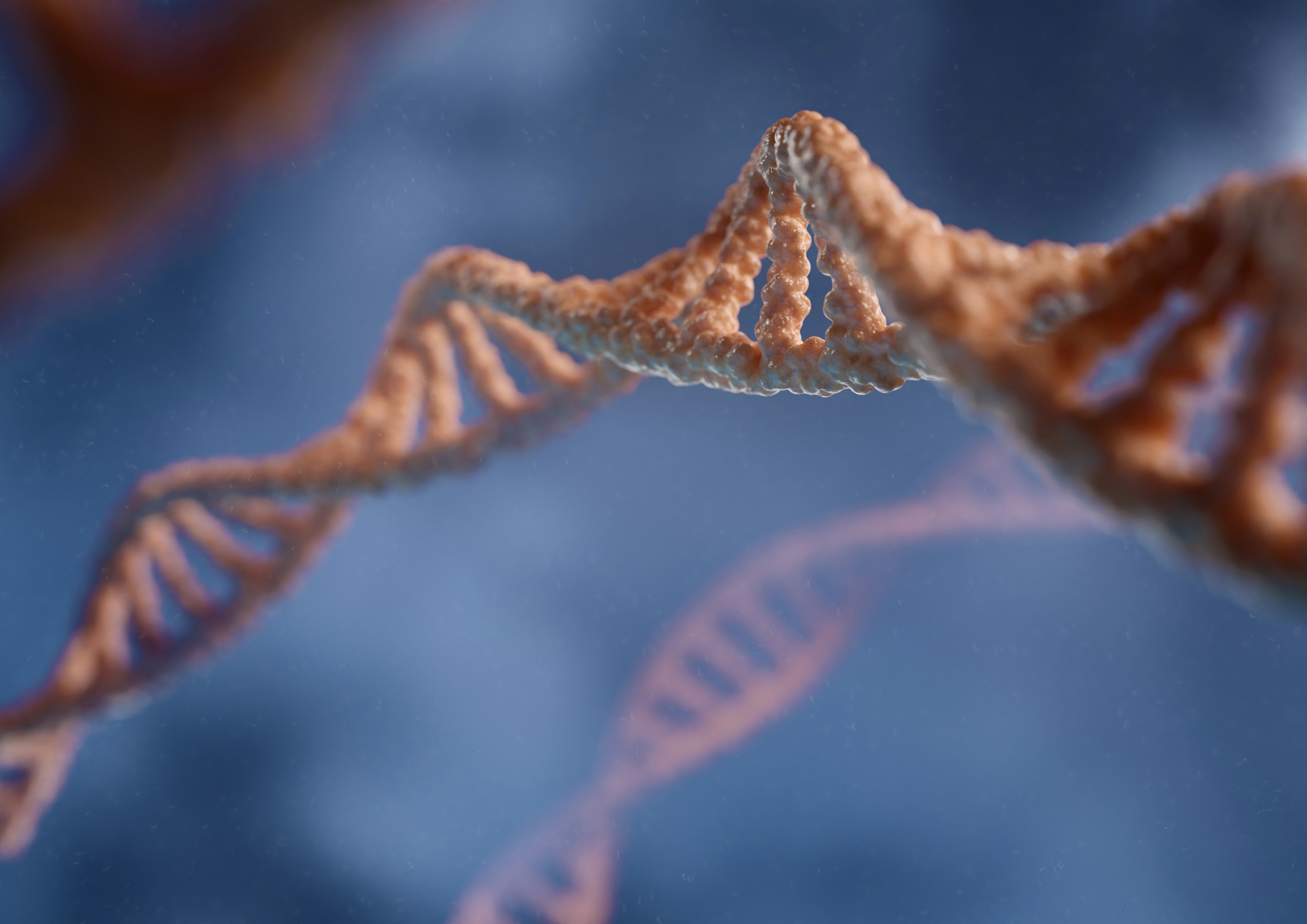
The three-dimensional (3D) organization of the human genome has a major role in coordinating how genetic material is used to control biological responses. DNA is stored within the nucleus by looping itself around histone proteins, forming a complex called chromatin. Numerous chromatin sites can be biochemically modified to regulate gene expression. The efforts to map this 3D organization and how it changes over time (the fourth dimension) is known as the 4D nucleome.
Job Dekker and colleagues at the 4D Nucleome Project use a variety of different chromosome capture methods to analyse the organization of chromosomes in two cell types: human embryonic stem cells and fibroblasts (connective tissue cells). They catalogued more than 140,000 chromatin loops (complex structures of DNA) per cell type, generating models of the nuclear environment for individual genes, including any potential long-range interactions with far-away regulatory elements. The integration of datasets from the different methods enabled the authors to benchmark each method and assess its usefulness for specific enquiries. The joint effort also uncovered how the main fundamental physical mechanisms folding chromatin, such as loop-extrusion and phase separation, act together to shape the complex genome 3D organisation. Spatial models were generated through the combination of these datasets, enabling genetic processes such as transcription and replication to begin to be placed in a 3D context within the chromatin.
Further research will be needed to explore how these observed structures link to the function of individual genes, and whether this knowledge can be utilized in the fight against genetic diseases.

