 Sign In



Attachments
Note: Not all attachments are visible to the general public. Research URLs will go live after the embargo ends.

 International
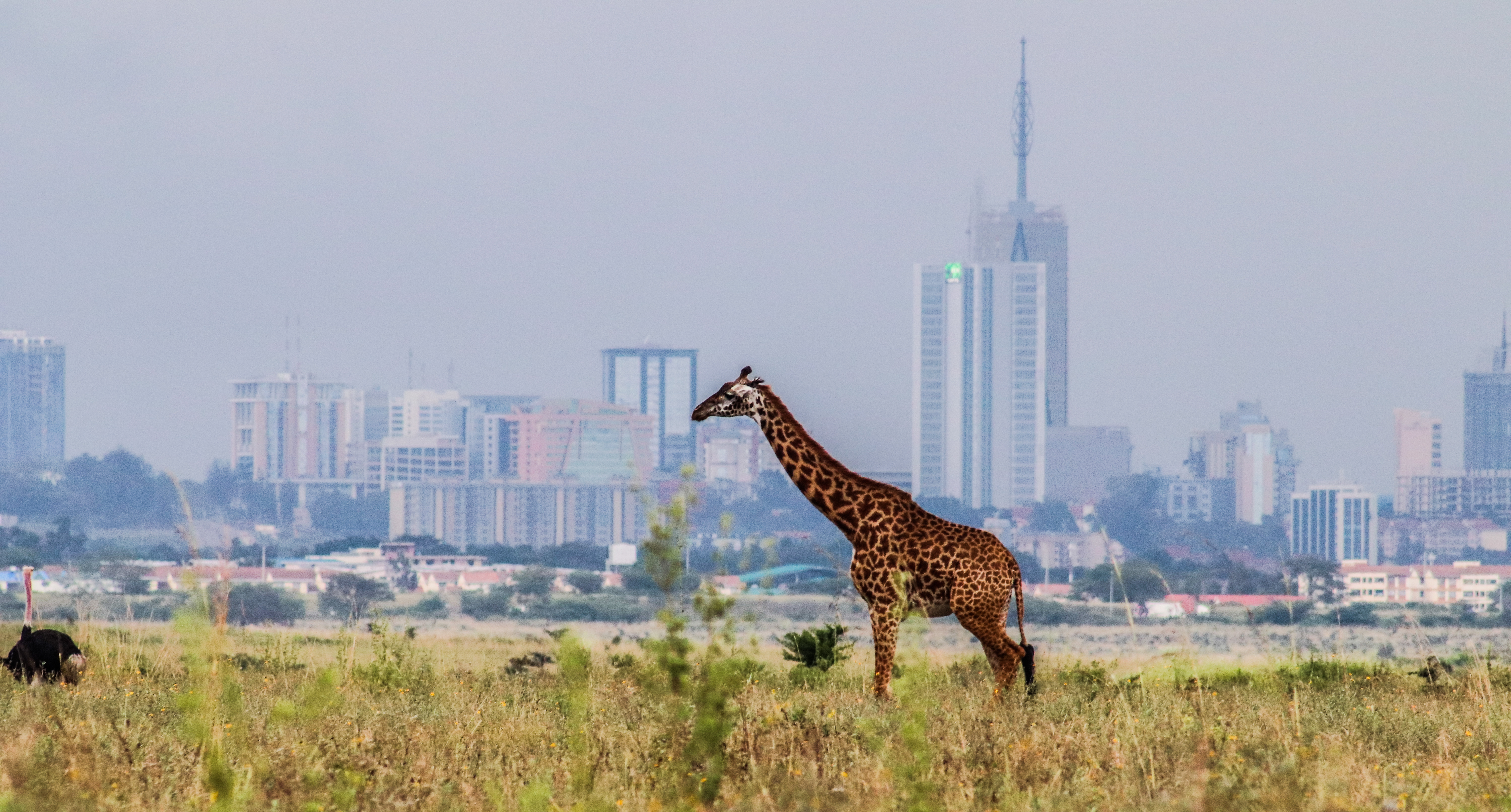
The overlap between humans and wildlife is likely to increase in over half the world's land surface by 2070, including a quarter of the land in Oceania. Researchers modelled how the overlap of humans with different types of land animals would change from 2015 to 2070 using forecasts of human population density and wildlife movements caused by climate change. In most areas where the human-wildlife overlap would increase--particularly in forests, and also in agricultural and urban areas--this was because of human populations becoming more dense, while wildlife diversity would decrease. The study authors say that their work provides a global overview of likely overlap areas that could help conservation, but more localised research is needed to effectively manage future human-wildlife interaction.
Note: Not all attachments are visible to the general public. Research URLs will go live after the embargo ends.

