 Sign In



 International
News release
From:
Weight of New York’s buildings contributing to city’s sinking problem
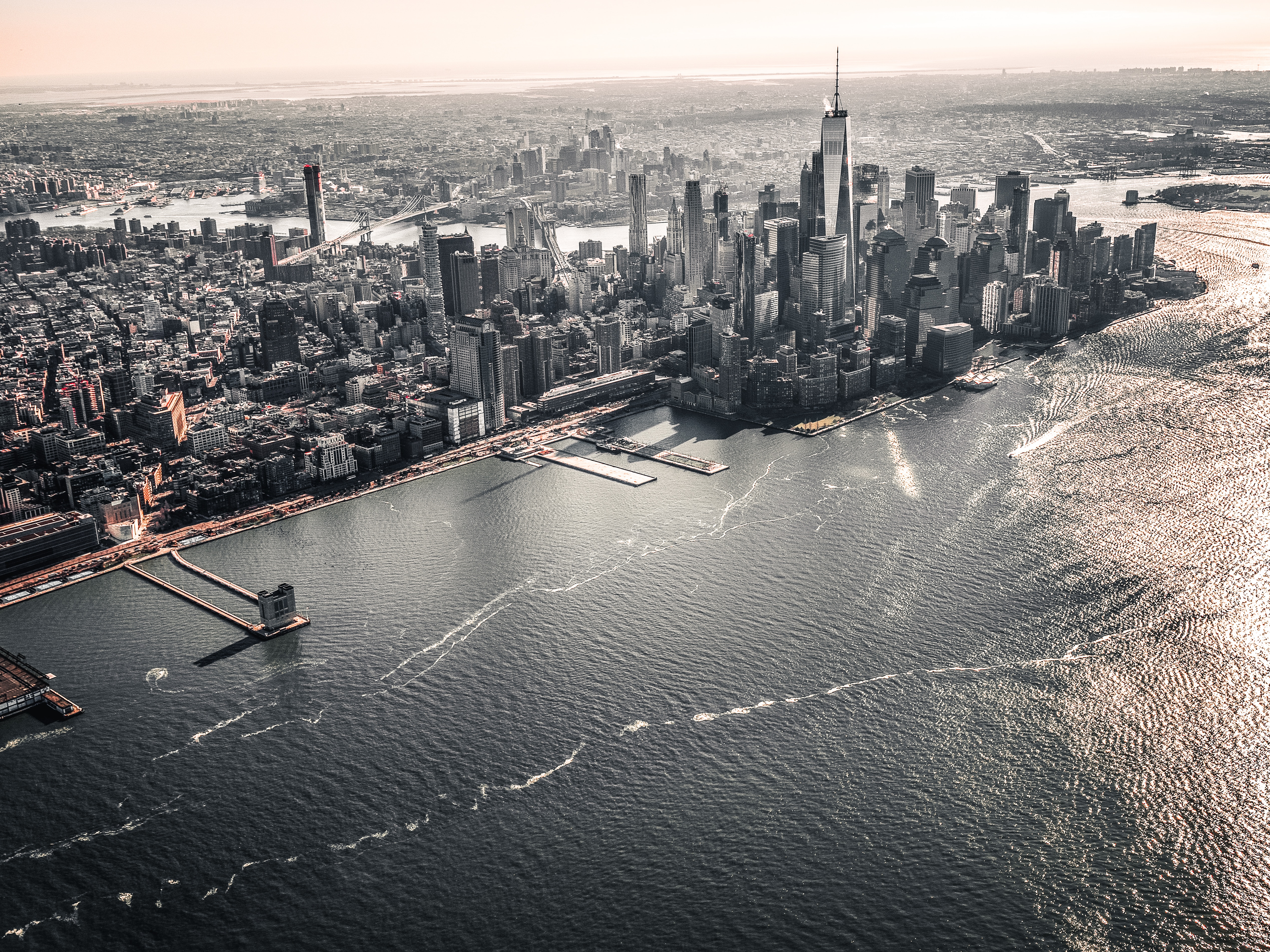
New York City, home to more than 8 million people, is sinking 1 to 2 millimeters per year — a common problem for the world’s coastal cities. A new study estimates the weight of New York City’s buildings to be 1.68 trillion pounds and finds they exert enough pressure on the land to contribute to subsidence.
Plain Language Summary
As coastal cities grow globally, the combination of construction densification and sea level rise imply increasing inundation hazard. The point of the paper is to raise awareness that every additional high-rise building constructed at coastal, river, or lakefront settings could contribute to future flood risk, and that mitigation strategies may need to be included. The subsidence mapping concept helps to quantify the hazard and adds specificity to soil types and conditions. We present satellite data that show that the city is sinking 1–2 mm/tr with some areas subsiding much faster.
Attachments
Note: Not all attachments are visible to the general public. Research URLs will go live after the embargo ends.


