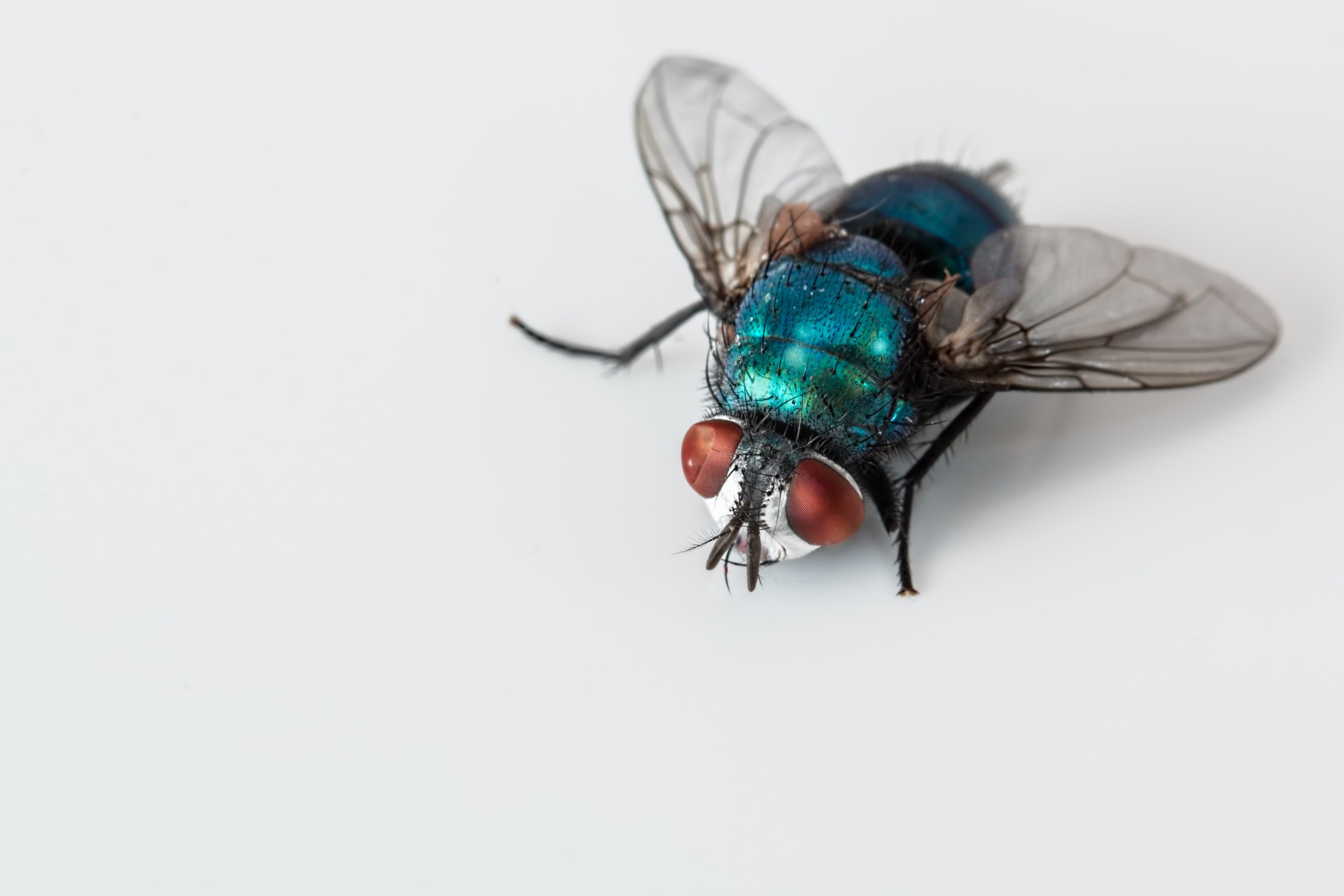
We may have discovered the reason flies are so darn hard to swat

Publicly released:
International

International researchers may have figured out why there are no flies on houseflies when it comes to outsmarting us. Houseflies use specialised hind-wings called halteres to stabilise their bodies during takeoff, allowing them to take off more rapidly, they say, which could explain why they are so darn hard to swat. They found that houseflies, as well as closely-related common pests such as blowflies and flesh flies, take off much faster than other flies. When they removed the specialised halteres, the takeoffs of houseflies and blowflies were slower and less stable. In other flies, removing halteres had no effect.

News release

From: The Royal Society

Fly swatting - Takeoff diversity in Diptera

Houseflies are known for fast takeoffs, evading humans who attempt to swat them. We used high-speed cameras to film takeoffs of more than 20 fly species. We found houseflies, as well as closely-related common pests like blow flies and flesh flies, take off much faster than other flies. When we removed the halteres, specialized hindwings of flies that help stabilize flight, the takeoffs of houseflies and blow flies were slower and less stable. In other flies, removing halteres had no effect. Our study shows that this group of flies uses sensory organs to help initiate and control a rapid escape.

Attachments

Note: Not all attachments are visible to the general public. Research URLs will go live after the embargo ends.

Research The Royal Society, Web page Please link to the article in online versions of your report (the URL will go live after the embargo ends).
Journal/
conference:
Proceedings of the Royal Society B
Research:Paper
Organisation/s: Case Western Reserve University, USA
Funder: This work was supported by Air Force Office of Scientific Research grant nos. FA9550-14-0398 and FA9550-16-1-0165 and National Science Foundation award no. 1754412 to J.L.F.
Media Contact/s
Contact details are only visible to registered journalists.