 Sign In



 Australia; International; NSW
News release
From:
Gateway for a bat coronavirus to enter human cells identified (N&V)
A subset of bat alphacoronaviruses (a major group of coronaviruses) are found to have the potential to enter human cells by exploiting a previously unknown cellular gateway, according to a study published in Nature. Although no strong evidence of infection have been detected in humans to date, the findings may broaden how scientists assess pandemic risk in the largely understudied alphacoronavirus group.
An estimated 60–75% of human infectious diseases originate in animals, making zoonotic transmission a central concern for global health. In the aftermath of the COVID 19 pandemic, attention has focused on understanding whether animal viruses infect human cells. For coronaviruses, this process depends on interactions between the viral spike protein and host cell receptors. Although six such receptors have been identified, most knowledge comes from betacoronaviruses, such as SARS CoV 2 and MERS CoV. By contrast, alphacoronaviruses, a highly diverse group that circulates predominantly in bats, remain poorly understood.
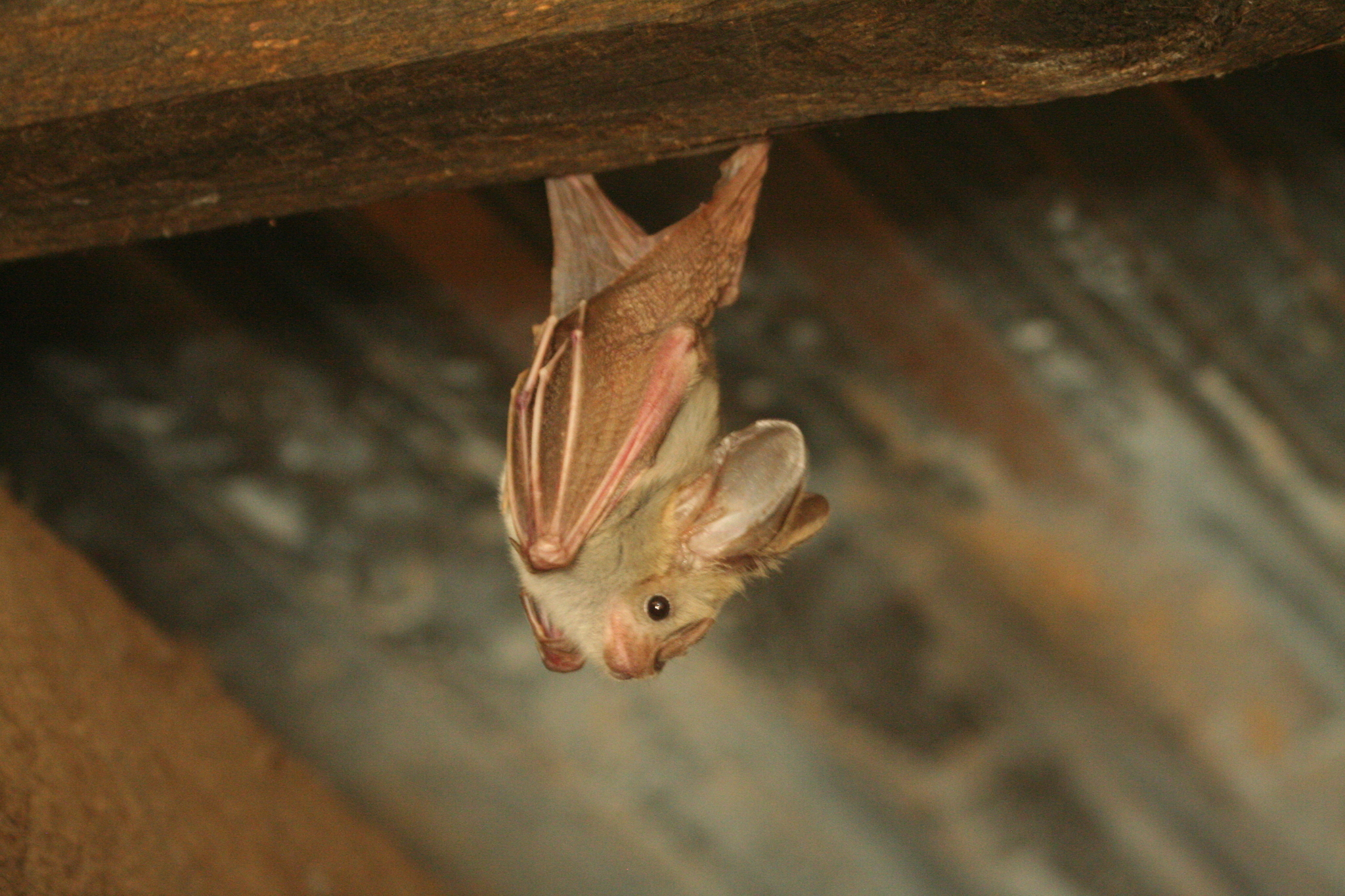
To tackle this gap, Giulia Gallo and colleagues used a computational approach to select a representative panel of 40 spike proteins representing much of the known genetic diversity of alphacoronaviruses. These spikes were incorporated into lab safe pseudoviruses and tested against libraries of known coronavirus receptors from different species. The majority of bat derived alphacoronavirus spike proteins could not use any previously identified receptors. However, one virus spike protein, from the Cardioderma cor coronavirus (originally isolated from heart-nosed bats in Kenya), could enter human cells independently of known receptors. A large scale screen of human cell surface proteins identified CEACAM6 as the entry receptor, a finding confirmed by structural and functional analyses. Related viruses from Africa, and, to a lesser extent, Eurasia, showed similar receptor usage.
Blood samples from people living near the bat sampling sites showed no evidence of widespread infection, suggesting that spillover remains unlikely. Nonetheless, the study demonstrates that alphacoronaviruses can engage human expressed receptors and provides a blueprint for identifying potential zoonotic spillover events before they emerge.
Expert Reaction
These comments have been collated by the Science Media Centre to provide a variety of expert perspectives on this issue. Feel free to use these quotes in your stories. Views expressed are the personal opinions of the experts named. They do not represent the views of the SMC or any other organisation unless specifically stated.
Dr Stuart Turville is a virologist and associate professor in the Immunovirology and Pathogenesis Program at the Kirby Institute, UNSW Australia
"Given the massive global impact both SARS-CoV-1 and SARS-CoV-2 have had, it is important that we continue to understand the biology of coronaviruses (which we are still doing for SARS-CoV-2) both circulating with human populations and also within animal populations. The latter is important for predicting zoonosis, where a virus circulating in animals may come across into the human population. The bottleneck for zoonosis is the ability of a virus adapted in one animal (say a bat) to attach and use receptors in another animal (human). For coronaviruses, it is the outside protein that studs the viral particle that determines the ability to engage human receptors and ultimately start the process of infecting human cells.
Here, the team takes a closer look at alphacoronaviruses. Whilst different to betacoronaviruses like SARS-CoV-2, they are from a coronavirus genus where there are members that do circulate in humans. These include what are often referred to as the seasonal coronaviruses HCoV-229E and HCoV-NL63, both of which cause a range of respiratory symptoms (typically mild) following infection.
Here, the team looks at the wealth of sequencing data available to build and screen the outside protein (Spike) of 40 representative members of alphacoronaviruses circulating in various animal reservoirs. The ability of the Spike to facilitate binding and entry was then determined across various cells that represent our respiratory tract, gut, liver and immune cells. One coronavirus circulating in bats from Kenya (CcCoV-KY43) was identified to bind and enter both respiratory and gut-based cells (as do SARS-CoV-2 and other coronaviruses). The human protein CEACAM6 enabled this infection, and this protein is expressed throughout the respiratory tract and gastrointestinal tract.
To check if the virus may have already crossed into the human population, 368 samples were tested from individuals who live in the vicinity of where CcCoV-KY43 was detected in animals/bats initially. Here, antibodies were screened against regions of the virus, as following viral infection, circulating antibodies are generated. Whilst strong responses were observed for known human circulating coronaviruses (e.g. SARS-CoV-2), limited responses were detected for CcCoV-KY43 and thus supports limited infection and circulation in the human populations living in the vicinity where the virus was detected.
The importance of the study is a workflow for mining sequencing data that is available for thousands of viruses that are circulating in animals and then engineering systems to determine several important parameters: 1- If a virus can bind and enter human cells (many viruses circulating in animals cannot), 2- What human proteins the virus uses to do so, 3- using human blood samples, determine if there is evidence that the virus has already crossed and spread into human populations by detecting viral specific antibodies.
Using the above approach, we now have not only tools to look at these viruses but also the knowledge of how they enter our cells and where in our bodies they could infect us. This presents a blueprint for pandemic preparedness, where this knowledge could be used to make therapeutics and/or vaccines to these viruses.
Importantly, these viruses don’t appear to be readily circulating in the human population. Many coronaviruses are detected in bats that have the potential to infect humans (eg. https://www.cell.com/cell/fulltext/S0092-8674(25)00144-8), but to date have yet to be detected in human populations.
So whilst looking at the potential for viruses to enter human populations, it is also a very hard task for viruses to firstly establish infections and, importantly, establish a type of infection that leads to rapid spread within a population. That said, given the experience for SARS-CoV-1 and CoV-2, it’s important we continue to map and resolve which coronaviruses have this potential and develop strategies like this work to be better prepared the next time one gains traction."

Professor Dominic Dwyer is the Director of NSW Health Pathology at Westmead Hospital. He is also a Clinical Professor in Medicine (Immunology & Infectious Diseases) at the Westmead Clinical School Institute for Clinical Pathology and Medical Research, University of Sydney. He was also a member of the WHO-convened team that examined the origins of SARS-CoV-2
"It is becoming more apparent that bat and animal coronaviruses are increasingly complex in their habitat, ability to replicate and capacity to jump across animal species.
Alphacoronaviruses include some viruses that mostly cause the common cold in humans, although they are a different group to the coronaviruses that cause the more severe COVID-19, SARS and MERS.
Viruses need to enter cells to cause infection and disease. The importance of this study is that the authors from the UK and Kenya have identified a new way for Kenyan bat coronaviruses to infect human cells by binding to specific receptors (called CEACAM6) that are common in the human lung. This observation isn’t restricted to African bats, but may also be seen in Europe and East Asia. One possible implication is that this could be another mechanism for new coronaviruses to cause human respiratory disease.
Part of being prepared for the next pandemic is using the multiple computational, clinical and epidemiological approaches used in this significant research to understand the features of animal coronaviruses that allow human infection. From such work may flow methods to predict future outbreaks, and develop suitable antiviral vaccines and drugs."
Professor Anthony Hannan is Group Head of the Epigenetics and Neural Plasticity Group at the Florey Institute of Neuroscience and Mental Health
"This new published study provides a strategy to identify potential pathogens (in this case viruses) in wild animals that have the potential to infect (or ‘cross over’) into humans, in a manner comparable to the way SARS-CoV-2 triggered the COVID-19 pandemic. SARS-CoV-2 belongs to a class of betacoronaviruses, whereas the authors of this new paper screened alphacoronaviruses, to see whether any posed a future risk to humans.
These findings provide a template whereby we could systematically screen viruses (and perhaps other microbes such as bacteria) living in wild animals around the world, to see which viruses have the greatest future potential to jump from a wild species into humans.
There are various ways in which these findings might be used in the future. If such potential ‘human-threatening’ viruses can be identified in various locations around the world, we could prioritise preventative measures. This could include accelerating and targeting the international fight against the exploitation of wild animals, knowing that such exploitation greatly increases the chances that a virus (or other pathogenic microbe) living in a wild animal might cross over into human populations.
Another way of translating these findings could be to develop new vaccines before a pandemic occurs, as part of a campaign for global ‘pandemic preparedness’."
Attachments
Note: Not all attachments are visible to the general public. Research URLs will go live after the embargo ends.

