Sign In



 International
News release
From:
Earth science: The spark of life on early Earth
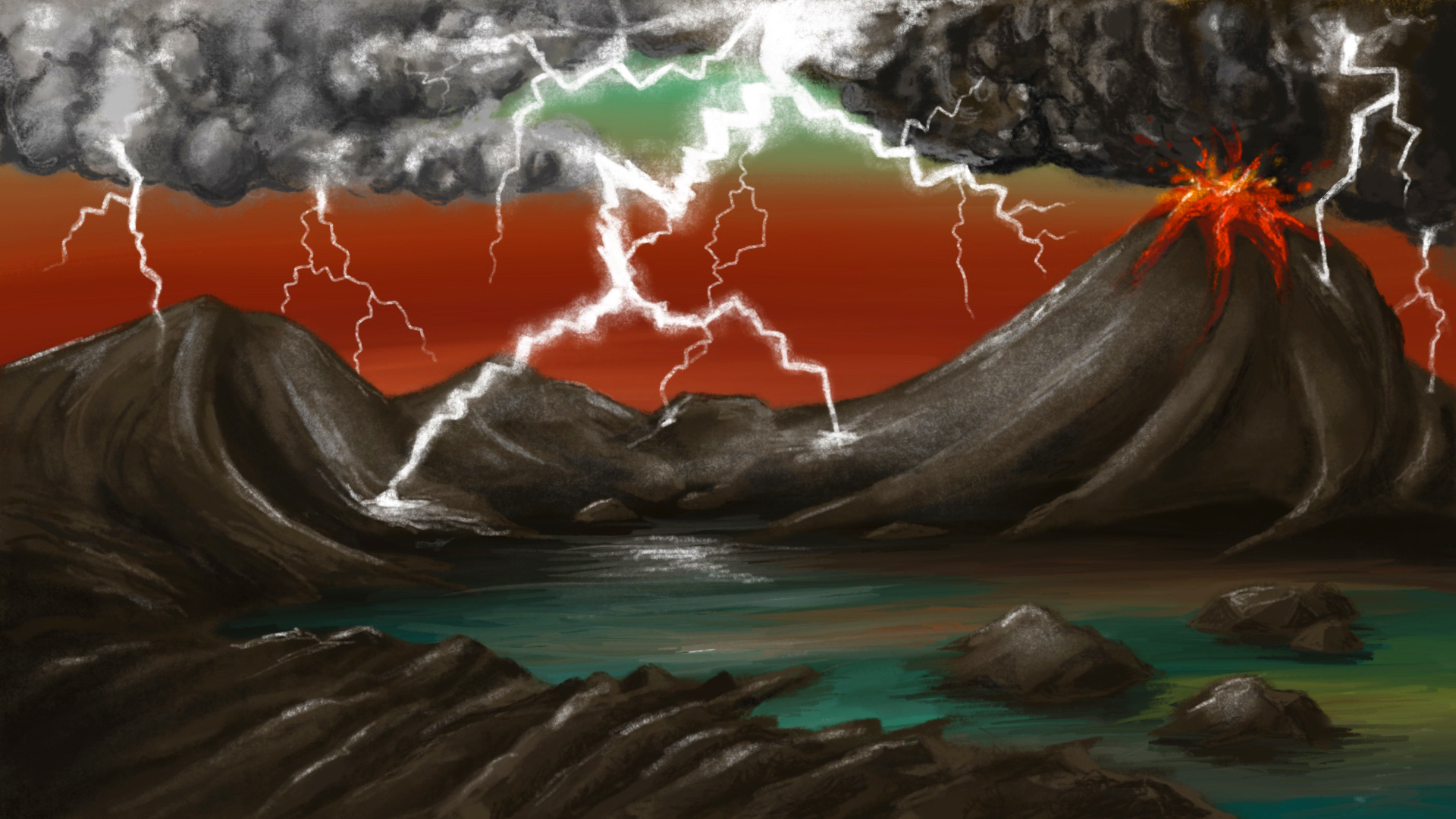
Lightning strikes may have supplied enough bioavailable phosphorus to support the first life on early Earth, according to a study in Nature Communications. These results suggest a previously unappreciated source of essential nutrients on early Earth.
The emergence of life on Earth was dependent on a precise cocktail of critical ingredients, one of which is bioavailable or reactive phosphorus, a key component of DNA, RNA, and cell membrane lipids. On early Earth, most reactive phosphorus was locked away in insoluble minerals. One exception is the mineral schreibersite, which is highly reactive and would produce phosphorus capable of forming organic molecules. However, the predominant source of schreibersite is meteorites, meaning that the emergence of life was thought to be tied to strikes by extraterrestrial rocks.
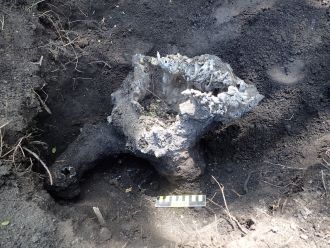
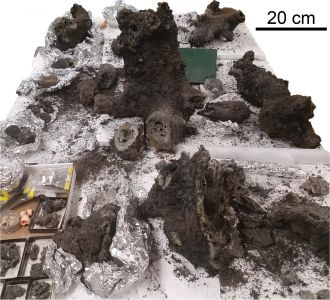
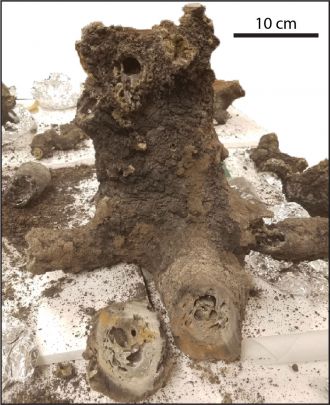
Benjamin Hess and co-authors propose an alternative source for schreibersite and the phosphorus it contains. Using a suite of spectroscopic techniques, they find schreibersite within the glassy minerals formed by lightning strikes on certain clay-rich soils. By estimating the amount of schreibersite that might have been produced by each strike, and the suitable land area on the early Earth, they calculate that lightning strikes could have accounted for between 110 and 11,000 kilograms of phosphorus per year; a large range, but enough to potentially fuel the first lifeforms, and a quantity that may have eventually exceeded meteor strikes. Using model simulations of the climate on early Earth, they predict that although meteor strikes started to decline after the Moon formed 4.5 billion years ago, the number of lightning strikes, and the phosphorus they supplied, surpassed meteorites by 3.5 billion years ago, a timing that coincides with the origin of life.
Multimedia