News release
From:
The Royal Society
Time-lagged genomic erosion and future environmental risks in a bird on the brink of extinction
Proceedings of the Royal Society B: Biological Sciences
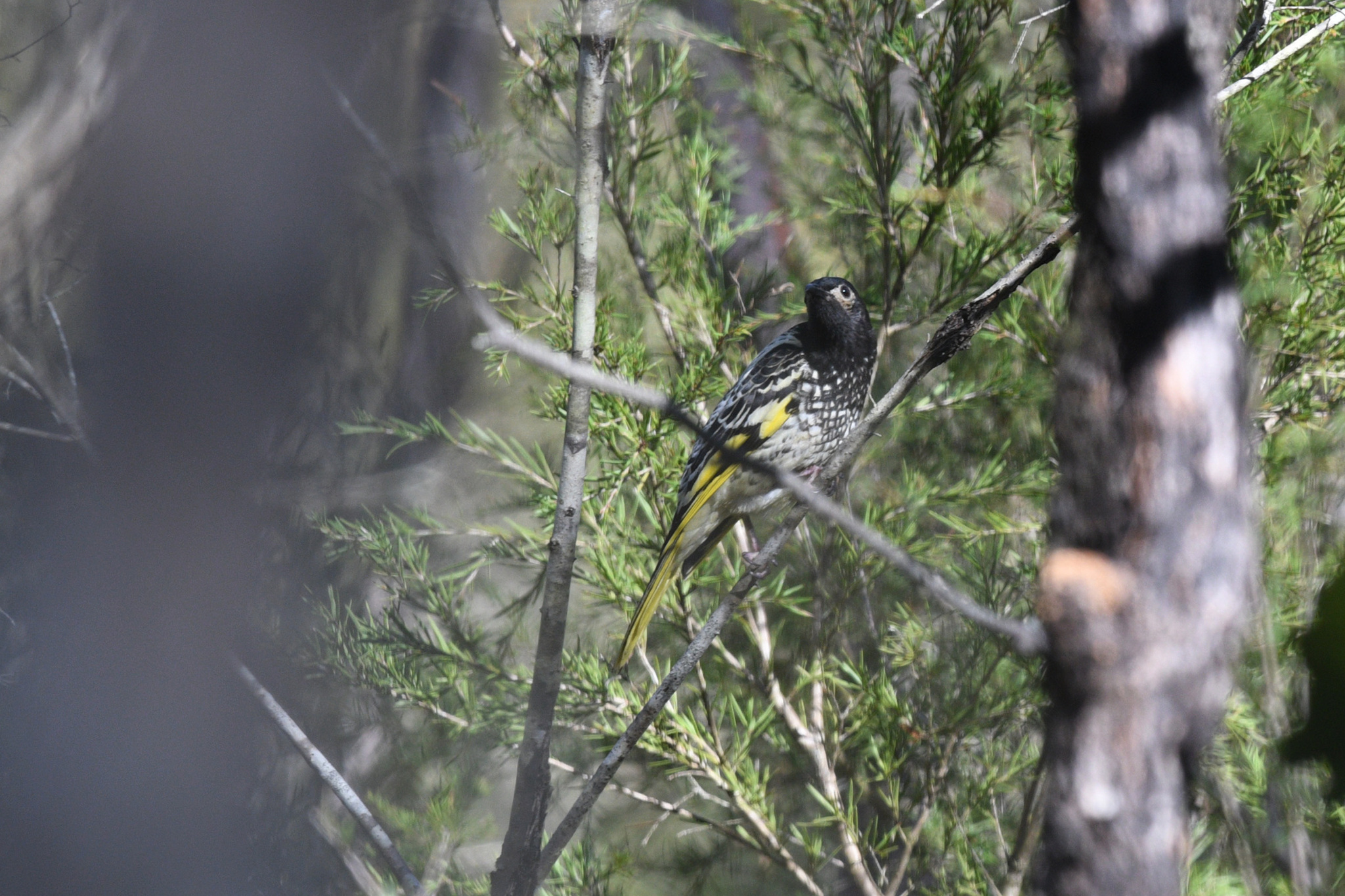
The critically endangered regent honeyeater has suffered a massive population collapse, yet its genetic diversity remains surprisingly high—for now. By comparing DNA from 100+ year-old historical sampled and modern birds, we discovered a delay in genetic decline. This means past population losses have not yet fully impacted the species' genetic health, but our models predict a slow and steady loss over time. Combined with ongoing habitat destruction, this “genetic debt” could put the species at even greater risk in the future. Our study highlights the need for ongoing genetic monitoring to protect species before these hidden threats become irreversible
Attachments
Note: Not all attachments are visible to the general public.
Research URLs will go live after the embargo ends.

Research
The Royal Society, Web page
The URL will go live after the embargo ends
Journal/
conference:
Royal Society B
Organisation/s:
The Australian National University
Funder:
This work was supported by the European Research Council (StG ERODE, 101078303 and CoG Extinction Genomics 681396);
and the Danish National Research Foundation (Center for Evolutionary Hologenomics, DNRF143). Further support was obtained from an
environmental offset paid by Cumnock Pty and the Mohamed bin Zayed Species Conservation Fund; The European Molecular Biology
Organization (ALTF 1111-2018); the European Union's Horizon 2020 Research and Innovation Programme under a Marie Sklodowska-Curie
grant (GENDANGERED, 840519).Views and opinions expressed are however those of the authors only and do not necessarily reflect those of
the European Union or the European Research Council. Neither the European Union nor the granting authority can be held responsible for
them.
 Sign In



 Australia; International; ACT