 Sign In



 International
News release
From:
A hemp-based thermoplastic offers a greener alternative to plastic packaging
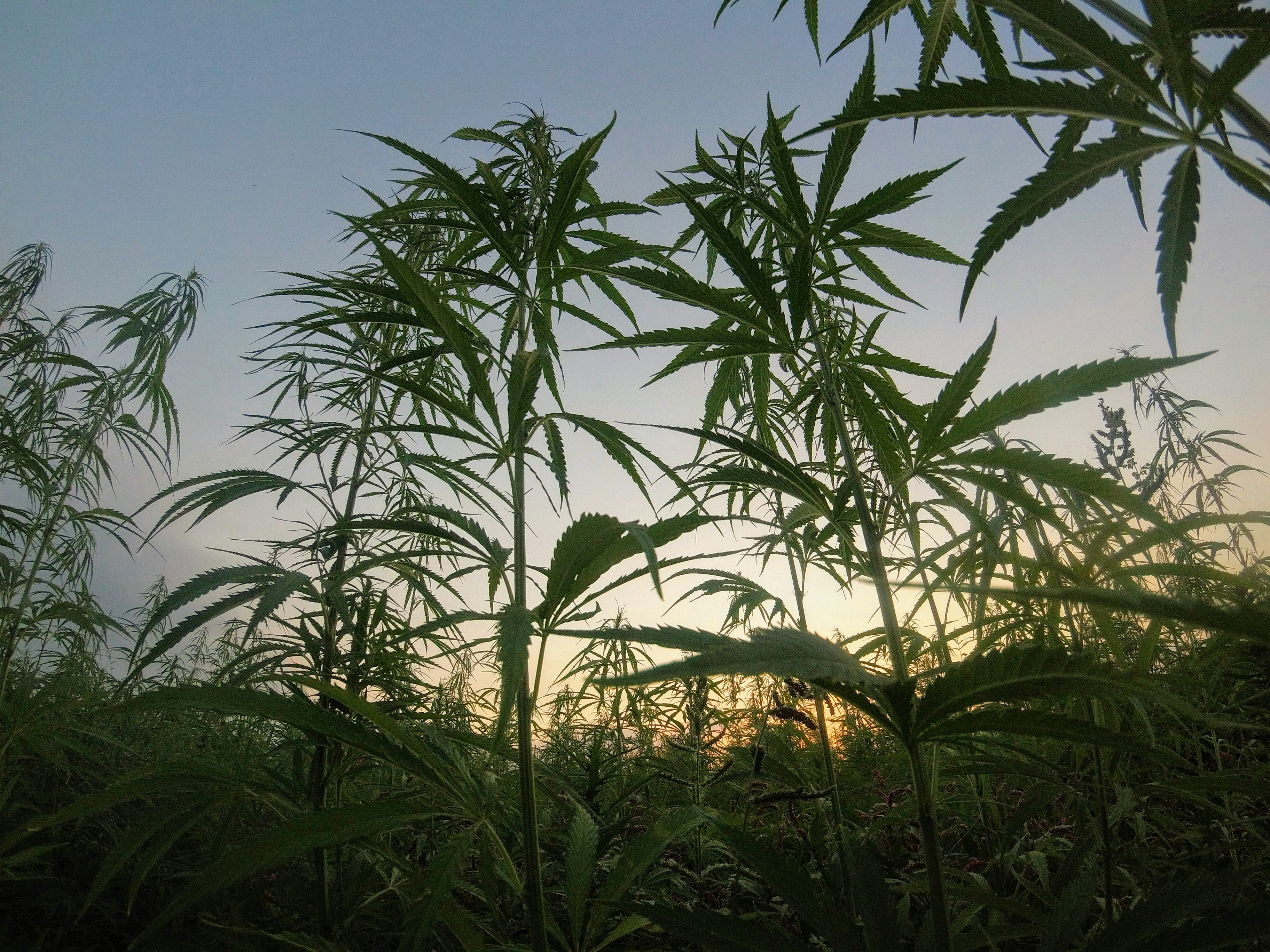
As the global pollution crisis caused by manufacturing and disposing of single-use plastics continues to grow, researchers have developed a non-toxic plastic alternative derived from the hemp plant—a non-psychoactive type of cannabis.
In a study publishing April 30 in the Cell Press journal Chem Circularity, a team of scientists and engineers demonstrates a stretchy, hemp-derived thermoplastic that can extend up to 1,600% of its size. The material has a high “glass transition temperature,” a quality that allows plastics to stay dry and durable when they come into contact with boiling hot water.
“Very few, if any, plastics made from natural resources have this quality,” says author Gregory Sotzing of the University of Connecticut. “Current day polycarbonate is made from bisphenol-A, a known endocrine disruptor. The hope here is that cannabidiol (CBD) can take the place of bisphenol-A found in today’s processed plastics,” said Sotzing, referring to the main chemical compound found in the hemp flower.
The hemp material is suitable for producing transparent plastic films, coatings, and other common materials currently made from petroleum-based materials such as polyethylene terephthalate (PET), which is widely used in single-use water bottles, food packaging, and substrates for flexible electronics. These applications require medium- to high-temperature stability and melt processability, or the ability to easily melt, deform, and shape a material—which the team has achieved in a hemp-based polycarbonate for the first time.
PET requires large quantities of fossil fuels—specifically, crude oil and natural gas—and, once discarded, breaks down into tiny particles called “microplastics” that leach chemicals including PET, which are linked to inflammation and cell damage, into our water, air, and food. While scientists have been searching for greener alternatives to PET, most polymers made from plants lack its glass transition temperature and stretchability and are more expensive to produce. Furthermore, the catalysts used to produce bio-based plastics have typically required high temperatures and have posed challenges for catalyst removal and final product purification, making them impractical for large-scale production.
To overcome these challenges, Sotzing and colleagues developed a hemp-based plastic film and tested the processing parameters that give it the right structure and properties for widespread use, establishing guidelines for the material’s industrial processing.
“This polycarbonate has, as a smooth film, a very high contact angle with water,” said Sotzing. “We were not expecting our polyCBD-carbonate to have a higher contact angle than most polyolefins,” he added, noting that materials with this property can be used as nanoparticles for drug delivery and for catheter coatings.
The researchers are in the process of studying the products formed when CBD reacts with commercial triphosgene, a crystalline solid used with hemp to produce the material. The team is also working to develop a version of the hemp-derived plastic with greater mechanical strength and to pilot a scaled-up version of their manufacturing process.
To date, not enough CBD is being produced worldwide to fully replace PET for plastics, according to the study. However, with hemp becoming a popular material in clothing, construction materials, and food products, hemp cultivation is on the rise. The plant can be grown across a wide range of climates, with relatively little water and little to no pesticides, and can be rotated with corn, soybeans, and other food crops, making it a versatile choice for farmers.
“Costs of CBD would drop upon the planting of more hemp,” said Sotzing.
Attachments
Note: Not all attachments are visible to the general public. Research URLs will go live after the embargo ends.


