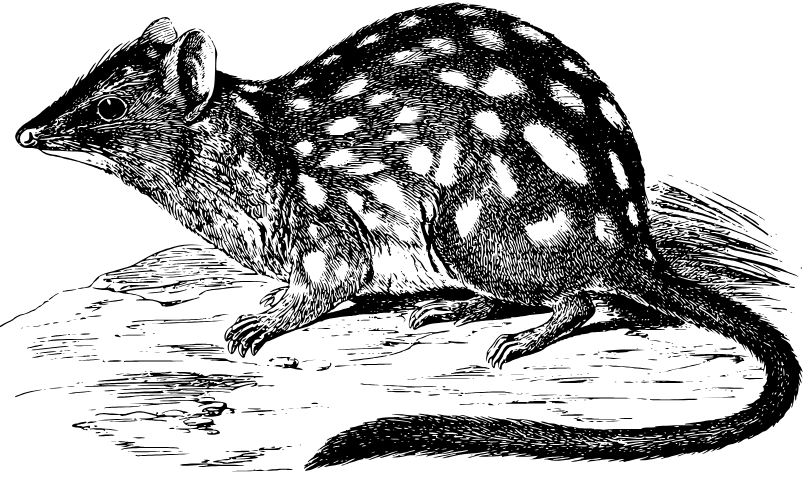
'Suitable' habitat a good guide to quoll health

Publicly released:
Australia; NSW; WA
CC-0
CC-0

When monitoring threatened species such as the northern quoll, proxies are used to estimate the health of populations because directly measuring the animals is difficult and pricey. One proxy conservationists use is called 'habitat suitability', but it was unclear whether this is a reliable indicator of the health and welfare of quolls. So, Aussie scientists set out to look at the relationship between 'habitat suitability' and the health of quoll populations, based on measures of the critters' body mass and tail circumference. They found more 'suitable' habitats meant healthier quolls, and the animals were further boosted by living in rugged, hilly terrain, and by easy access to water. The findings support the use of 'habitat suitability' as a guide to the health of quoll populations, the authors conclude.

Journal/
conference:
Wildlife Research
Research:Paper
Organisation/s: The University of Western Australia, Charles Sturt University
Funder: This project was supported by the Western Australian Department of Biodiversity, Conservation and Attractions. Environmental offsets and public good funding was provided by BHP, Rio Tinto, Atlas Iron, Fortescue Metals Group, Roy Hill, Process Minerals International, Metals X and Main Roads Western Australia.
Media Contact/s
Contact details are only visible to registered journalists.