 Sign In



Attachments
Note: Not all attachments are visible to the general public. Research URLs will go live after the embargo ends.

 Australia; NSW
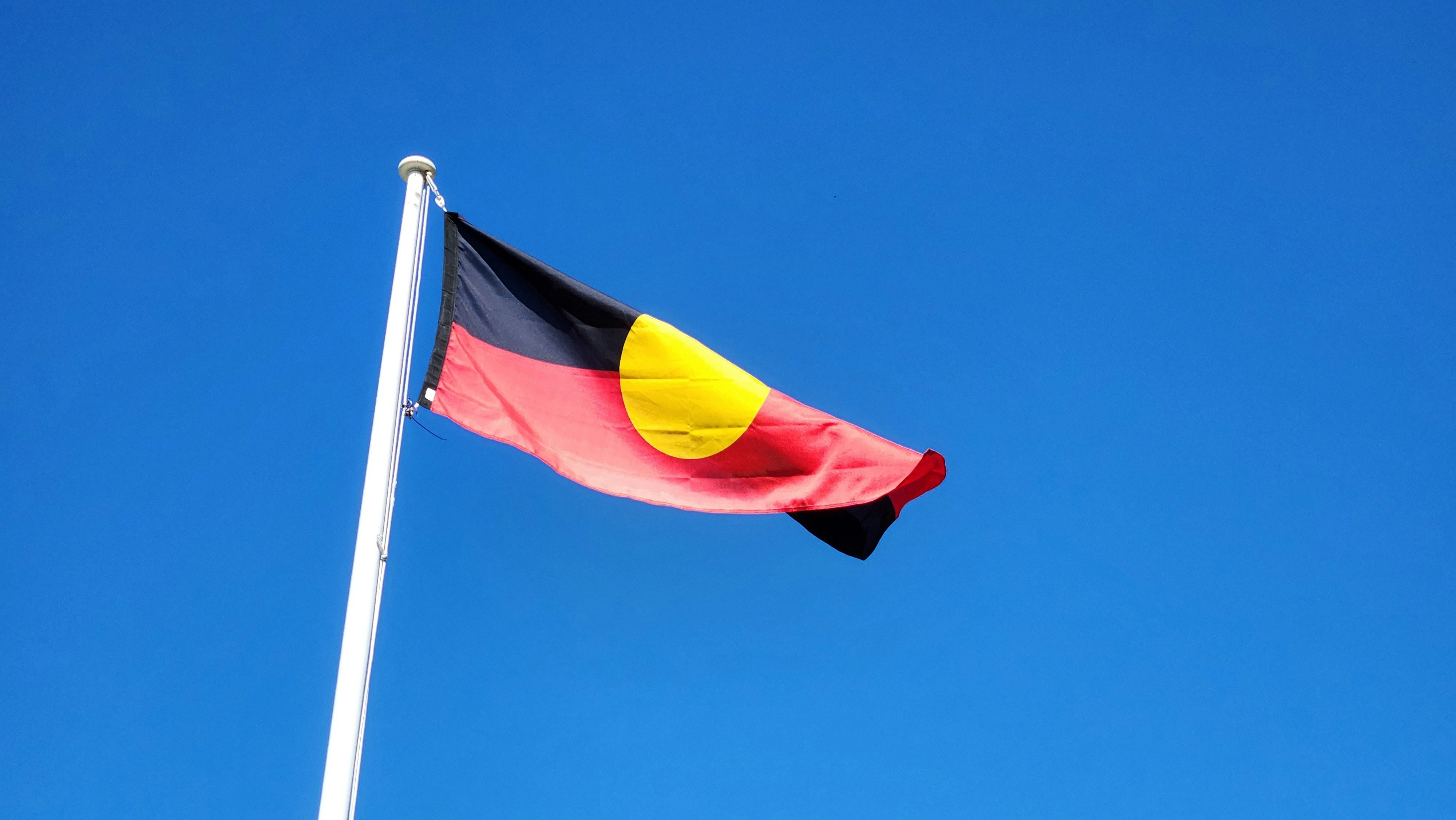
The lack of a unified national framework has resulted in fragmented support for Indigenous Aussies who were part of the Stolen Generations, and the systemic reforms in response have not gone far enough, according to Australian researchers. Forced child removals under assimilation policies led to lasting psychological, cultural and social harms, the experts say, with intergenerational effects - descendants of stolen children still experience higher rates of mental illness, chronic disease, poverty and disconnection from culture and family today. In addition, the authors say ongoing child removals are perceived as continuing this historical injustice. National apologies and state level reparations, while welcome, are not enough, they add. Indigenous-led programmes and culturally-sensitive policies to redress the health and well-being of the Stolen Generations are sorely needed, they conclude.
Note: Not all attachments are visible to the general public. Research URLs will go live after the embargo ends.

