 Sign In



 International
News release
From:
Environmental science: How to sort out plastic recycling
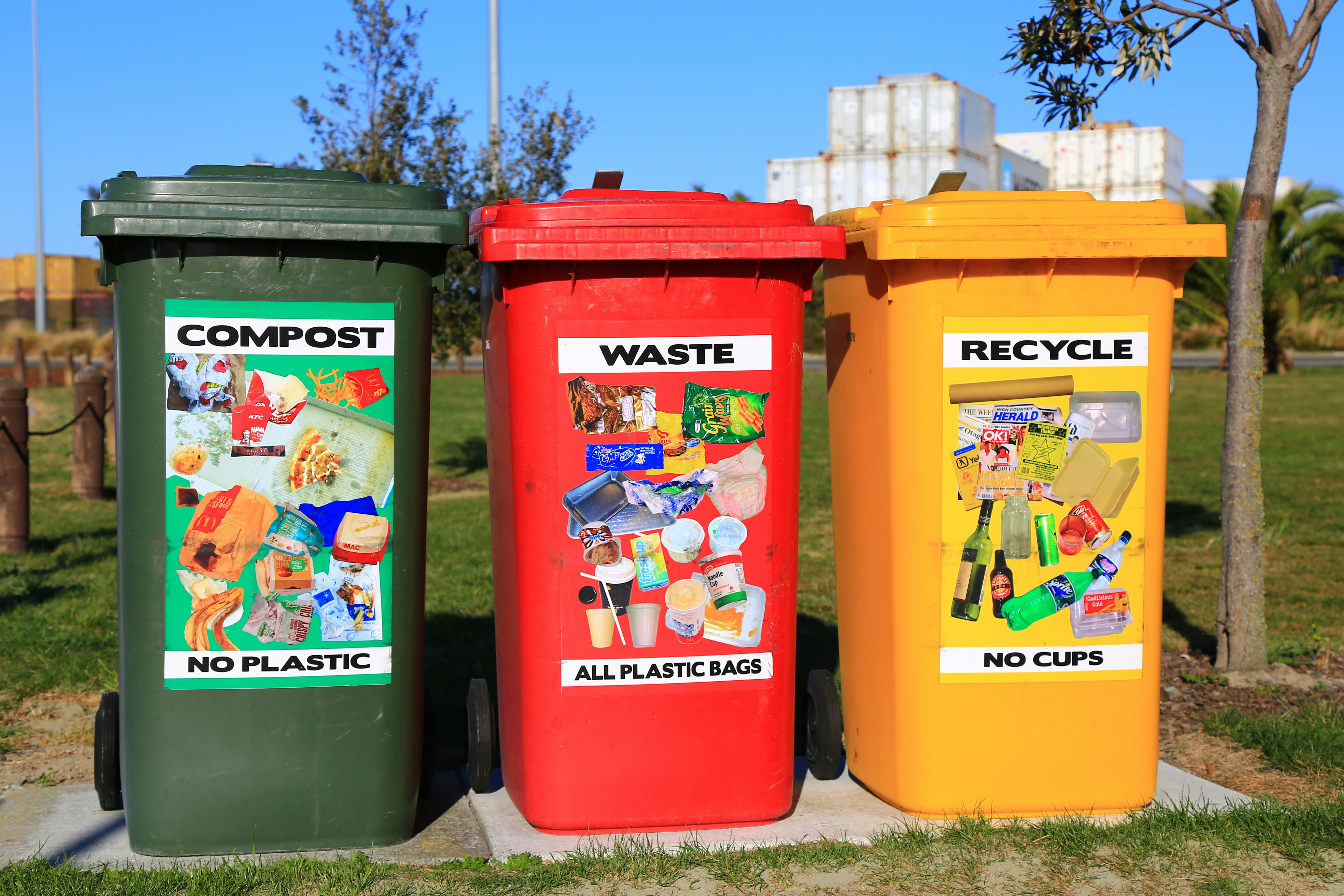
The quality of recycled plastic tends to be higher when the waste is pre-sorted by households compared with plastics recovered from mixed waste at a recycling facility in the Netherlands, research in Nature suggests. While mixed waste (not pre-sorted) collections may increase overall recycling volumes, this comes at the cost of reduced quality of the recycled product. The findings highlight the need to improve recycling collection and sorting systems.
The amount of plastic production is increasing, exceeding 413.8 megatonnes in 2024, but only about 9% is recycled. Sorting plastics is important to ensure that products are recycled properly. However, public compliance can be a bottleneck, and material recovery facilities have limited capabilities to sort different plastic types.
To determine whether mixed recycling collection can improve waste recovery rates without reducing quality, Steven De Meester and colleagues assessed bales of plastic for recycling in a waste-processing facility in the Netherlands. They compared bales from consumer-sorted collections and mixed recycling collections, both of which went through a material recovery process at the plant. The bales were analysed for composition, contamination, moisture, odours, and the presence of metals and other unwanted substances. While the composition of the plastics within the bales was similar, the bales from mixed recycling collections contained more contaminants, including prohibited metals such as cadmium and lead, which could pose risks to human health if not removed before recycling. Mixed recycling also increased the moisture and dirt content, which would require additional cleaning.
The authors also ran material flow models to estimate by how much the recycling feedstock could be increased if more mixed waste could be sorted at recycling facilities in Europe and the USA. While gains are demonstrated, they come at a financial cost; increasing mixed waste recycling by 75% would require investments of around €18 billion in Europe and around US$50 billion in the USA for post-sorting infrastructure.
The findings indicate that consumer sorting is the best way to ensure the quality of the recycled product, but the collection of mixed recycling and sorting at recycling facilities could be a complementary strategy. However, more needs to be done to improve material collection to reduce contamination, the authors conclude.
Attachments
Note: Not all attachments are visible to the general public. Research URLs will go live after the embargo ends.


