 Sign In



 Australia; International; WA
Expert Reaction
These comments have been collated by the Science Media Centre to provide a variety of expert perspectives on this issue. Feel free to use these quotes in your stories. Views expressed are the personal opinions of the experts named. They do not represent the views of the SMC or any other organisation unless specifically stated.
Dr Hadrien Devillepoix is Research Associate in the School of Earth and Planetary Sciences (EPS) at Curtin’s Space Science and Technology Centre and an author on the paper
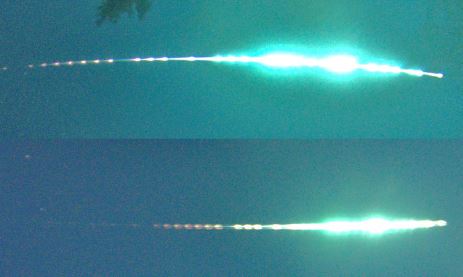
It was completely unexpected for a rocky fireball to have travelled such vast distances from the most distant region of our Solar System, called the Oort Cloud. High-tech fireball cameras developed by Curtin researchers and run by the University of Alberta captured vision of this volleyball-sized rocky meteor, weighing about 2kg. Since then, we have been able to conclude that all signs point to this dazzling fireball originating from a region much further away than we ever would have anticipated – the Oort Cloud. The Oort Cloud is a collection of icy objects sailing through space that – until now – had not offered any direct objects for scientists to observe. This new discovery showed a significant amount of rocky material was co-existing with the icy objects already known to call the Oort Cloud home. The presence of this rocky meteor from that location can not be explained by our current understanding of the formation of the Solar System.

Attachments
Note: Not all attachments are visible to the general public. Research URLs will go live after the embargo ends.

