 Sign In



 New Zealand
News release
From:
Professor James Bell, Victoria University of Wellington (author of this research)
"New research from scientists at Te Herenga Waka - Victoria University of Wellington has revealed that a common New Zealand sponge species can withstand short-term exposure to high levels of suspended sediment, offering encouraging news for coastal ecosystems facing increasing environmental pressures from increasing sediment levels.
"Suspended sediment, made up of fine particles stirred up by storms, heavy rainfall, dredging, mining and coastal development, is a growing concern for marine environments worldwide. As climate change is expected to increase the frequency and intensity of extreme weather events, more sediment is likely to end up in the sea by the coast, potentially harming plants and animals that live there.
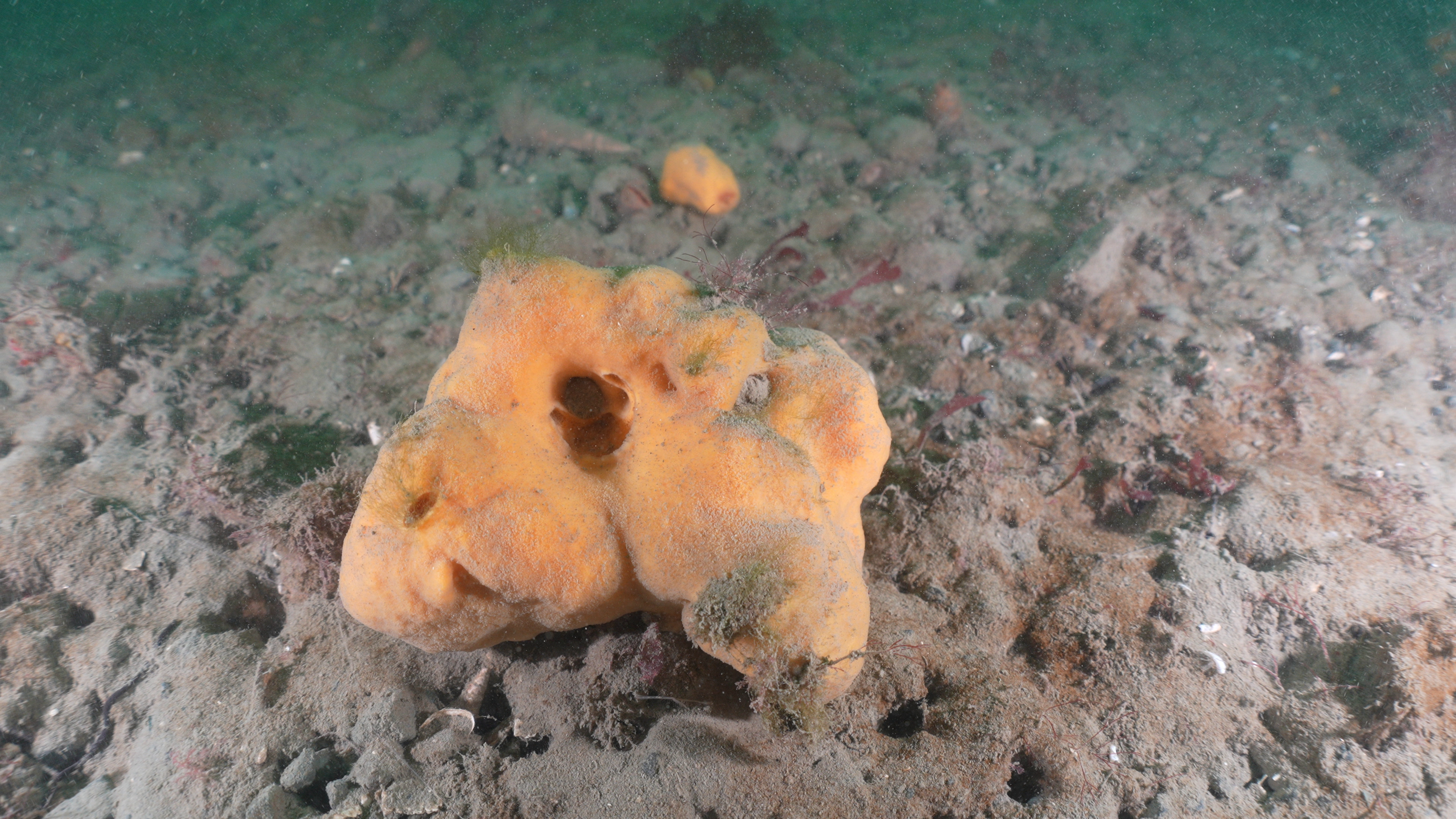
"Throughout Aotearoa New Zealand, sponges are among the most important but often overlooked animals in our coastal seas. They play a vital role in maintaining healthy marine ecosystems by filtering enormous volumes of water, recycling nutrients, providing habitat for other species, and helping to support marine food webs. Sponges are often considered vulnerable to sediment because they constantly pump seawater through their bodies to obtain food and oxygen. However, our study investigating a sponge that lives in NZ, including Wellington Harbour (Suberites australiensis) found that the species remained healthy even after prolonged exposure to sediment levels commonly experienced in Wellington Harbour during storm events.
"We exposed sponges to daily seven-hour pulses of suspended sediment over a 19-day period. Despite sediment concentrations reaching 120-150 mg per litre, consistent with levels seen during storms, the sponges showed no signs of damage or stress. Our findings suggest that these sponges can cope with short periods of high sediment exposure, helping them survive in coastal environments affected by storms and human activities.
"While our study shows this species is remarkably resilient to short-term sediment events, we still don't know where its limits lie, with future research focusing on identifying the thresholds at which sediment begins to affect sponge health and ecosystem function.
"As coastal development and climate-driven weather events continue to increase the amount of sediment that ends up in the sea, understanding how key ecosystem species respond will be critical for effective management and conservation. Sponges are important to conserve as they provide seafloor habitats for a range of commercially, recreationary and customary important fish species. Our study provides new insights into how sponges may cope with changing environmental conditions."

