 Sign In



 New Zealand
News release
From:
"Predator-proof ecosanctuaries are often seen as conservation success stories in Aotearoa, but what happens when animals leave these safe havens? This study, from Ōtepoti Dunedin offers clear evidence that native birds are beginning to spread back into the wider landscape, and highlights why we urgently need to track what happens next.
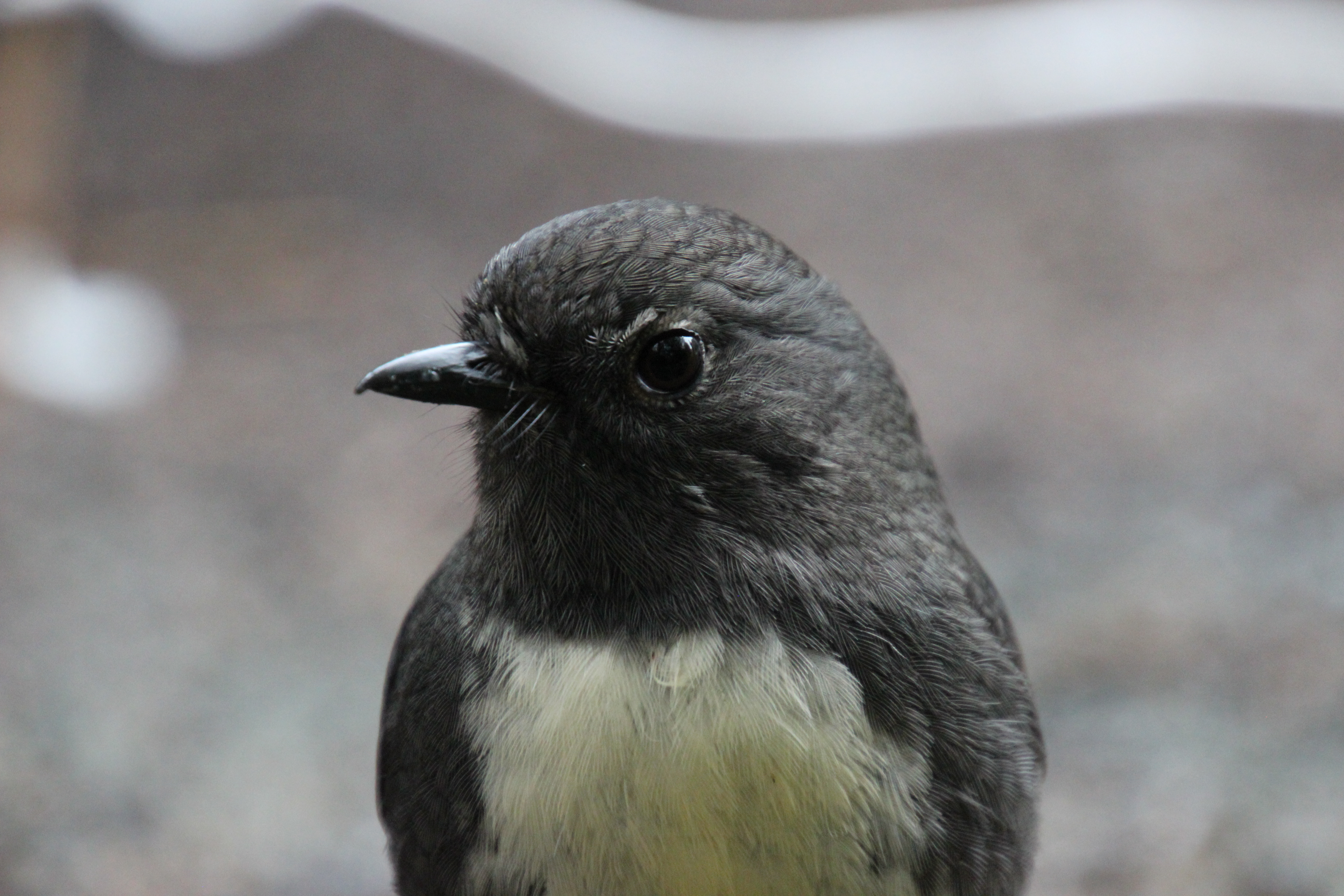
"Focusing on kakaruai (South Island robins) released at Orokonui Ecosanctuary in 2010, we followed the birds over several years to see whether they were moving beyond the fence and settling elsewhere. The results are encouraging: more birds were found in more places over time, with some populations persisting across years and new areas being colonised. This suggests sanctuaries can act as “launch pads” for restoring native birdlife beyond their borders.
"This is a story many New Zealanders will connect with: community predator control efforts, backyard trapping, and large-scale projects like Predator Free 2050 are all built on the promise of bringing native wildlife back. But the study also raises an important and under-reported issue; how do we know if these efforts are actually working for the species we’re trying to save?
"The research shows that kakaruai are most likely to establish close to the sanctuary and in connected forest, meaning conservation success depends not just on killing pests, but on where and how we manage landscapes. Crucially, it demonstrates that without targeted biodiversity monitoring, we may be missing the real outcomes of millions of dollars of conservation investment.
"Monitoring species like kakaruai provides the crucial evidence needed to show whether conservation is working, or where it needs to improve. This research shows ecosanctuaries can kickstart recovery beyond their boundaries, but only if we back that up with the monitoring needed to prove real gains for native wildlife.
"The key message is simple: if we don’t measure outcomes, we can’t claim success."
Multimedia


