 Sign In



 Australia; NSW; VIC; QLD
News release
From:
Conservation of Nature’s Strongholds needed to halt biodiversity loss
Researchers argue for scaling-up area-based conservation to maintain ecological integrity
To achieve global biodiversity targets, conservationists and governments must prioritize the establishment and effective management of large, interconnected protected areas with high ecological integrity, John G. Robinson from the Wildlife Conservation Society, US, and colleagues argue in an essay publishing May 21st in the open-access journal PLOS Biology.
The Kunming–Montreal Global Biodiversity Framework (GBF), signed at the 2022 Conference of Parties to the UN Convention on Biological Diversity in Montreal, recognized the importance of protecting large areas of natural habitat to maintain the resilience and integrity of ecosystems. To halt biodiversity loss, these protected and conserved areas need to be in the right places, connected to one another, and well managed. One of the GBF targets is to protect at least 30% of the global land and ocean by 2030, known as the 30x30 target.
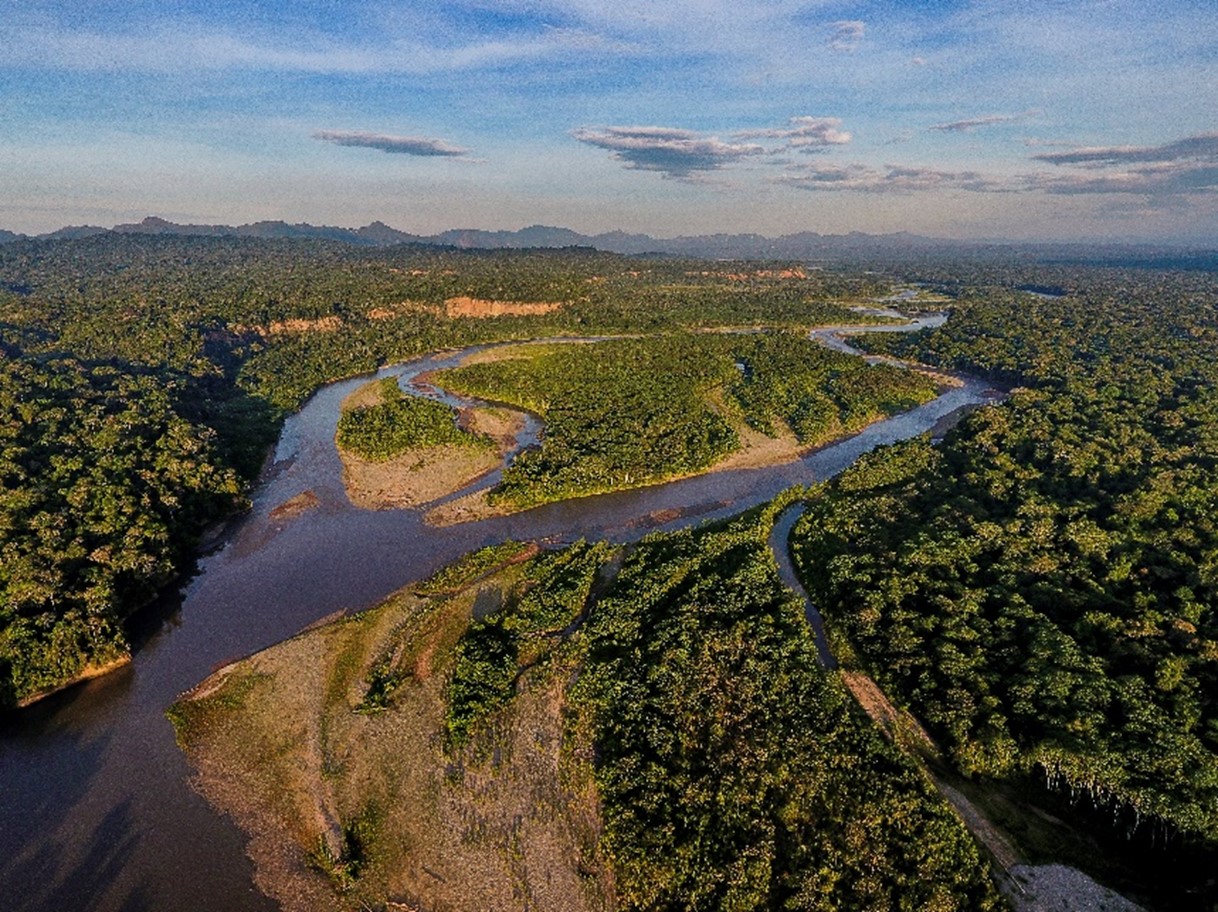
To achieve GBF targets, the authors propose prioritizing large, interconnected protected areas with high ecological integrity, that are effectively managed and equitably governed. They emphasize the importance of conserving landscapes at scales large enough to encompass functioning ecosystems and the biodiversity they contain. In many cases, this will require interconnected groups of protected areas that are managed together. Effective governance means that the diversity of stakeholders and rights holders are recognized and that the costs and benefits are shared equitably between them. The authors argue that protected and conservation areas that meet all four criteria — which they name “Nature’s Strongholds” — will be disproportionately important for biodiversity conservation. They identify examples of Nature’s Strongholds in the high-biodiversity tropical forest regions of Central Africa and the Amazon.
By applying the four criteria presented in this essay to identify Nature’s Strongholds around the world, governments and conservationists can coordinate their efforts to best address threats to biodiversity, the authors say.
The authors add, “‘Nature's Strongholds’ - large, interconnected, ecologically intact areas that are well managed and equitably governed - are identified in Amazonia and Central Africa. The approach offers an effective way to conserve biodiversity at a global scale.”
#####
Attachments
Note: Not all attachments are visible to the general public. Research URLs will go live after the embargo ends.


