 Sign In



 Australia; TAS
News release
From:
Plastic pollution in seabirds can lead to organ dysfunction, neurological decline: study shows
Plastic pollution ingested by seabirds can not only cause malnutrition but also lead to cell damage, organ dysfunction and neurological decline, new research shows.
A new study, published this week in Science Advances, analysed changes in the 745 proteins found in young seabirds with and without plastics in their stomach.
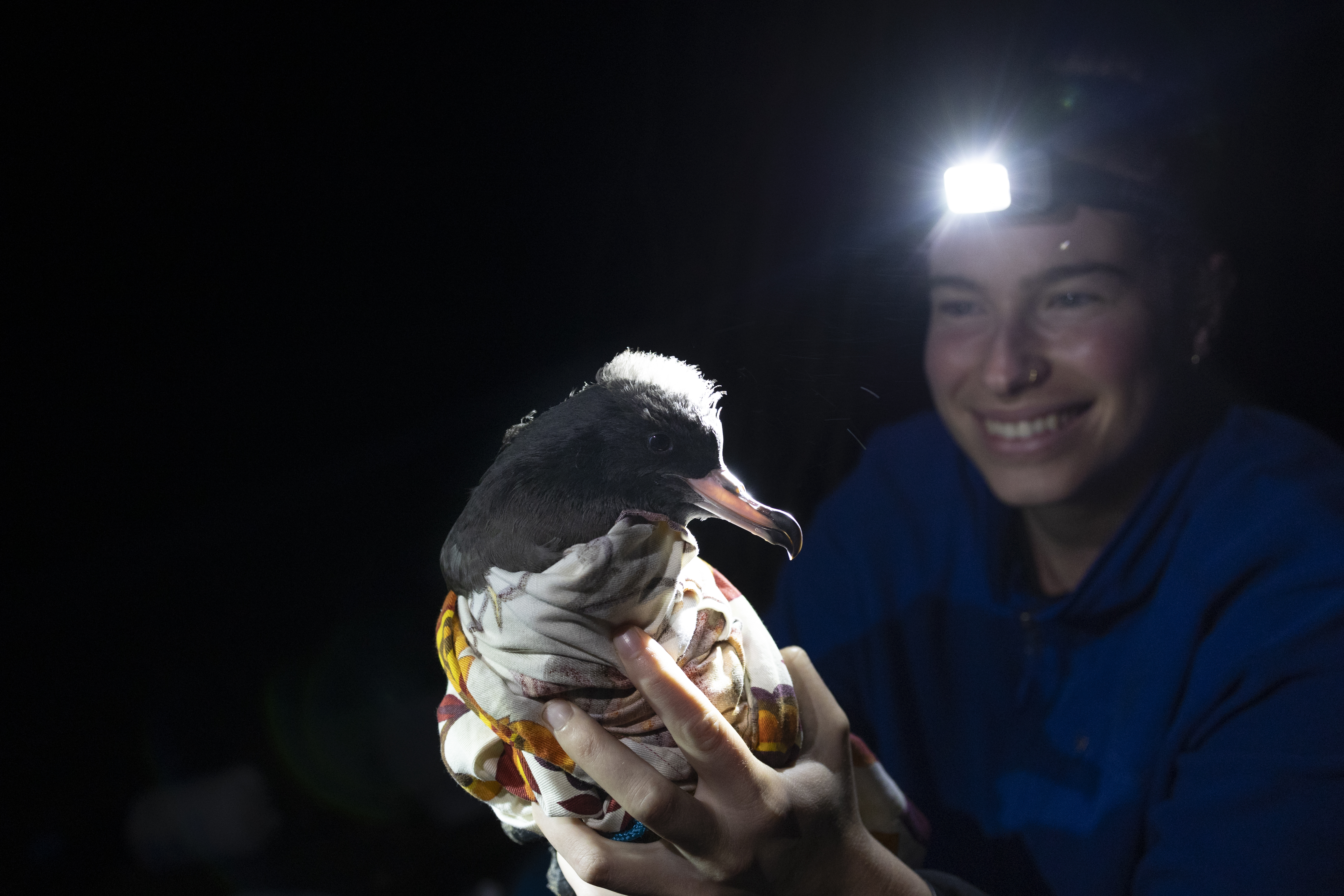
The research team studied young sable shearwaters (Ardenna carrneipes) less than 90 days old and appearing outwardly healthy.
The study found even small amounts of plastic ingested by the birds showed clear signs of cell damage, organ dysfunction and even signs of neurodegeneration.
Lead author and PhD candidate Alix de Jersey from the University of Tasmania’s School of Medicine said by utilising protein analysis on blood samples in the seabird chicks, the team found plastic ingestion is not just a digestive issue but impacts the entire body.
“Plastic ingestion research is often documented on severely emaciated wildlife showing clear signs of malnutrition,” she said.
“However, we wanted to understand the burden of living with plastic in the stomach.”
Ms de Jersey said certain proteins are well-known markers of disease and can be used to assess health and function of organs.
Unique to this study, the team utilised proteomics for analysis. Proteomics is the study of proteins and protein regulation, and the role these play in the body. While commonly used in the medical field and other disciplines, omic technologies (including proteomics) are rarely applied to wildlife studies.
“By utilising protein analysis on blood samples from seabird chicks with low and high levels of plastic ingestion, we have discovered that ingesting plastic (even small amounts) disrupts multiple organs including stomach, liver, kidneys and even impacts the brain,” she said.
“Our proteomic analysis suggests that while not all birds die from plastic exposure, they have severe health issues and suffer from reduced cognitive function.”
Ms de Jersey said the study aimed to highlight the hidden, sublethal effects of plastic pollution on wildlife that are not captured by traditional health assessments.
“While plastic ingestion is often linked to starvation, emaciation or digestive blockages, this research shows that even small amounts of plastic can cause widespread physiological damage,” she said.
The study was conducted by a team of international researchers including Dr Jennifer Lavers (Charles Sturt University), Dr Jack Rivers-Auty (Tasmanian School of Medicine, University of Tasmania), Dr Alex Bond (Natural History Museum, UK), senior research fellow Dr Richard Wilson (University of Tasmania) and Professor Graeme Zosky (Menzies Institute for Medical Research, University of Tasmania).
The paper, Seabirds in crisis: plastic ingestion induces proteomic signatures of multi-organ failure and neurodegeneration, was published this week in Science Advances.
Multimedia

Attachments
Note: Not all attachments are visible to the general public. Research URLs will go live after the embargo ends.


