 Sign In



 Australia; NSW; VIC; QLD; ACT
News release
From:
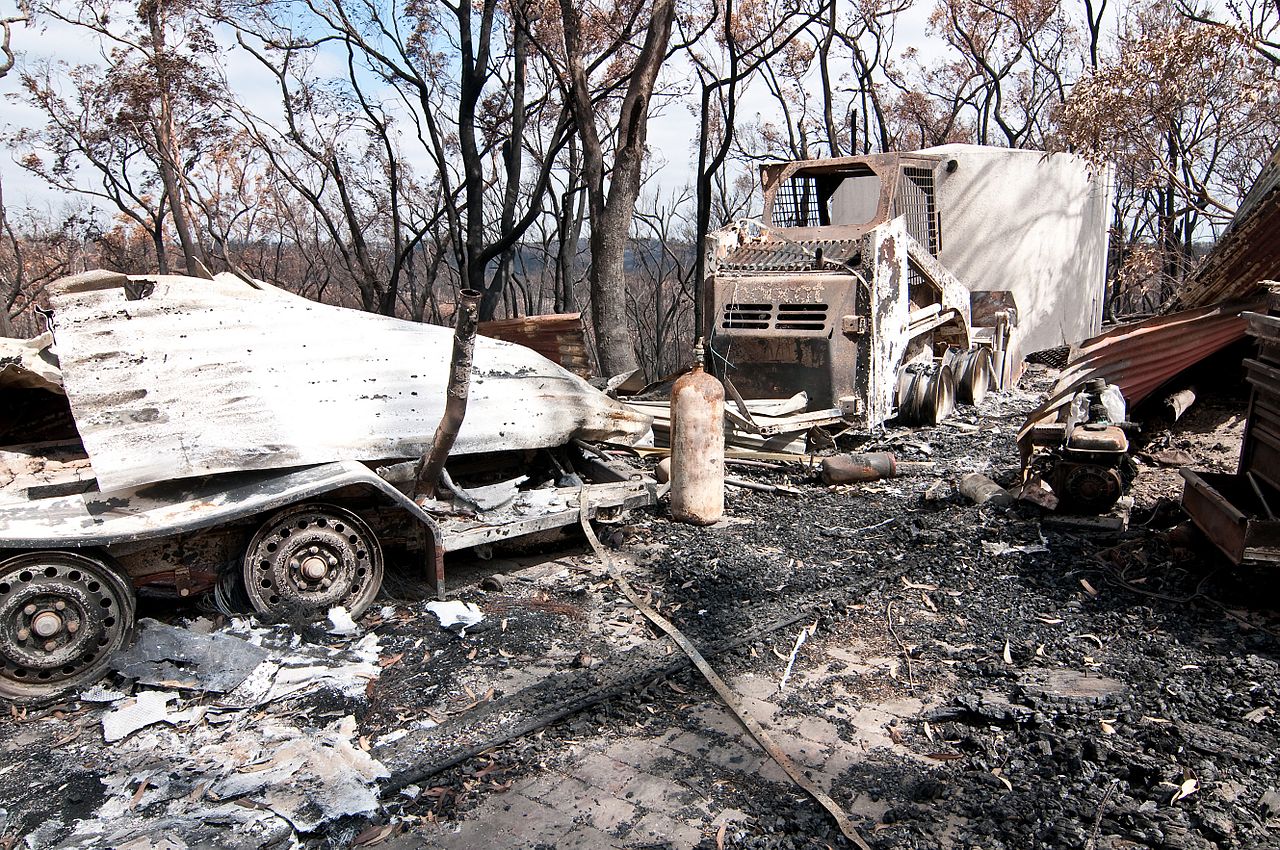
Tuesday 7th February is the eighth anniversary of Victoria's tragic Black Saturday bushfires, Australia's all-time worst bushfire disaster. So, what has science told us since then about why they burned so fiercely?
As climate and weather scientists gather in Canberra for the Australian Meteorological and Oceanographic Society (AMOS) / MSNZ Conference and ANZ Climate Forum 2017, the Black Saturday fires are just one major disaster they will be discussing.
More recently, last year was marked by another tragic event in Australia - mass bleaching of the iconic Great Barrier Reef. Estimates suggest just 7 per cent of the reef avoided any bleaching in 2015 - 2016. Scientists suspected that climate change played a role in bleaching, but how sure can we be that global warming was to blame?
And is this the sort of thing we can expect to happen every year in a world that is 1.5°C warmer? What about 2°C?
Join us for this online media briefing when experts from the conference will explain their work, and answer questions from journalists.
The briefing will discuss the following issues:
- Why were the Black Saturday bushfires so bad?
- What caused last year's mass bleaching of the Great Barrier Reef?
- If we succeed in limiting global warming to 1.5C, what will that look like?
Speakers:
- Dr Chermelle Engel is a Postdoctoral researcher at The University of Melbourne and Monash University
- Dr Sarah Perkins-Kirkpatrick is a DECRA Research Fellow at the Climate Change Research Centre, University of New South Wales
- Dr Andrew King is a Climate Extremes Research Fellow at the ARC Centre of Excellence for Climate System Science, University of Melbourne
Date: Mon 6th Feb 2017
Start Time: 10:30am AEDT
Duration: Approx 45 min
Venue: Online
Attachments
Note: Not all attachments are visible to the general public. Research URLs will go live after the embargo ends.

