 Sign In



 International
News release
From:
Neuroscience: Investigating pregnancy-related brain changes
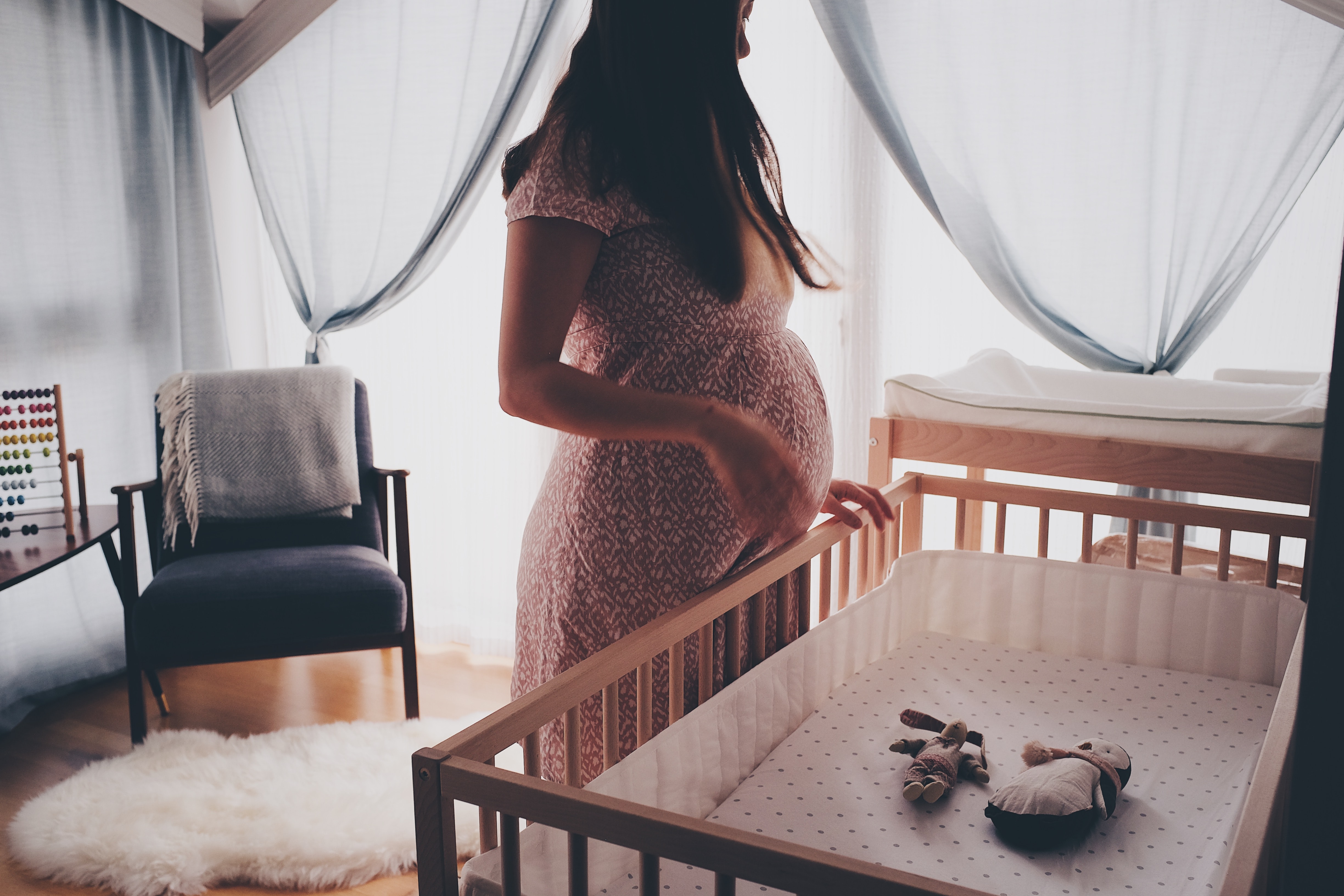
Pregnancy may cause changes to the structure and function of the mother’s brain, which are associated with maternal behaviour, suggests a study in Nature Communications. The findings suggest that these changes may contribute to maternal behaviours during pregnancy and postpartum — such as maternal-fetal bonding, nesting behaviours, physiological responsiveness to infant cues and mother-infant bonding.
Pregnancy is associated with strong hormone changes, but little is known about its effects on neural structure and function in humans.
To investigate how pregnancy may lead to changes in the brain, Elseline Hoekzema and colleagues examined 40 women before pregnancy, during pregnancy, post-partum, and then one-year post-partum in 28 of those women. They found increased functional connectivity in the Default Mode Network (DMN, a group of interconnected brain regions that are most active when the mother is at rest) associated with pregnancy, which returned to baseline levels at one-year post-partum. Additionally, the authors found an association between DMN functional activity during pregnancy and measures of mother-infant bonding in the late post-partum stage. The authors also confirmed previously observed changes in the grey matter volume of the DMN during pregnancy. These changes are correlated with pregnancy hormone levels. Changes in white matter structure were not observed during pregnancy.
The findings suggest that pregnancy is associated with specific changes to brain structure and function in the DMN. A potential relationship between this network and maternal behaviours in pregnancy and the postpartum period was also found. However, it should be noted that these findings are correlational and a causal link between brain changes and bonding cannot be concluded.

