 Sign In



 Australia; International; NSW
News release
From:
Cyclones “supercharged” by marine heatwaves cause more billion-dollar disasters than unenhanced ones
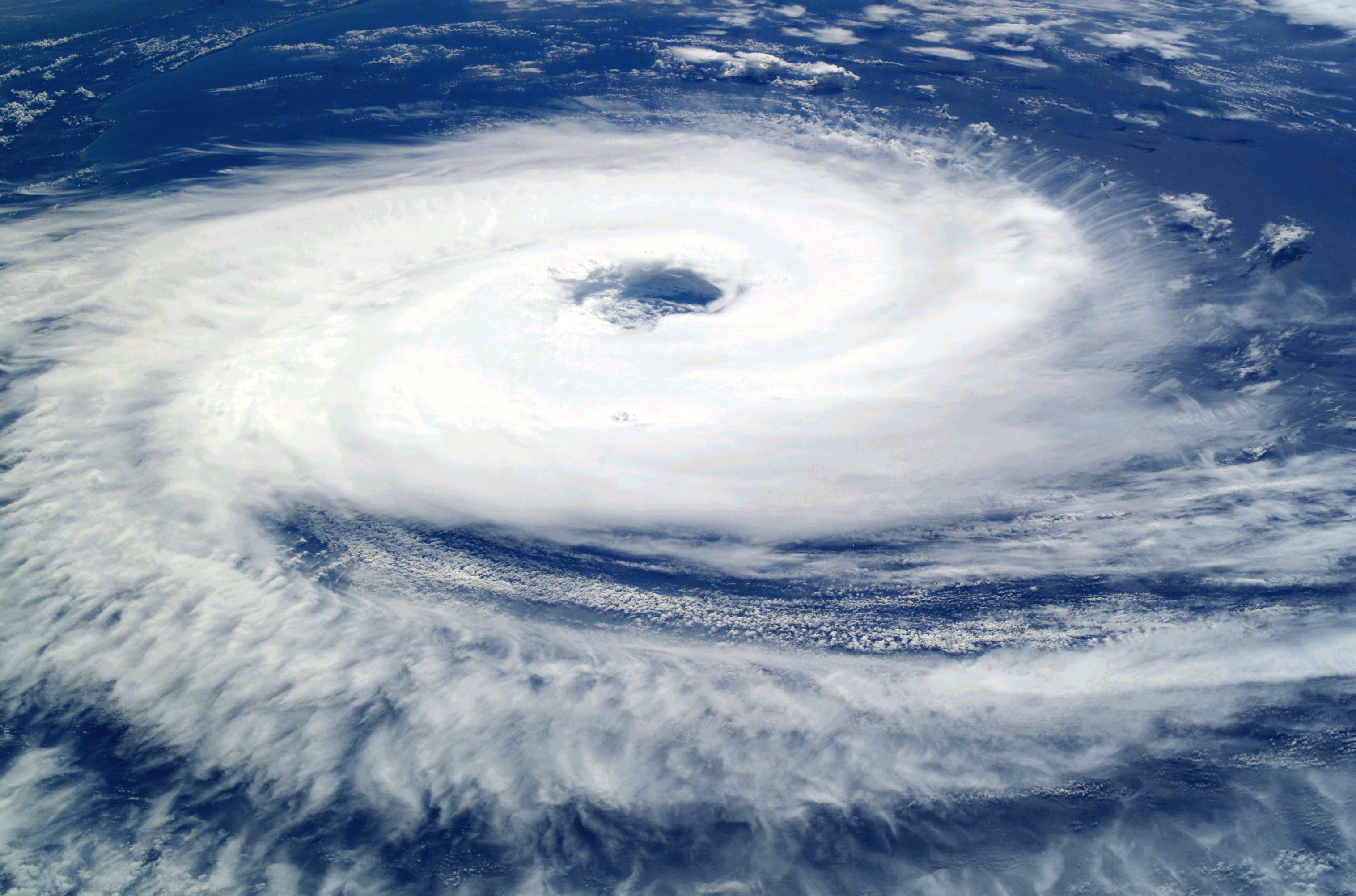
Marine heatwaves can “supercharge” tropical cyclones during their rapid intensification before landfall, new research explains. Between 1981 and 2023, these supercharged storms caused 60% more billion-dollar disasters than cyclones free from the influence of marine heatwaves, the study finds. More and more tropical cyclones are experiencing a phenomenon known as rapid intensification – where wind speed rises by at least 30 knots in 24 hours – which comes with devastating consequences for human health and infrastructure at landfall. Scientists posit that the increasing number of intensified cyclones may be related to the growing pervasiveness of marine heatwaves. Here, Soheil Radfar and colleagues examined 41 years (from late 1981 to late 2023) of global records of daily sea surface temperatures alongside a global database of landfalling cyclones. They found that cyclone exposure to marine heatwaves correlated with a higher probability of rapid intensification. For example, rapid intensification was 50% more likely for marine heatwave-exposed tropical cyclones in the northwestern Caribbean Sea and the Gulf of Mexico. Next, Radfar et al. examined how this relationship impacted landfall damages. “The occurrence of billion-dollar [tropical cyclones] is approximately 1.6 times as frequent when [marine heatwaves] are present,” the authors write. These damages come from higher maximum wind speeds, precipitation rates, and storm surges.

