 Sign In



 New Zealand
News release
From:
Māori scientists face the double challenge of undertaking innovative research while also being expected to raise the cultural capacity of their organisations and the science system.
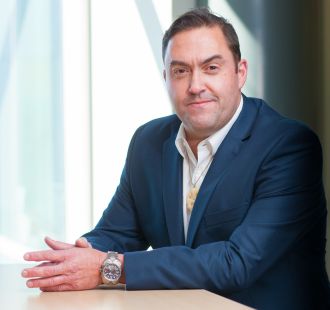
New AUT research explores the role of cultural identity for Māori scientists – but the study's author, Professor Jarrod Haar (AUT Business School), says the findings can be extrapolated beyond this cohort, to many of New Zealand's organisations, businesses and agencies.
Funded by the Science for Technological Innovation (SfTI) National Science Challenge, "He Aronga Takirua: Cultural Double Shift of Māori Scientists" finds that cultural identity can perversely act as a disadvantage for indigenous employees, leading to critical issues around workload and pressures.
That is because Māori researchers often have the experience of trying to explain to others how to work with Māori and Māori communities. Additionally, there is often a push to explain to whānau, iwi and hapū what the science sector is trying to achieve. While many Māori scientists find this kind of engagement rewarding, ultimately, it takes time away from other job priorities.
Professor Haar says the research builds on existing themes that lead to burnout for cultural minorities in the workplace. While this study is based on Māori currently working within our national science system, the challenges described by Maori scientists are likely to be experienced by all kinds of Maori employees in New Zealand.
"The study highlights the complicated reality for Māori scholars, who spend a large proportion of their time helping their non-Māori colleagues understand how to engage Māori - so much so, they often don't get enough time to focus on their own science. Māori researchers are often not compensated for their time for this work building cultural capacity, so they end up doing it over, above, and at the expense of their own research," says Professor Haar.
Professor Haar says regardless of the sector or discipline, these kinds of negative experiences can disrupt the crucial pipeline of new and aspiring Māori entering the skilled workforce. He says the onus is on the organisation, not individuals, to undertake and commit to cultural engagement.
"Inclusive workplaces are no longer a 'nice to have'- they are a 'must have'. This study holds a magnifying glass to the problems that come from organisations relying on or tacitly requiring specific people to build cultural capability and engagement. Instead, it must be supported by policies and guidelines, and with the time, money and dedicated resources needed to be effective," says Professor Harr.
Multimedia

Attachments
Note: Not all attachments are visible to the general public. Research URLs will go live after the embargo ends.


