Long-term antibiotic use linked to small cognitive decline later on

Publicly released:
International
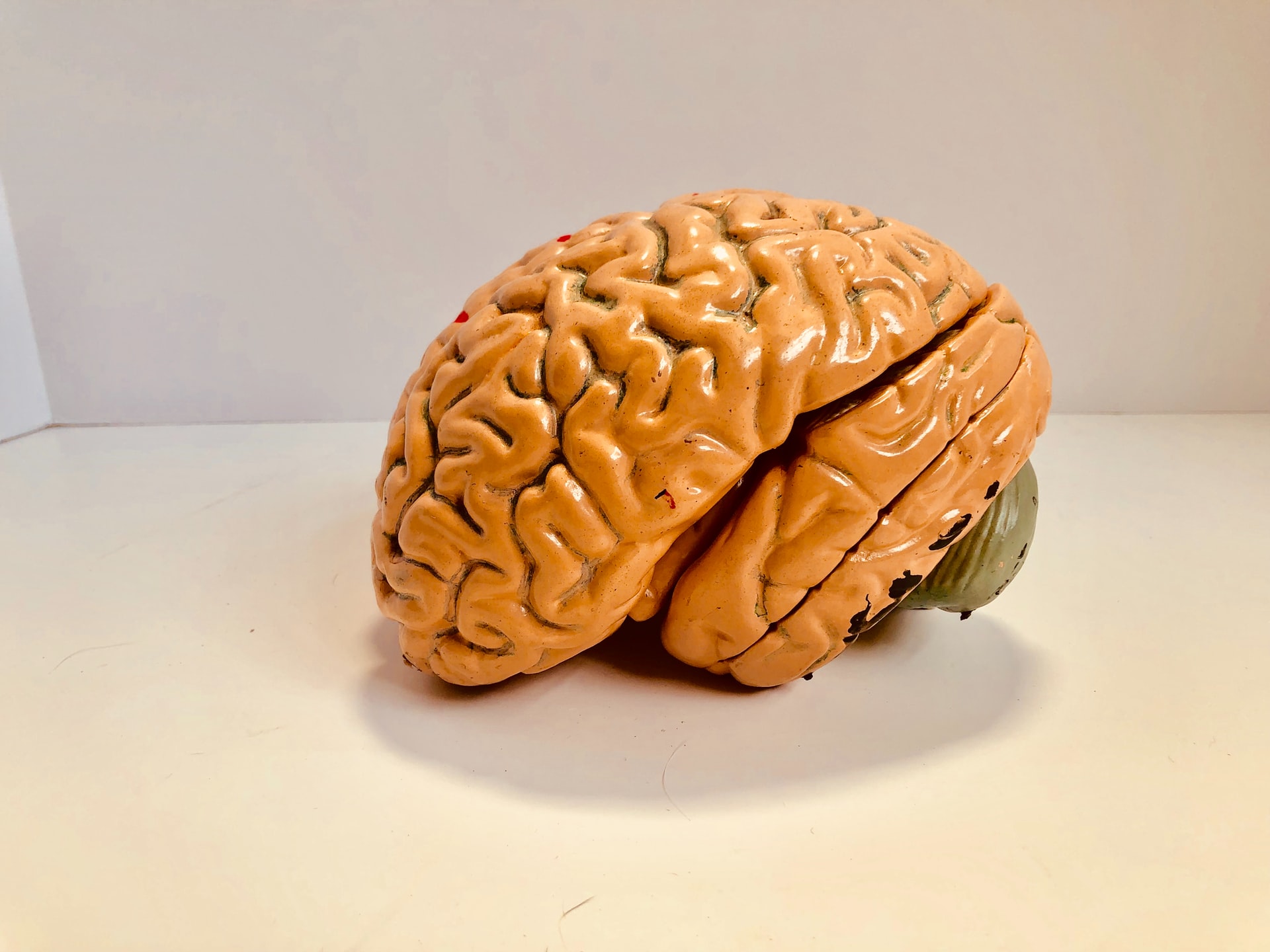
PHOTO: Natasha Connell/Unsplash

US researchers studied data from more than 14,000 women nurses, finding that those who said they took antibiotics for at least two months in midlife had a small dip in their cognitive scores when they were assessed roughly seven years later. The team says these results highlight the importance of antibiotic stewardship, and could generate more questions about the link between our gut microbiomes and cognition.

Media release

From:

Attachments

Note: Not all attachments are visible to the general public. Research URLs will go live after the embargo ends.

Research PLOS, Web page URL after publication
Journal/
conference:
PLOS One
Research:Paper
Organisation/s: Massachusetts General Hospital and Harvard Medical School, USA; Harvard T.H. Chan School of Public Health, USA; Rush Medical College, USA; Brigham and Women’s Hospital, USA
Funder: This work was supported by U.S. National Institutes of Health (NIH) grants [U01 CA176726; K23 DK125838; U01 AG062682; RF1 AG067744], Stuart and Suzanne Steele MGH Research Scholar Award to Dr Chan. The content is solely the responsibility of the authors. The funders had no role in study design, data collection, analysis, decision to publish, or manuscript preparation. Competing interests: Dr Chan served as a consultant for Bayer Pharma AG, Pfizer Inc., and Boehringer Ingelheim. Dr. Kochar served on an advisory board to Pfizer. This study was not funded by Bayer Pharma AG, Boehringer Ingelheim, or Pfizer Inc. No other conflict of interest exists. The other authors declare that they have no conflicts of interest.
Media Contact/s
Contact details are only visible to registered journalists.