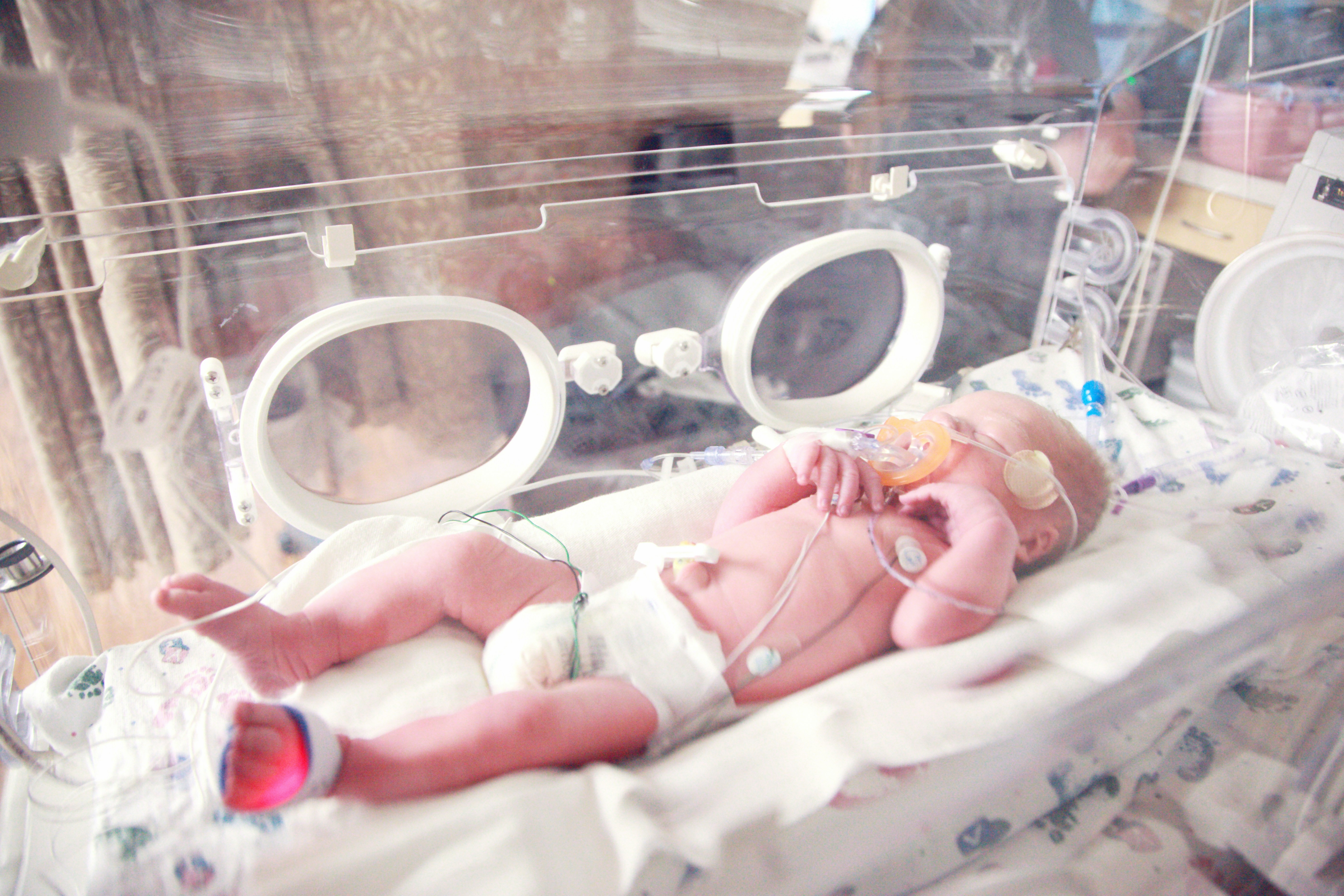
Kids born very preterm could benefit from early learning support

Publicly released:
Australia; NSW; VIC
Photo by Alexander Grey on Unsplash

Children born very premature (before 28 weeks gestation) could have poorer education outcomes, according to Aussie researchers. The team looked at over one million kids and teens in Australia, and found lower gestational age was linked to poorer numeracy and reading scores. When comparing siblings, they found clinically meaningful differences, mostly among kids aged eight to nine years old who were born very premature. For kids born from 28 to 38 weeks’ gestation, the team said links were not clinically meaningful and could mostly be explained by shared familial factors. The authors say their findings support prioritising prevention of the earliest preterm births, but when this can’t be avoided, kids born before 28 weeks could benefit from early learning support.

News release

From: JAMA

Gestational Age and Childhood Educational Outcomes in Primary and High School Years

In this cohort study of over 1 million Australian children, the independent association of gestational age at birth with educational performance was most pronounced for children born at less than 28 weeks’ gestation; for children born from 28 to 38 weeks’ gestation, differences were not clinically meaningful and were likely primarily attributable to unmeasured confounding by shared familial factors. These findings support prioritizing prevention of the earliest preterm births and suggest that children born before 28 weeks’ gestation may benefit from early identification of learning difficulties and targeted educational support.

Attachments

Note: Not all attachments are visible to the general public. Research URLs will go live after the embargo ends.

Research JAMA, Web page The URL will go live after the embargo lifts.
Journal/
conference:
JAMA Network Open
Research:Paper
Organisation/s: The University of Sydney, The University of Melbourne, The University of New South Wales
Funder: Conflict of Interest Disclosures: Dr Lindquist reported receiving grants from the National Health and Medical Research Council in Australia (NHMRC) and the Norman Beischer Medical Research Foundation; neither grant is related to this research work and neither funding body was involved in any aspect of project planning, design, or execution. Prof Tong reported receiving grants from the NHMRC during the conduct of the study. Dr Hastie reported receiving grants from the NHMRC during the conduct of the study. Dr Nassar reported receiving grants from the NHMRC and the Financial Markets Foundation for Children during the conduct of the study. No other disclosures were reported.
Media Contact/s
Contact details are only visible to registered journalists.