 Sign In



 Australia; SA
News release
From:
The AI tool, called EndoFusion, is a recent development from IMAGENDOÒ, an ongoing collaborative study led by Adelaide University researchers. In this latest study, they found the framework was able to accurately identify two major indicators of advanced endometriosis in pelvic scans, producing the results in just 18 milliseconds.
Researchers say it is a significant development, as MRI and ultrasound imaging are often better at detecting one sign of the condition over the other.
“Current scanning methods each have their own strengths when it comes to detecting two common markers that indicate the likelihood of endometriosis and patients will often only have access to one of them,” said study author Associate Professor Jodie Avery, Research Co Lead of Chronic Reproductive Conditions in the Endometriosis Research Group at Adelaide University’s Robinson Research Institute.
“This means that some patients could be disadvantaged if they are scanned by the less optimal option for their particular signs. Some of the imaging tools also rely on operator experience and can be costly.
“Our AI tool can help address these shortcomings by combining data from both imaging tools, giving the framework the knowledge it needs to detect both signs of endometriosis through a single scan more effectively and efficiently.”
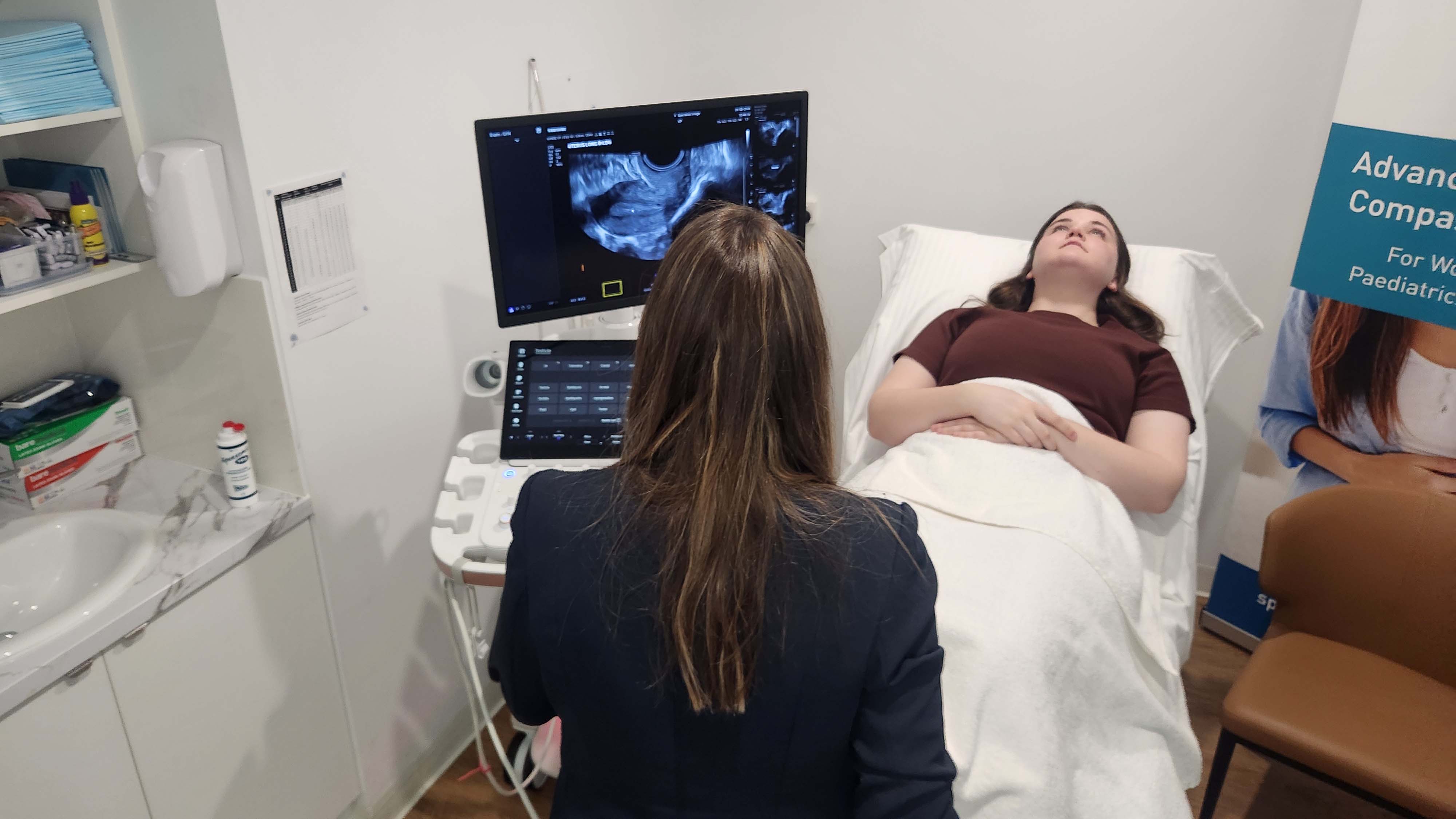
The AI framework is still in the early stages of development. It works by using information gathered from four datasets containing more than 9000 female pelvic MRI scans and more than 800 transvaginal ultrasound sliding scans.
“We looked at the how well EndoFusion was able to distinguish between positive and negative cases of endometriosis and found it was able to provide a correct diagnosis 83% of the time, which is more accurate than all competing models,” said lead author Dr Yuan Zhang from Adelaide University’s Robinson Research Institute and the Australian Institute for Machine Learning.
“This is a positive step forward and moves us closer to a future where an AI tool can help clinicians to provide a faster, more accurate diagnosis without the need for surgery.”
There are more than 190 million women worldwide who have endometriosis. The chronic condition occurs when the uterine tissue grows outside of the uterus, causing symptoms including abdominal pain, heavy periods, bloating, anxiety, fatigue and infertility.
It is notoriously difficult to diagnose and often relies on identifying lesions visually through surgery, a process which is slow, costly and risky.
“The development of accurate, non-invasive early diagnostic methods is critical to shorten the diagnostic timeline and reduce associated costs,” said Associate Professor Avery.
Researchers collaborated with Flinders University, Benson Radiology, Omni Ultrasound and Gynaecological Care, the University of Surrey, the McMaster University Medical Centre and Mohamed bin Zayed University of Artificial Intelligence (MBZUAI), with the results recently published in Artificial Intelligence in Medicine.
The next step will involve expanding the data set to include additional endometriosis markers to improve the classification accuracy of the tool.
“We envisage that clinicians will be able to use these tools to help make a determination about the presence of endometriosis from a single scan,” said Dr Zhang.
“It could also potentially provide insights for research into other disease that require the use of multi modal imaging such as gynaecological disorders, prostate and breast cancer and fetal abnormalities.”

