 Sign In



 International
News release
From:
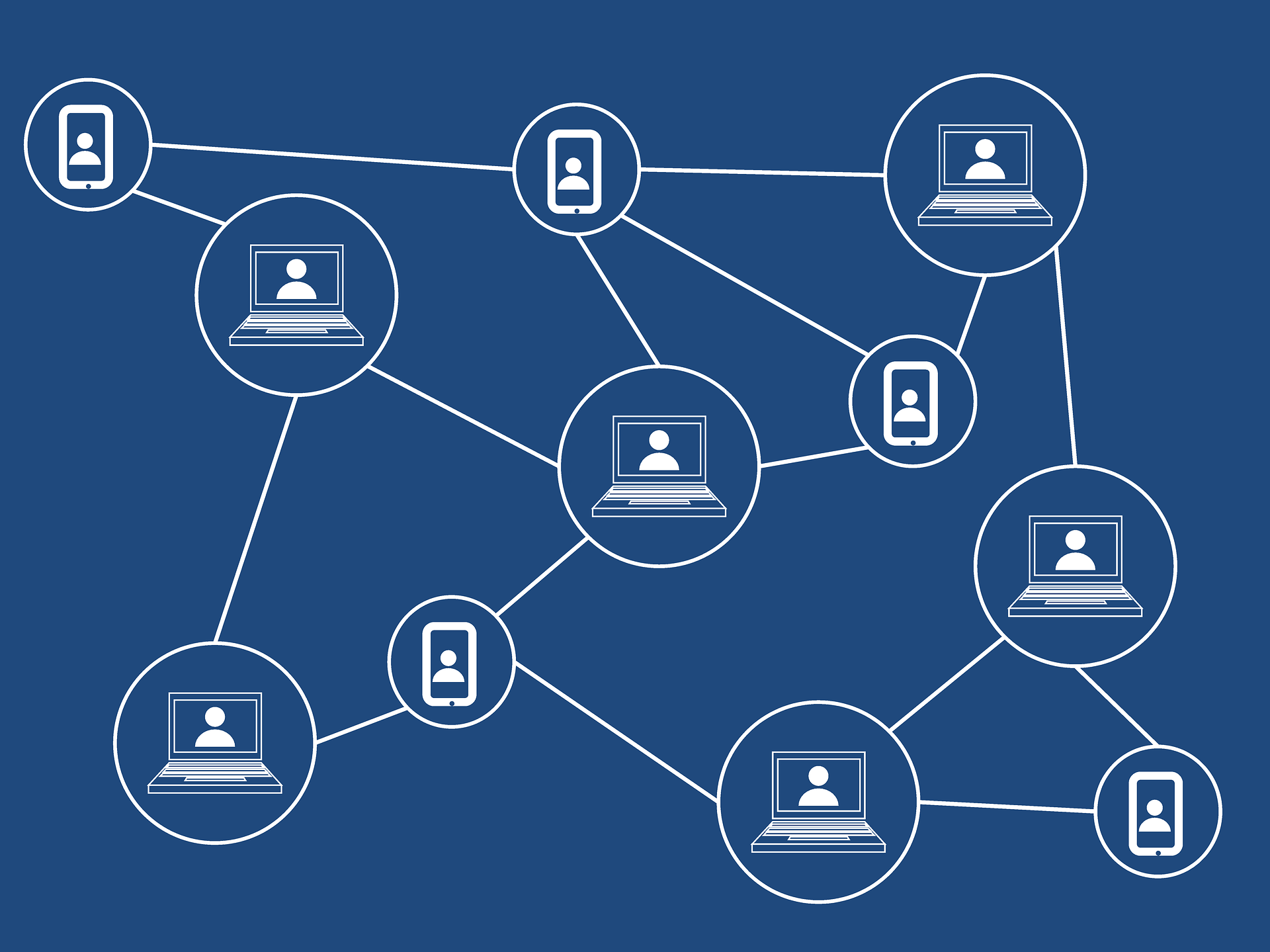
Scientists today can access genomic data from Indigenous Peoples without their free, prior, and informed consent, leading to potential misuse and the reinforcement of stereotypes. Despite existing tools that facilitate the sharing of genomic information with researchers, none of those options give Indigenous governments control over how these data are used. In an article publishing in the journal Cell on July 21, authors propose a new blockchain model where researchers are only allowed to access the genomic data after the Indigenous entities have approved the research project.
“[This model will] ensure each Indigenous Nation can control access to their members’ sensitive health information and prioritize research that is linked to community priorities,” say the authors, including senior author Keolu Fox (@KeoluFox), a genome scientist at the University of California San Diego.
“[Existing solutions] may indirectly enable the continued exploitation of Indigenous Peoples’ data in violation of Indigenous Nations’ rules and regulations,” the researchers wrote. “Innovations in digital health now focus on putting the patient and their values at the center of a collaborative design approach.”
The authors acknowledge that the framework is still in the early stages of development, and they need to consult more Indigenous leaders and communities to refine the framework to suit the specific needs of Indigenous peoples. But they believe that it is a starting point for the communities to take back control of their genomic data.
Attachments
Note: Not all attachments are visible to the general public. Research URLs will go live after the embargo ends.


