Higher levels of disinfection byproducts in water linked to higher risk of uterine cancer

Publicly released:
International
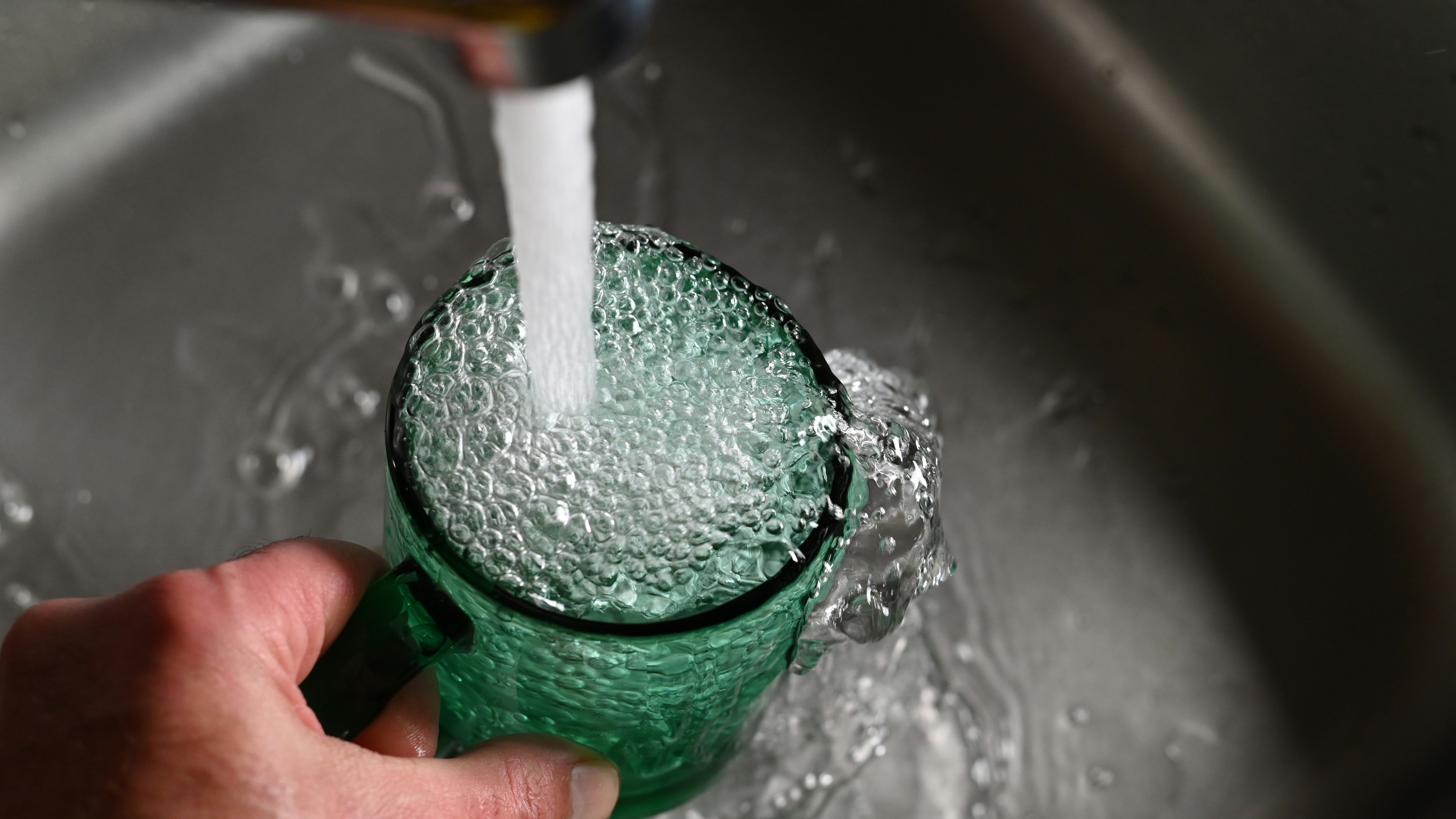
Photo by Andres Siimon on Unsplash

Higher levels of trihalomethanes - a common byproduct from disinfectants used in water treatment - may lead to higher risks of cancers and tumours of the uterus, according to US research. The study followed 53,100 female educators in California from 1995-1996 until 2020, and used data from community water systems to track nitrate, arsenic, uranium, and disinfection byproducts, including trihalomethanes and haloacetic acids - a byproduct of chlorine in our drinking water - in the water. They found that exposure to higher levels of total trihalomethanes was linked with incident uterine cancer and endometrioid tumours specifically. They also found that higher levels of total haloacetic acids were linked with nonendometrioid tumours, while no links were observed for nitrate, arsenic, or uranium.

News release

From: JAMA

Drinking Water Contaminant Exposures and Risk of Uterine Cancer

Is exposure to disinfection byproducts and inorganic contaminants in public water supplies associated with the risk of uterine cancer? In this cohort study of 53 100 female educators in California, exposure to higher levels of total trihalomethanes was associated with incident uterine cancer and endometrioid tumors specifically, with positive associations observed for some individual trihalomethanes. Higher levels of total haloacetic acids were associated with nonendometrioid tumors, while no associations were observed for nitrate, arsenic, or uranium.These findings suggest that long-term exposure to certain disinfection byproducts may increase the risk of uterine cancer.

Journal/
conference:
JAMA Network Open
Research:Paper
Organisation/s: National Cancer Institute, USA
Funder: This research was supported in part by the Intramural Research Program of the NCI Z-CP010125-28. The California Teachers Study (CTS) and the research reported in this publication were supported by NCI under award numbers U01-CA199277, P30-CA033572, P30-CA023100, UM1-CA164917, and R01-CA077398.
Media Contact/s
Contact details are only visible to registered journalists.