High-quality pollen may help honeybees resist pesticides

Publicly released:
International
PHOTO: Pixabay
PHOTO: Pixabay

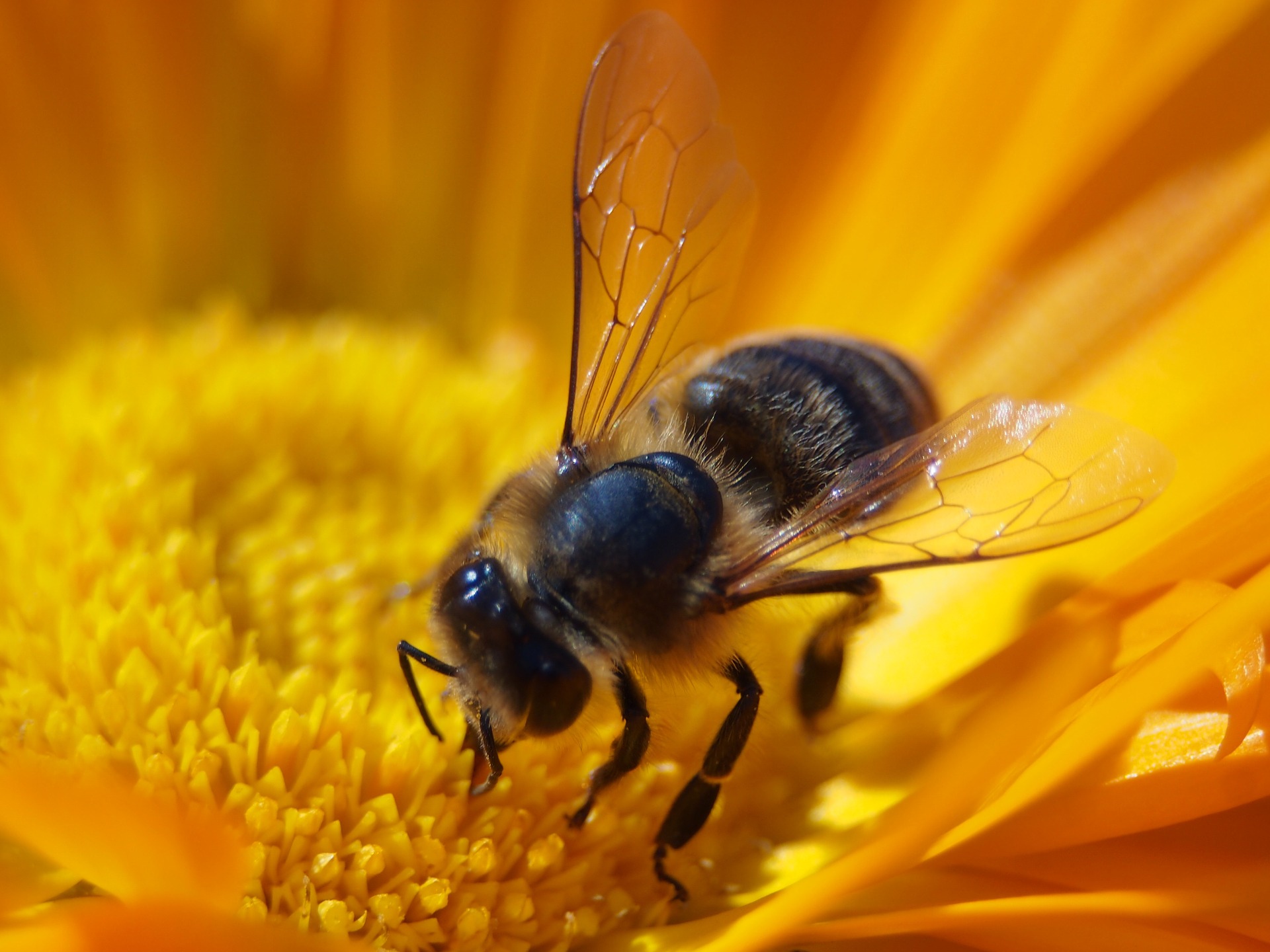
New research has found that bees fed on high-quality pollen had a significantly lower risk of death when exposed to high amounts of certain insecticides. Researchers studied just-born bees in France and fed them different kinds of pollen, as well as exposing them to different kinds of pesticides. They found pollen quality and availability influenced a bee’s ability to metabolise pesticides and withstand their effects. Agricultural ecosystems are generally less biodiverse, and the team says their research provides "another strong argument" in favour of restoring flower-abundant and diverse habitats for bee health.

News release

From: The Royal Society

We studied whether the availability and quality of pollen diets could affect the susceptibility of honeybees to pesticides. We found that both pollen availability and quality, by modifying the physiological background of bees, can improve their ability to eliminate pesticides and reduce the mortality risk that they cause. A decline in resource availability and biodiversity in agro-ecosystems might therefore impair the bee’s ability to deal with pesticides, giving another strong argument for the restoration of floral resource abundance and diversity in such habitats.

Attachments

Note: Not all attachments are visible to the general public. Research URLs will go live after the embargo ends.

Research The Royal Society, Web page URL after publication
Journal/
conference:
Royal Society Open Science
Research:Paper
Organisation/s: INRAE PACA, France; University of Mons, Belgium; Council for Agricultural Research and Economics—Agriculture and Environment Research Centre, Italy; Institute for Sustainable Plant Protection, National Research-Council, Italy; University of Bern, Switzerland
Funder: This project received funding from the European Horizon 2020 research and innovation programme under grant agreement no. 773921 (L.B., Y.L.C. and C.A.)
Media Contact/s
Contact details are only visible to registered journalists.