 Sign In



 International
News release
From:
Forest fire size may increase land warming
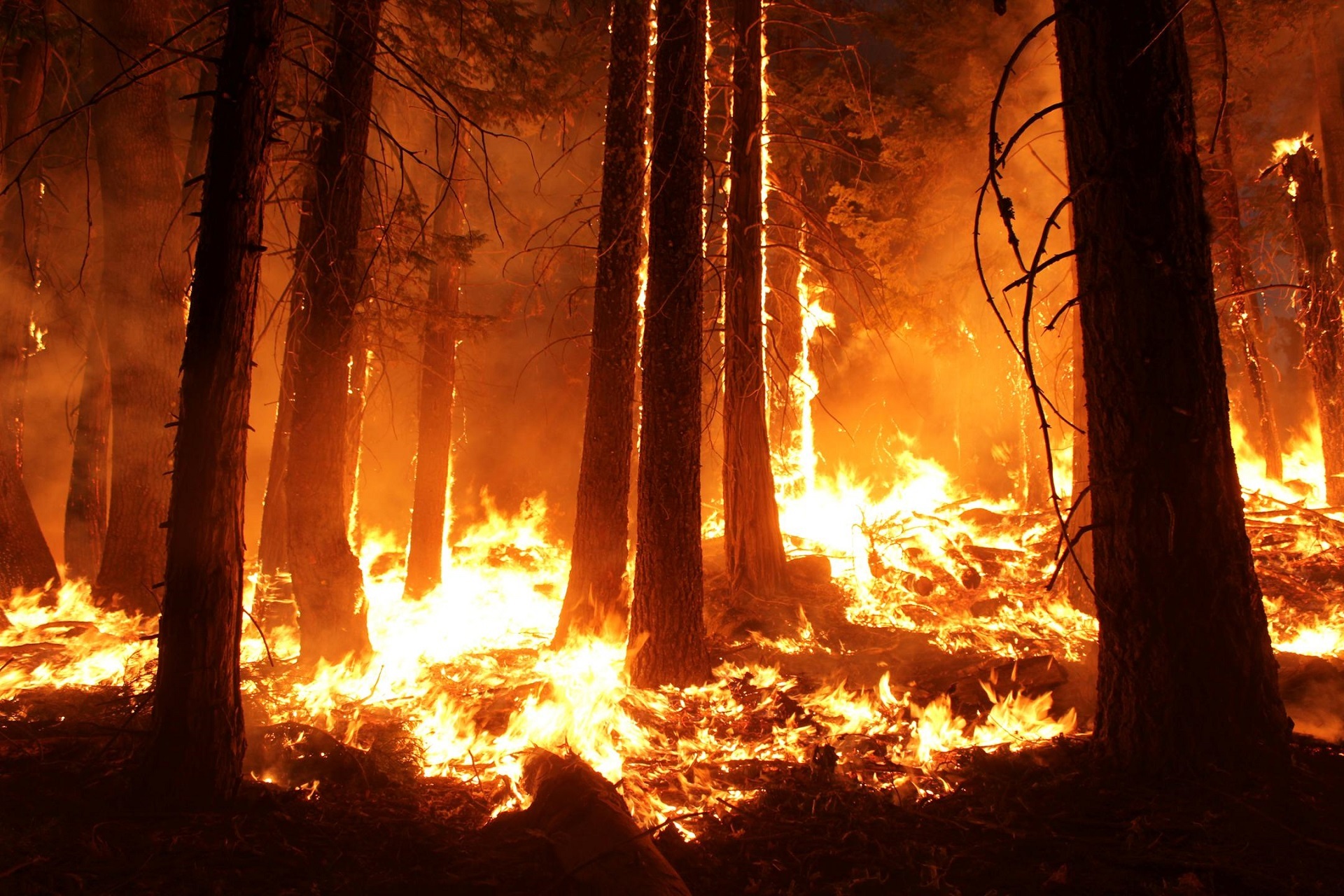
Increasing frequency and burn severity of forest fires may be increasing land surface warming, according to an analysis of over a decade of satellite data published in Nature. The findings highlight a previously overlooked factor that could affect future climate and fire dynamics.
Forest fires have become more frequent and larger, with some areas like the western USA and eastern Spain experiencing fire events that have doubled or tripled in size in recent decades. Larger forest fires typically result in greater loss of vegetation, but the effects of this increase of exposed land on the climate have not yet been established.
Chao Yue and colleagues analysed satellite data of wildfire events from 2003–2016 in northern temperate and boreal forests (40° N–70° N). They found a widespread warming effect one year after fire events—which is consistent with previous research—but, through a mathematical model, calculated that fire size amplified surface warming in North America and eastern boreal Asia. The analysis revealed that evapotranspiration and surface reflectivity decreased one year following a fire event—with greater decreases following larger fires—meaning that the surface was warming by releasing less water and absorbing more incoming radiation than previous years. Meanwhile, the amplified surface warming effect was not observed in western, central, and southeastern Siberia, and eastern Europe, which contain mixed forests and forests primarily composed of deciduous broadleaf trees.
The authors note that these trees may help moderate fire vulnerability and that future fire mitigation strategies could involve increasing the number of broadleaf trees in forests to weaken post-fire surface warming. However, further research is needed to assess how broadleaf trees may help suppress surface warming in Eurasian forests.
Attachments
Note: Not all attachments are visible to the general public. Research URLs will go live after the embargo ends.


