 Sign In



 International

News release
From:
Medicine: Genetic differences may influence GLP1 treatment outcomes
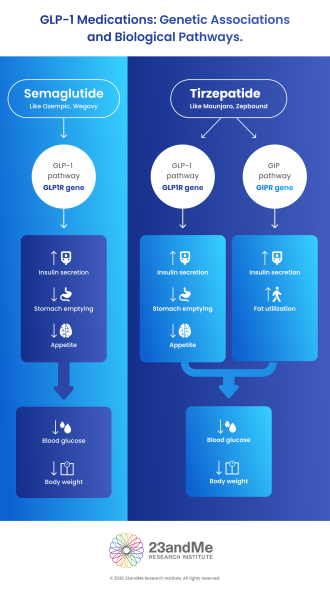
Variations in two genes involved in gut hormone pathways, which regulate appetite and digestion, may help to explain different weight-loss outcomes or side effects when taking glucagon-like peptide 1 (GLP1) medicines. The findings, published in Nature, could support future efforts to use genetic information to guide treatment choices for obesity.
GLP1 receptor agonists, including semaglutide (also known by the brand name Ozempic) and tirzepatide (also known as Mounjaro), are medicines that mimic natural gut hormones. These drugs help to regulate appetite, insulin release, and digestion, and have become widely used to treat obesity. However, the reasons why some people lose more weight than others, or why some experience side effects such as nausea or vomiting, have remained elusive.
To search for a potential genetic basis to these varied outcomes, Adam Auton and colleagues conducted genome-wide association studies using self-reported 23andMe data from 27,885 people taking GLP1 drugs. The authors found that the GLP1 receptor variant rs10305420 was associated with a slightly greater decrease in body mass index (0.641% loss), corresponding to about 0.76 kg of extra weight lost per allele in individuals who carry this variant compared with those who do not. Another variant (rs1800437, in the gastric inhibitory polypeptide receptor gene) was associated with medication-related nausea and vomiting in people taking tirzepatide but was not associated with how much weight they lost.
These findings suggest that genetic differences in the drug target genes may contribute to why people respond differently to GLP1 drugs. However, the authors note that several non-genetic factors are also strongly associated with treatment outcomes — including sex, age, and which GLP1 drug a person takes — and these remain important predictors of how much weight people lose. The effects of genetics appear modest, and further research using larger and longer-term datasets is needed to understand how genetic information could support clinical decisions in the future.
Multimedia

Attachments
Note: Not all attachments are visible to the general public. Research URLs will go live after the embargo ends.


