 Sign In



 Australia; NT
News release
From:
The number of deaths /mortality rate in Darwin from an infectious disease found mostly in the tropics, melioidosis, has decreased from 31 to six per cent in the last 30 years a new paper published in The Lancet Infectious Diseases Journal has found.
Melioidosis is a potentially life-threatening disease caused by the soil-dwelling bacterium, Burkholderia pseudomallei (B. pseudomallei). The Darwin Prospective Melioidosis Study (DPMS) highlights the concept that B. pseudomallei is an opportunistic pathogen, meaning it causes serious illness in those with underlying health problems, while healthy people should not die if diagnosed and treated early.
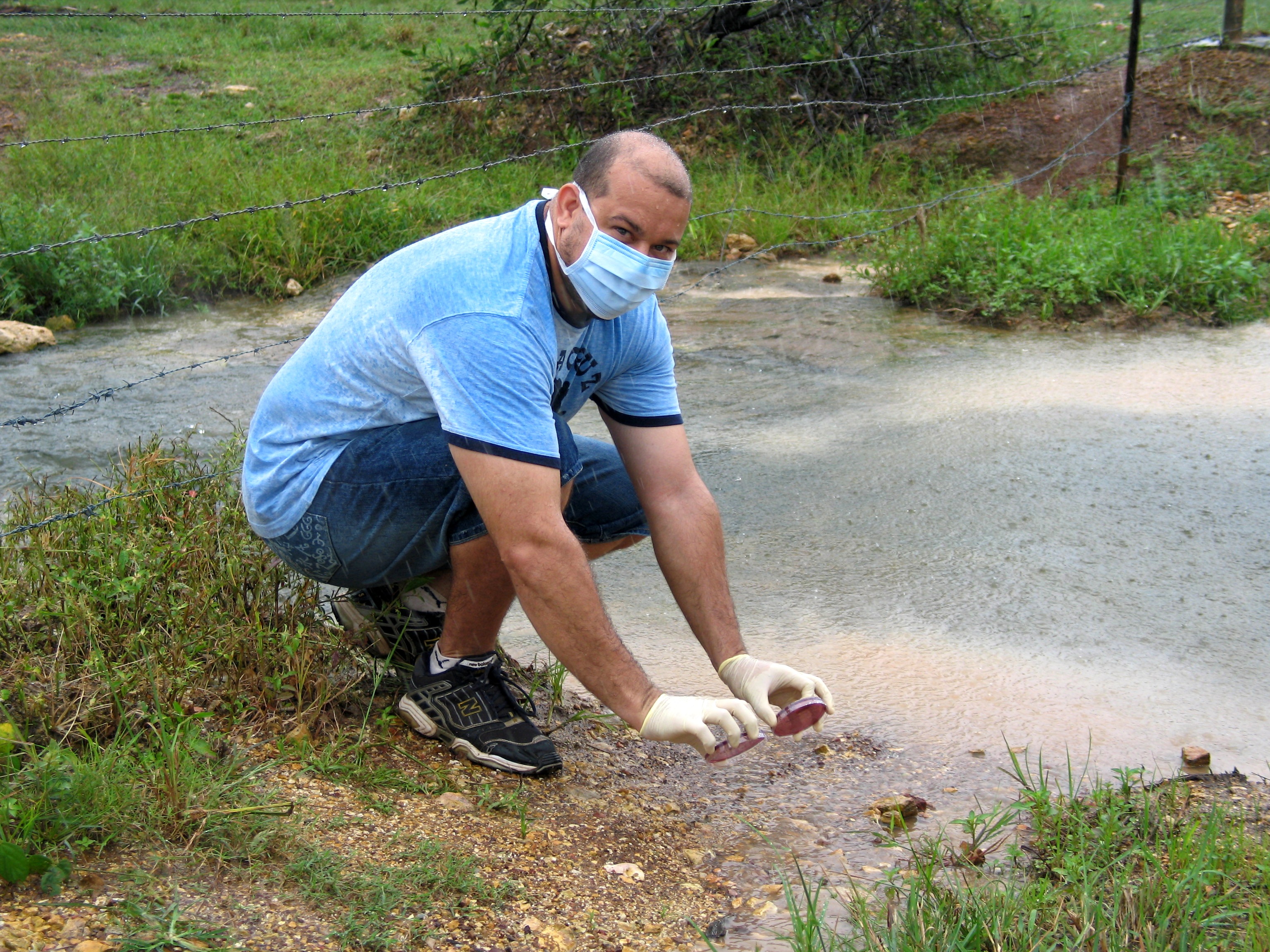
Melioidosis is a common cause of serious pneumonia and blood poisoning in the Northern Territory (NT), Australia. The bacteria live below the soil's surface during the dry season, but after heavy rainfall proliferate and are found in surface water and mud. The Darwin study also provides evidence that the bacteria can become airborne during monsoonal weather events and cause melioidosis through inhalation.
Lead author Professor Bart Currie from Menzies School of Health Research (Menzies) and Royal Darwin Hospital (RDH) says the 30-year DPMS shows the importance of recognising diabetes and hazardous alcohol use as major risk factors for the severity of melioidosis, but also at risk are those on immune suppressing therapy including cancer patients.
“With early diagnosis and best antibiotics and ICU treatment, healthy people should not die from melioidosis,” Prof Currie said.
“This is what the RDH microbiology laboratory, Infectious Diseases Department and ICU have learnt and the 2020 Darwin melioidosis treatment guideline is now used internationally, for instance in the USA with recent cases of melioidosis.
“Analysis of our 30 years of cases and links to weather also provides consistent evidence that global warming is likely to increase the risk of melioidosis in the future and expand the boundaries southward.
“With colleagues in Australia and overseas, we also have found that there are unexpected instances of melioidosis outside the tropics and more work is needed to understand these occurrences.”
Menzies collaborations on the genetics of the bacteria have shown that B. pseudomallei originated right here in Australia and then spread to Asia, then to Africa and then more recently to the Americas.
“There is much more work to be done as even in the Darwin study we have found "Asian" strains that have entered Australia in recent decades, but how and from where specifically we don't yet know.
“Similar recent findings of a cluster of three cases of “imported” melioidosis in the USA shows how important it is for there to be a “global” view on melioidosis and for international collaborations to share findings and data to better understand this enigmatic infectious disease,” said Prof Currie.
Read the full paper in The Lancet Infectious Diseases Journal here: http://www.thelancet.com/journals/laninf/article/PIIS1473-3099(21)00022-0/fulltext

