 Sign In



 Australia; NSW
News release
From:
Research led by a University of Sydney medical student could enable earlier and more accurate diagnosis of behavioural variant frontotemporal dementia – one of the most commonly misdiagnosed forms of early-onset dementia, which can begin as early as a person’s late 40s and is often mistaken for a psychiatric condition.
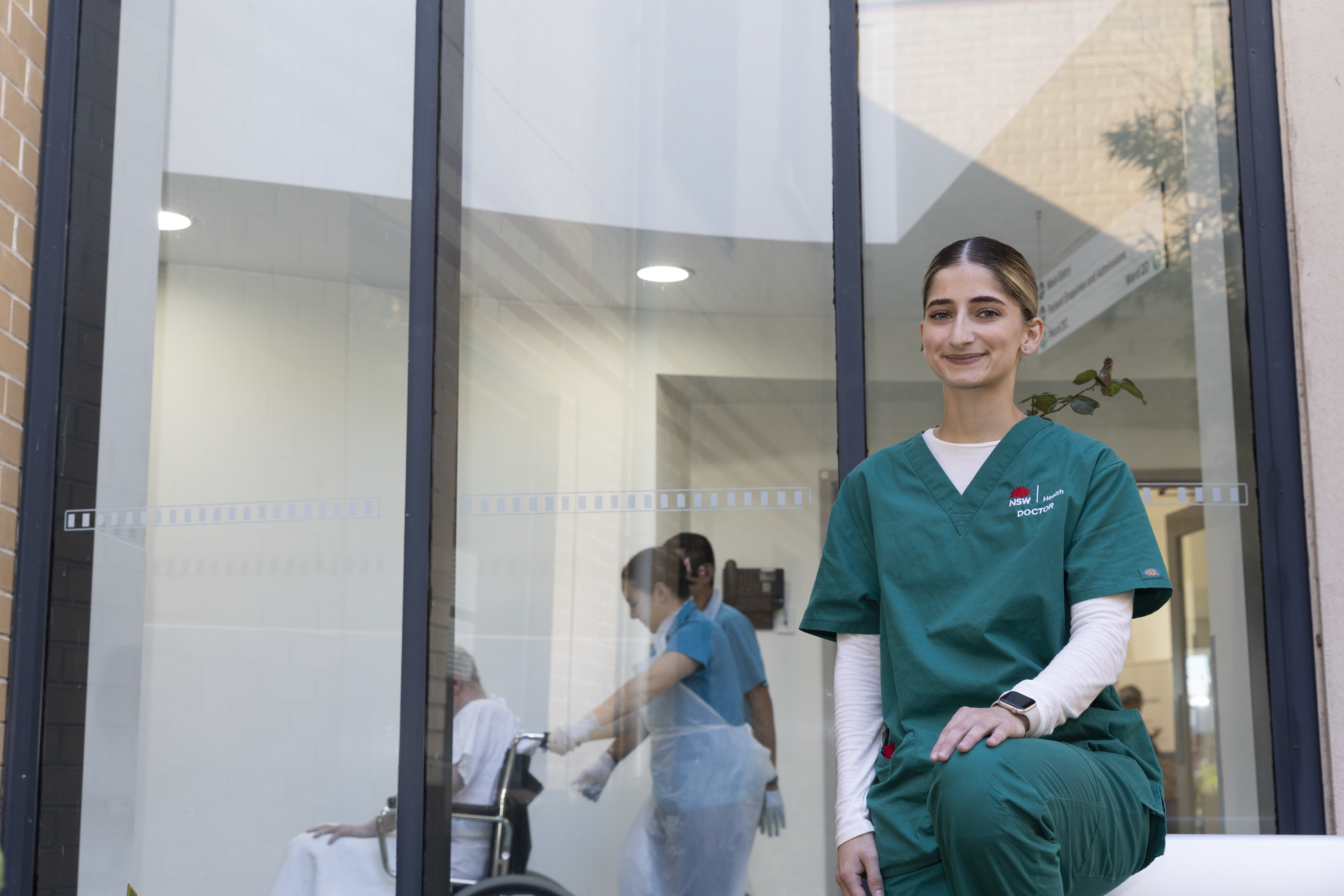
Published in Alzheimer’s & Dementia: Diagnosis, Assessment, & Disease Monitoring, the study was led by Doctor of Medicine graduate Dr Chloe Beydoun, now a clinical intern at Bankstown-Lidcombe Hospital, while undertaking her degree in Sydney Medical School.
The study examined how visual rating scales – structured guides that help clinicians assess specific brain regions for signs of atrophy on MRI scans – can be used in routine clinical practice. While these scales have existed in dementia research for years, they are not widely used in everyday diagnostic settings.
“Earlier diagnosis can make an enormous difference for patients and families living with behavioural variant frontotemporal dementia,” said Dr Beydoun.
“Using structured visual rating scales could help clinicians identify the condition more consistently in routine care, particularly for younger patients whose symptoms are often mistaken for psychiatric illness.”
From student project to published research
The study began as a student placement research project, where Dr Beydoun was trained to assess routine MRI scans using these visual rating scales for brain atrophy.
With the support of her supervisor Associate Professor Ramon Landin-Romero it soon became clear the project had the potential to improve how the condition is diagnosed.
Working alongside Dr Jessica Hazelton, Research Fellow at the Brain and Mind Centre, Dr Beydoun went on to lead the study’s analysis, draft the manuscript and navigate multiple rounds of peer review, earning first authorship while completing medical school.
The research found that applying the scales in clinical assessments could help clinicians more reliably identify patterns of brain atrophy linked to the disease, improving diagnostic confidence, supporting earlier diagnosis, providing earlier clarity for patients and better predicting how the disease will progress.
The findings show this simple, standardised approach could help reduce variability in how brain scans are interpreted, offering clinicians a clearer framework for diagnosing and monitoring the condition using imaging already collected in routine care.
Why early-onset dementia is often misdiagnosed
Behavioural variant frontotemporal dementia is a neurodegenerative disease that typically affects people in midlife and presents through changes in behaviour and personality rather than memory loss.
Because these symptoms can resemble depression, anxiety or other mental health conditions, studies suggest 50 to 70 percent of people with the condition may initially be misdiagnosed with a psychiatric disorder, often delaying diagnosis by four to five years.
“People with behavioural variant frontotemporal dementia can become apathetic, disinhibited, and show emotional changes that can look similar to psychiatric illness,” said Associate Professor Landin-Romero, a clinical neuropsychologist at the Frontier Frontotemporal Dementia Clinic, part of the Brain and Mind Centre.
“Many are told they’re too young for a neurodegenerative disease and spend years moving between GPs, neurologists and psychiatrists. Improving diagnostic accuracy is essential to ending that long and stressful journey.”
He said the next step is encouraging broader clinical use of these tools through training and greater awareness.
“These visual rating scales are already available; what’s missing is consistent use in clinical practice. With the right training, they could be incorporated into routine assessment to support more reliable and comparable diagnoses.”
Student research with real-world clinical impact
“Chloe approached this research project with curiosity and determination, resulting in a published paper with clear clinical relevance. It shows what’s possible when students are given meaningful research opportunities and strong mentorship,” said co-author Dr Hazelton.
Now working as a clinical intern, Dr Beydoun said the experience continues to shape how she cares for patients.
“I understood the burden of dementia, but this project deepened my appreciation of how difficult diagnosis is,” she said.
“Diagnosis can bring families clarity, helping people access support earlier and plan for changes to work, driving ability and income. Being part of research that can improve that, especially as a student, was incredibly meaningful.”
-ENDS-

