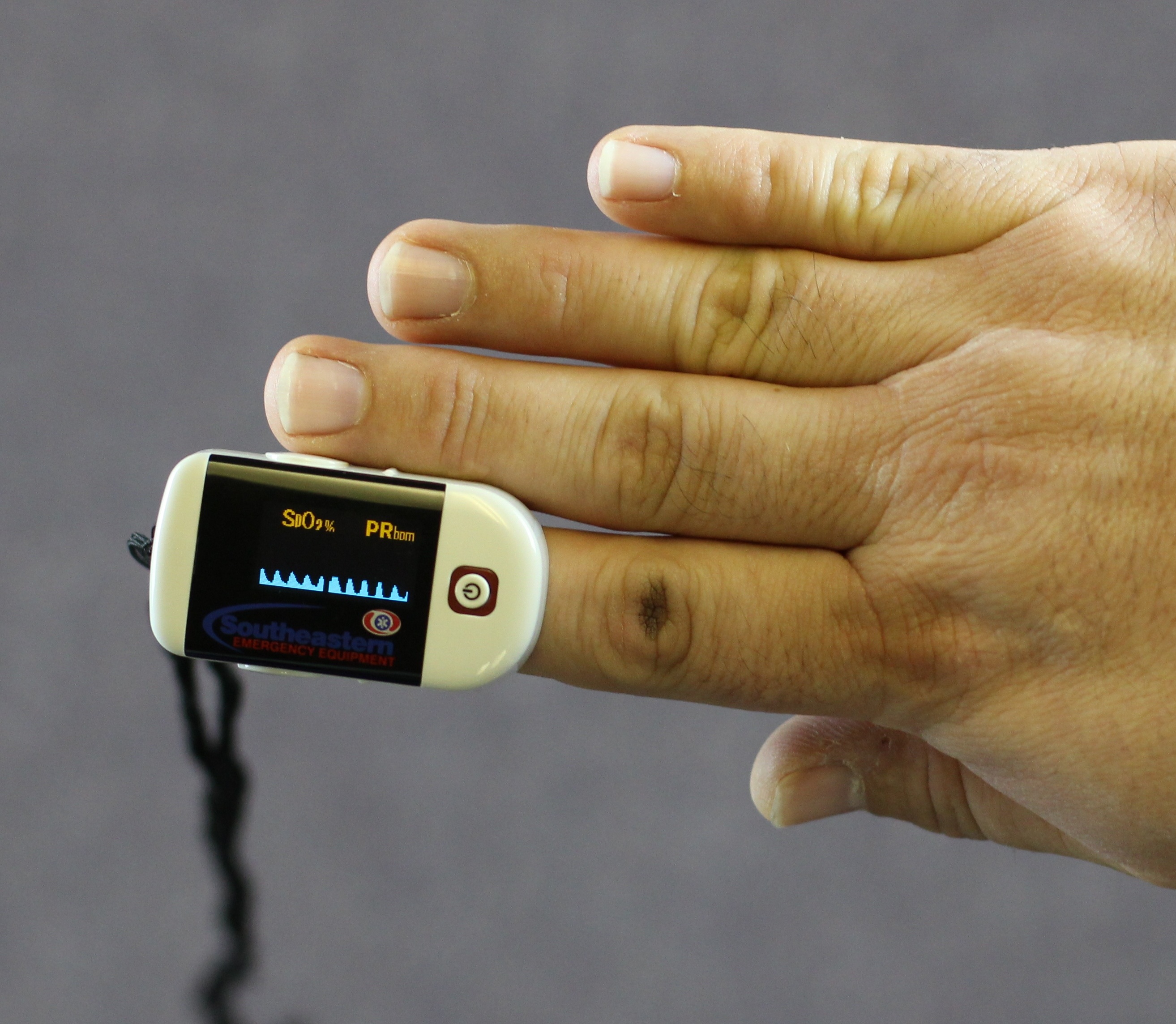
Ethnic biases in pulse oximetry may restrict timely treatment for Black and Hispanic patients

Publicly released:
International
PxHere
PxHere

Pulse oximetry guides decisions over how COVID-19 is managed and treated. US researchers looked back at the medical records of Asian, Black, Hispanic and White COVID patients, finding ethnic biases in the accuracy of pulse oximeter measurements. These biases were linked with greater “occult hypoxemia” in Asian, Black and Hispanic patients - meaning there was a disconnect between their pulse oximetry result and their actual arterial oxygen level. For Black and Hispanic patients, this in turn was associated with significantly delayed - or being denied access to - treatments, and the authors say this disparity may contribute to the worse COVID outcomes among Black and Hispanic patients.

News release

From: JAMA

About The Study: This analysis of a large clinical data set of patients with COVID-19 found significant and persistent overestimation of arterial oxygen saturation by pulse oximetry among Asian, Black and Hispanic patients compared with non-Hispanic white patients. Black and Hispanic patients were more likely to experience unrecognized and delayed recognition of eligibility to receive COVID-19 therapy.

Attachments

Note: Not all attachments are visible to the general public. Research URLs will go live after the embargo ends.

Research JAMA, Web page Public link after embargo lifts
Editorial / Opinion JAMA, Web page Linked editorial - public link after embargo lifts
Journal/
conference:
JAMA Internal Medicine
Research:Paper
Organisation/s: John Hopkins University, US; See paper for full list of author affiliations
Funder: This work was supported by funding from John Hopkins inHealth, the Johns Hopkins Precision Medicine initiative through JH-CROWN. Dr Fawzy is supported by NIH National Heart, Lung, and Blood Institute NHLBI grant K23HL151669 and the Department of Veterans Affairs, Veterans Health Administration, Office of Research and Development, Center for Innovations in Quality, Effectiveness, and Safety (CIN 13-413).(NHLBI) grant K23HL151758 and Dr Wu is supported by NIH
Media Contact/s
Contact details are only visible to registered journalists.