 Sign In



 Australia; NSW
News release
From:
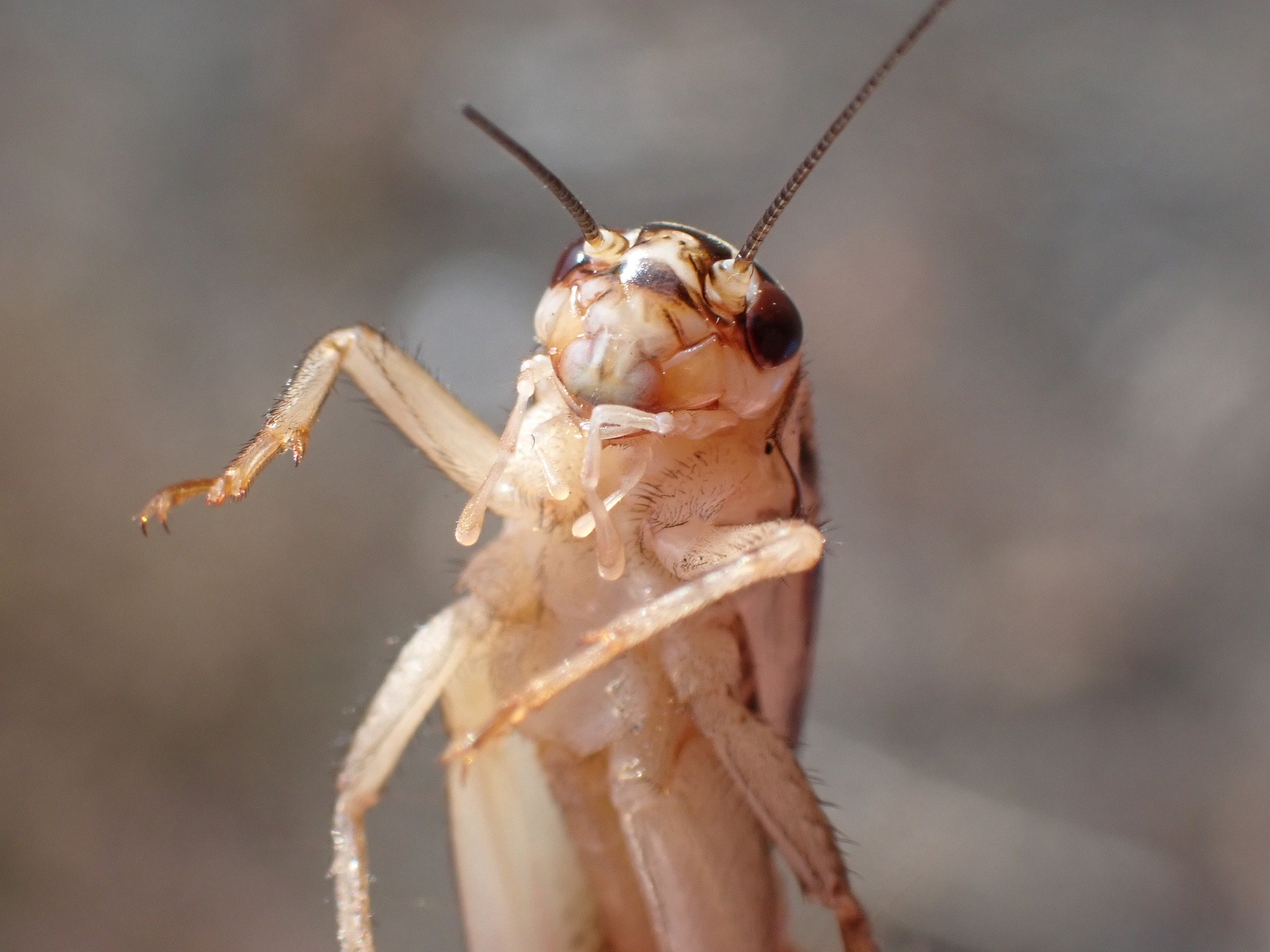
Insect pain - The house cricket, farmed worldwide for food, feed and research, may feel pain. When applying a soldering iron heated to heated to 65°C to one of their antennae, researchers found crickets were significantly more likely to groom the stimulated antenna and did so for longer, key behaviours associated with pain. These findings have direct implications for the welfare of billions of farmed insects, the authors said. Proceedings of the Royal Society B
Flexible self-protection as evidence of pain-like states in house crickets
Whether insects experience pain is one of biology's most pressing ethical frontiers. We tested house crickets (Acheta domesticus), among the most widely farmed insects on Earth, for what is thought a key behavioural hallmark of pain: flexible, site-directed self-protection. After noxious heat was applied to one antenna, crickets groomed that antenna more often and for longer than after innocuous touch or no contact, and this response was sustained over time. These findings provide the clearest evidence yet that crickets respond to injury in ways consistent with felt experience, with direct implications for the welfare of billions of farmed insects.
Attachments
Note: Not all attachments are visible to the general public. Research URLs will go live after the embargo ends.


