Diet during pregnancy linked to the baby's chance of an autism diagnosis

Publicly released:
International
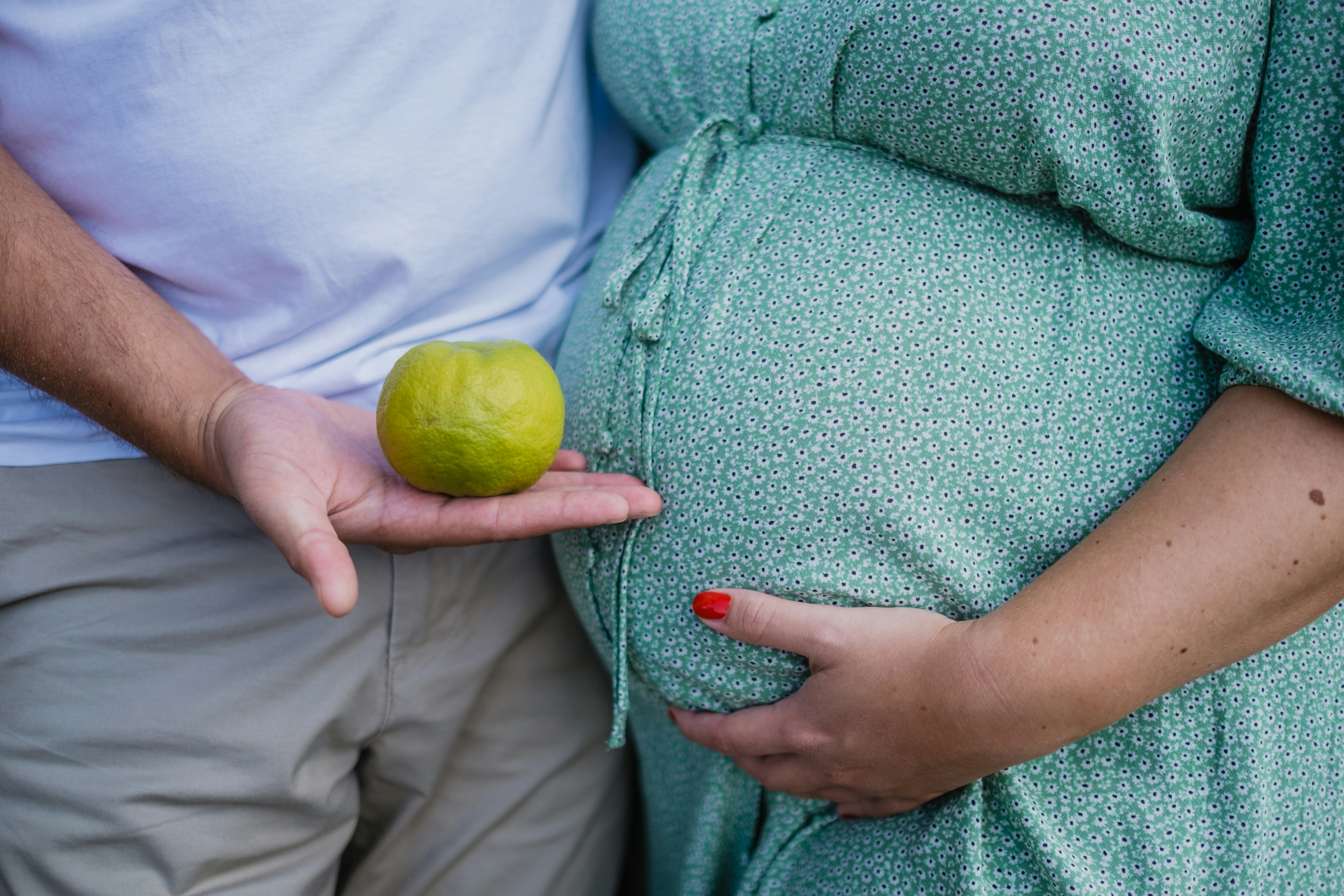
Photo by Filipp Romanovski on Unsplash

Eating a healthier diet during pregnancy is linked to a lower chance of the child being diagnosed with autism, according to international researchers. Using data from two large studies of parents and children, the team looked at food questionnaires, autism diagnoses and questionnaires about autism-associated traits for nearly 85,000 pregnancies. The team say when calculating the overall healthiness of mum's diet, those who adhered to a healthy prenatal diet were 22% less likely to have a child who would later be diagnosed with autism, and children of mothers with a healthy prenatal diet were less likely to have social communication difficulties. The researchers say their study can't say if the diet causes the lower autism risk and the results of similar previous studies have been inconsistent, but it's worth investigating why this link might be there.

News release

From: JAMA

About The Study: In this cohort study of mother-child dyads, adherence to a healthy prenatal dietary pattern was associated with a lower odds of autism diagnosis and social communication difficulties but not restrictive and repetitive behaviors. 

Attachments

Note: Not all attachments are visible to the general public. Research URLs will go live after the embargo ends.

Research JAMA, Web page The URL will go live after the embargo ends
Journal/
conference:
JAMA Network Open
Research:Paper
Organisation/s: University of Glasgow, UK
Funder: The UK Medical Research Council andWellcome Trust (grant No. 217065/Z/19/Z) and the University of Bristol provided core support for the Avon Study of Parents and Children (ALSPAC). The Norwegian Mother, Father and Child Cohort Study (MoBa) was supported by the Norwegian Ministry of Health and Care Services and the Ministry of Education and Research. This work was supported by the Medical Research Council (grant No. MC_UU_00022/2 [Dr Friel and Profs Leyland and Dundas]) and grant No. 304823-02 [Dr Friel]), the Scottish Government Chief Scientist Office (grant No. SPHSU17 [Dr Friel and Profs Leyland and Dundas]), and British Dietetic Association (grant No.19/08 [Drs Friel and Anderson and Profs Leyland and Dundas]). Dr Havdahl was supported by a career grant from the South-Eastern Norway Regional Health Authority (grant No. 2020022, 2018059).
Media Contact/s
Contact details are only visible to registered journalists.