 Sign In



Attachments
Note: Not all attachments are visible to the general public. Research URLs will go live after the embargo ends.

 International
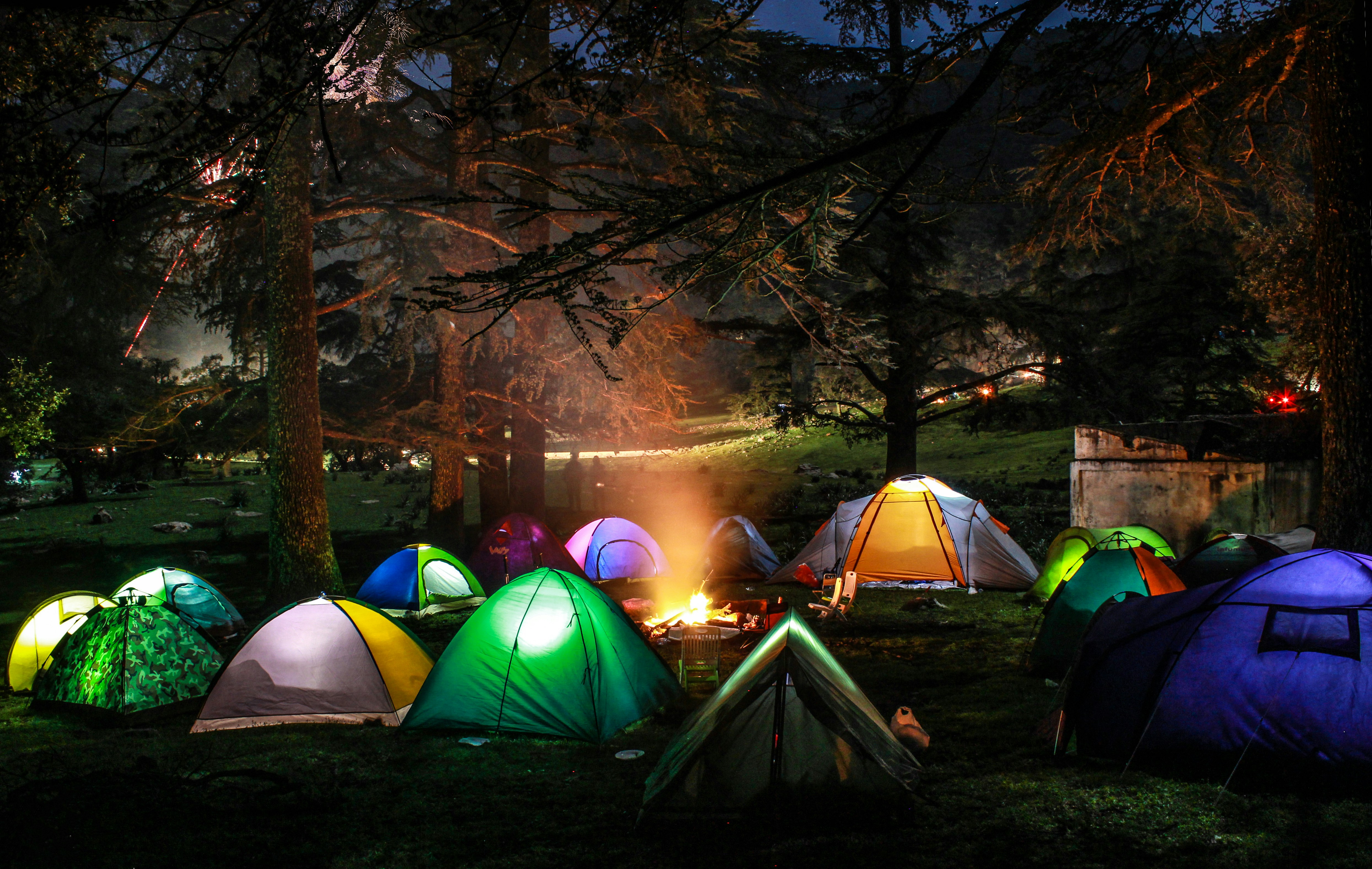
International researchers are developing a tent that can supply electricity it harnesses from the environment around it, in a project they hope could one day provide a more liveable environment for people without homes. The tent uses a phenomenon called magnetoelasticity to convert movement in the tent material caused by outside influences - including human movement, wind and rain - into energy. The researchers say this process can harness enough energy to power small electronic devices, which could allow people living off-grid or in tents as a form of temporary shelter to have a higher quality of life without relying on external power sources.
Note: Not all attachments are visible to the general public. Research URLs will go live after the embargo ends.

