 Sign In



 Australia; International; NSW; QLD
News release
From:
Debride to survive - An abundant mutualist can protect corals from multiple stressors
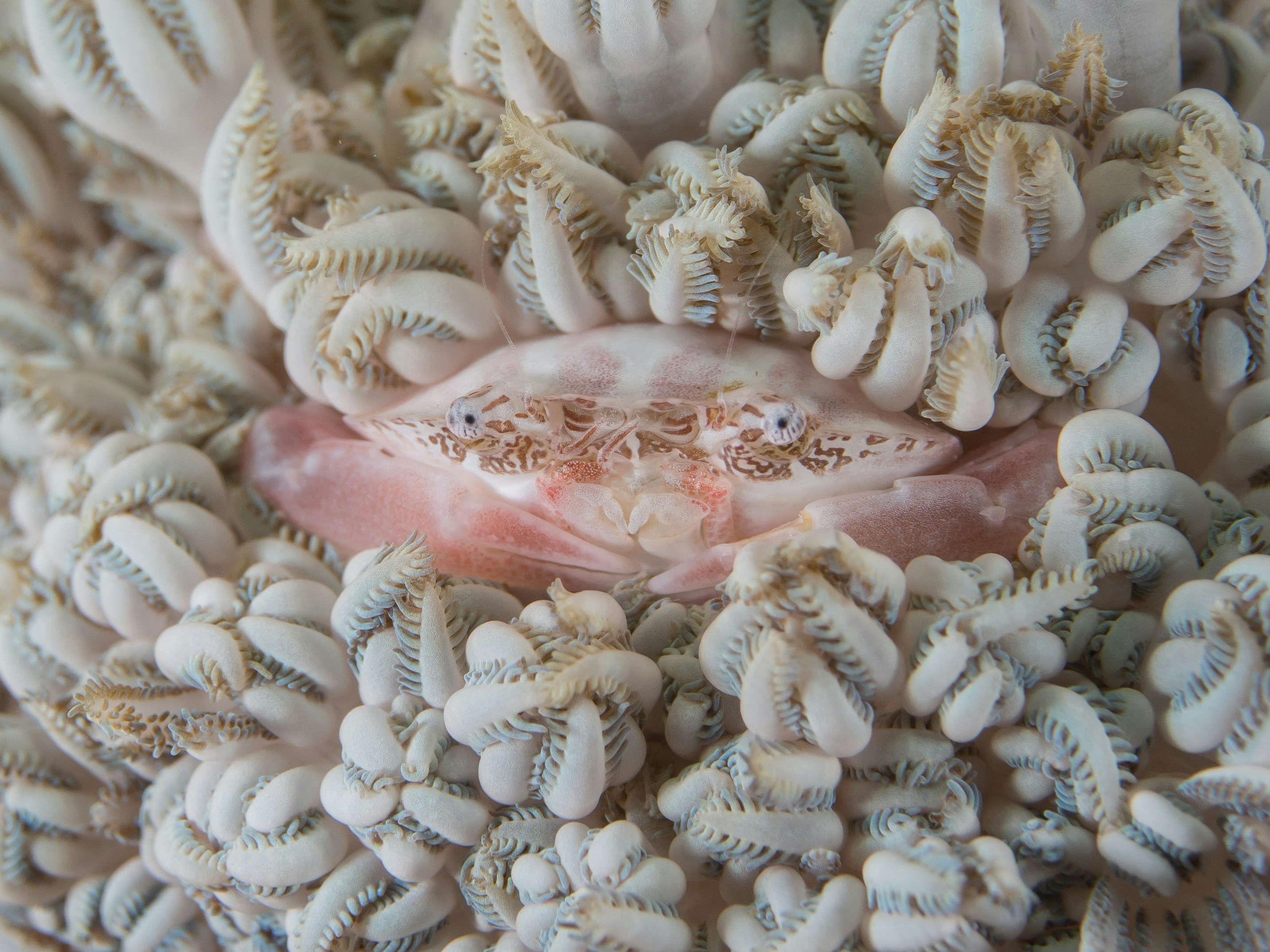
Heat-stressed corals could benefit from the feeding behavior of a coral-dwelling crab, a new study reports. Researchers on the Great Barrier Reef exposed corals to combinations of physical wounding, harmful algae, and a common coral-dwelling crab during a heatwave, monitoring corals for tissue loss. The presence of crabs reduced the risk of tissue loss, particularly among wounded corals, possibly because crabs fed along dying tissue, cleaning damaged areas. These results illustrate how symbiotic species may be able to buffer the negative effects of environmental stress on corals, which will become increasingly important in a warming ocean.
Debride to survive - Crabs could protect coral reefs from the effects of climate change. During a heatwave on the Great Barrier Reef corals were damaged or exposed to harmful algae and monitored for tissue loss. When common coral-dwelling crabs were present, corals’ risk of significant tissue loss reduced by 63%. Crabs feed on dying tissue, cleaning wounded areas, and therefore could protect corals against environmental stressors. Proceedings B
Attachments
Note: Not all attachments are visible to the general public. Research URLs will go live after the embargo ends.


