COVID-19 jab side effects may mean you're better protected

Publicly released:
International
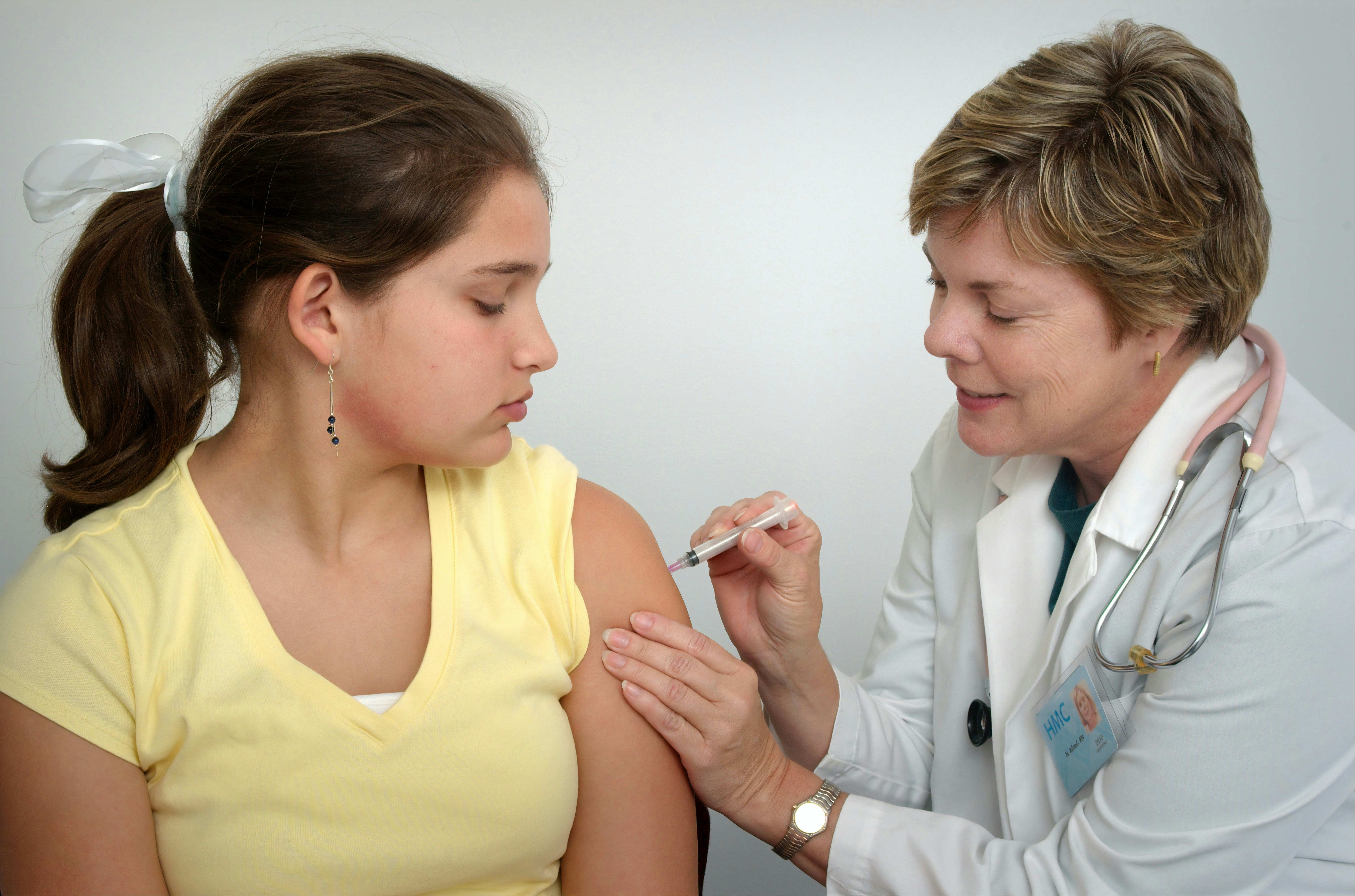
Photo by CDC on Unsplash

If you feel a bit yuck after your COVID-19 jab, you may have a better immune response, according to international researchers. The study looked at 363 people in the US who had not been vaccinated against, or exposed to, COVID-19, who then received two doses of the Pfizer or Moderna jab. They found short-term side effects after the second dose, such as chills, tiredness, feeling unwell, and headache, were associated with a 1.4- to 1.6-fold higher immune response at one and six months after vaccination. Each 1°C increase in skin temperature after the second dose was also linked with a 1.8-fold higher response a month later, and a 3.1-fold higher response six months later. The findings might help address fears about vaccine side effects, the team says, which can sometimes stop people getting the jab.

Media release

From: American College of Physicians

Short-term side effects after COVID-19 vaccination associated with greater antibody response

A study of newly vaccinated adults found that short-term side effects after vaccination were associated with greater long-lasting neutralizing antibody (nAB) responses. The study is published in Annals of Internal Medicine.

Researchers from the University of California, San Francisco conducted a prospective cohort study of 363 persons who had not been vaccinated against or exposed to SARS-CoV-2, who then received 2 doses of either BNT162b2 or mRNA-1273. The authors found that the presence of chills, tiredness, feeling unwell, and headache after the second dose were each associated with 1.4- to 1.6-fold higher nAB at 1 and 6 months after vaccination. They also found that each 1-degree Celsius increase in skin temperature after dose 2 was associated with 1.8-fold higher nAB 1 month later and 3.1-fold higher nAB 6 months later. The authors say that their findings may be relevant in addressing negative attitudes toward vaccine side effects, which are a barrier to vaccine uptake.

Attachments

Note: Not all attachments are visible to the general public. Research URLs will go live after the embargo ends.

Research American College of Physicians, Web page The URL will go live after the embargo lifts.
Journal/
conference:
Annals of Internal Medicine
Research:Paper
Organisation/s: University of California, USA
Funder: By funding from the National Institutes of Health (National Institute on Aging grants R24AG048024 and 5U24AG066528 and National Cancer Institute grant U54CA260581)
Media Contact/s
Contact details are only visible to registered journalists.