 Sign In



 International
News release
From:
Peer reviewed Modelling study Animals
African great apes predicted to see frequent extreme climate events in the next 30 years
Even with climate change mitigations, apes across Africa will experience more wildfires and flooding
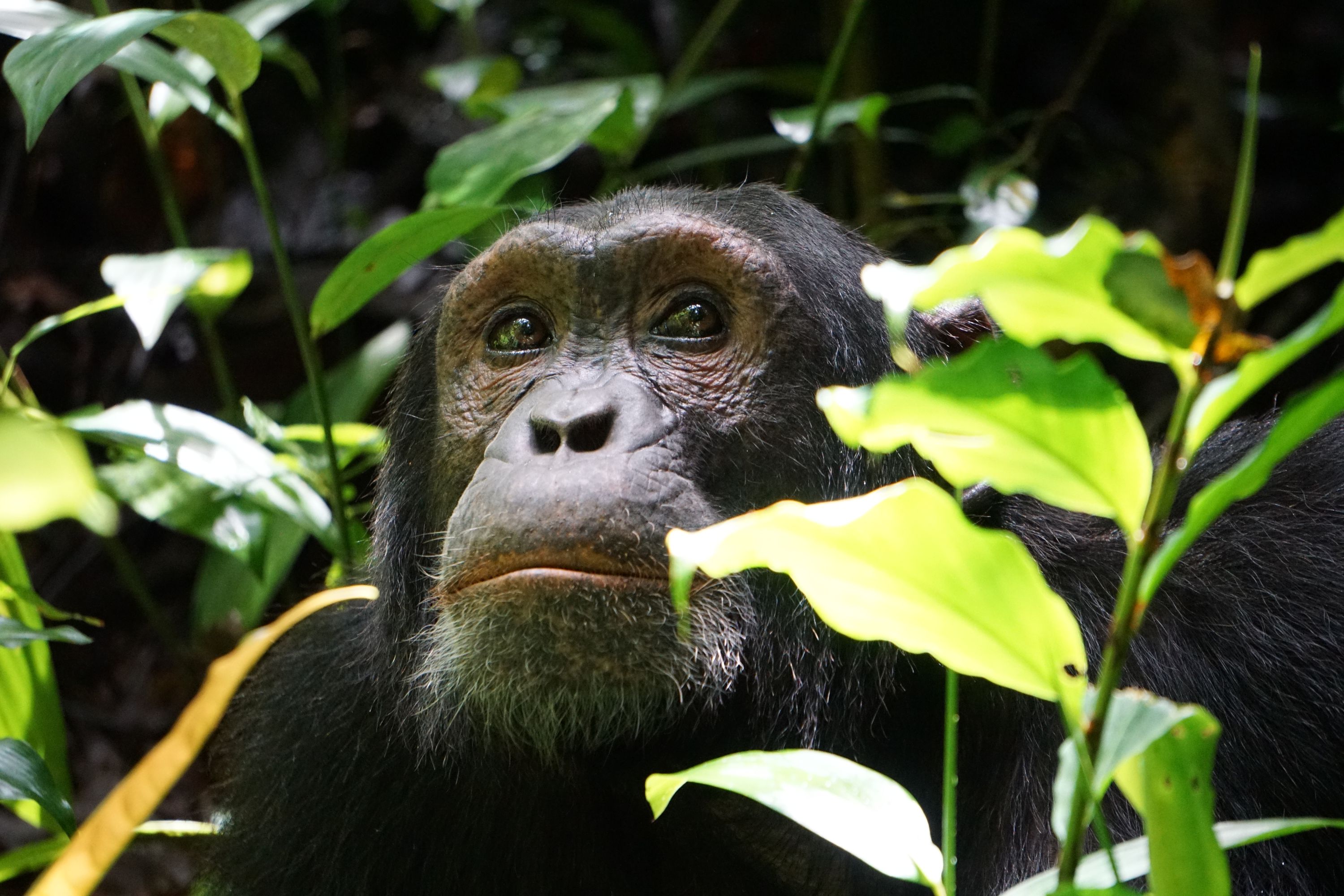
African apes are already being exposed to climate change impacts, and will experience extreme events such as wildfires, heatwaves and flooding more frequently in the next 30 years, according to a study publishing February 28 in the open-access journal PLOS Climate by Razak Kiribou at Haramaya University in Ethiopia and colleagues.
To better understand how African great apes will be affected by climate change, researchers investigated past and future climate for 363 sites across Africa. They estimated temperature and rainfall at each site between 1981 and 2010. Using two climate change scenarios, they projected how frequently apes would be exposed to climate change impacts in the near future (2021 – 2050) and the long term (2071 – 2099). They estimated the likelihood of extreme events that could impact apes directly or indirectly, such as droughts, flooding, wildfires, and crop failure. Between 2007 and 2016, almost half of the sites had experienced higher than average temperatures, and eastern chimpanzees (Pan troglodytes schweinfurthii) experienced the most extreme temperatures. Under both climate scenarios, temperatures were projected to increase at all sites, and almost all sites will be affected by frequent wildfires and crop failures in the near future. Under a scenario where mitigations limit warming to 2°C above pre-industrial levels, 84% of sites were exposed to frequent heatwaves and 78% of sites to infrequent flooding in the next 30 years. Under an alternative scenario where global temperatures rise 3°C, the number of affected sites and the frequency of events was higher.
The study is the first to show that African apes are already experiencing the effects of climate change, and that extreme events are likely to become more frequent in the near future. Conservation action plans should aim to increase the resilience of ape populations to climate change, the authors say.
The authors add: “Our study indicates an urgent need to incorporate adaptation to climate change impacts into conservation planning for African great apes.”
#####

