 Sign In



Multimedia

Attachments
Note: Not all attachments are visible to the general public. Research URLs will go live after the embargo ends.

 Australia; NSW

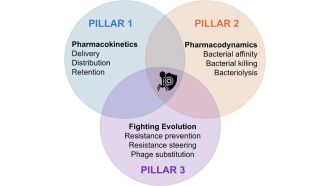
A new paper published in Nature Communications is helping shape the future of phage therapy, a promising approach that uses viruses called bacteriophages to treat bacterial infections. Led by Dr Aleksandra Petrovic Fabijan at Westmead Institute for Medical Research, the paper explores why phage therapy can work extremely well for some patients but not for others, and what the field needs to do to make it a more predictable and reliable treatment option. As antibiotic resistance continues to rise globally, the research is especially relevant for patients with multidrug-resistant infections who have exhausted conventional treatment options. The paper argues that improving how phages are delivered, tested and matched to infections could help move phage therapy from a last resort option towards routine clinical care. Dr Petrovic Fabijan is a Phage Research Scientist at WIMR, where her work focuses on improving the clinical reliability of phage therapy through translational research closely connected to patient need.
Note: Not all attachments are visible to the general public. Research URLs will go live after the embargo ends.

