 Sign In



 Australia; NSW
News release
From:
Researchers at the Centenary Institute, Chris O’Brien Lifehouse, NSW Health Pathology and Royal Prince Alfred Hospital have found a potential new way to help doctors identify which head and neck cancer patients may be at higher risk of their cancer returning, using a simple blood test.
Each year, around 5,500 Australians are diagnosed with head and neck cancer, which affects the lining of the mouth, throat and voice box. While many patients respond well to treatment, a significant number experience relapse, often with limited early warning.
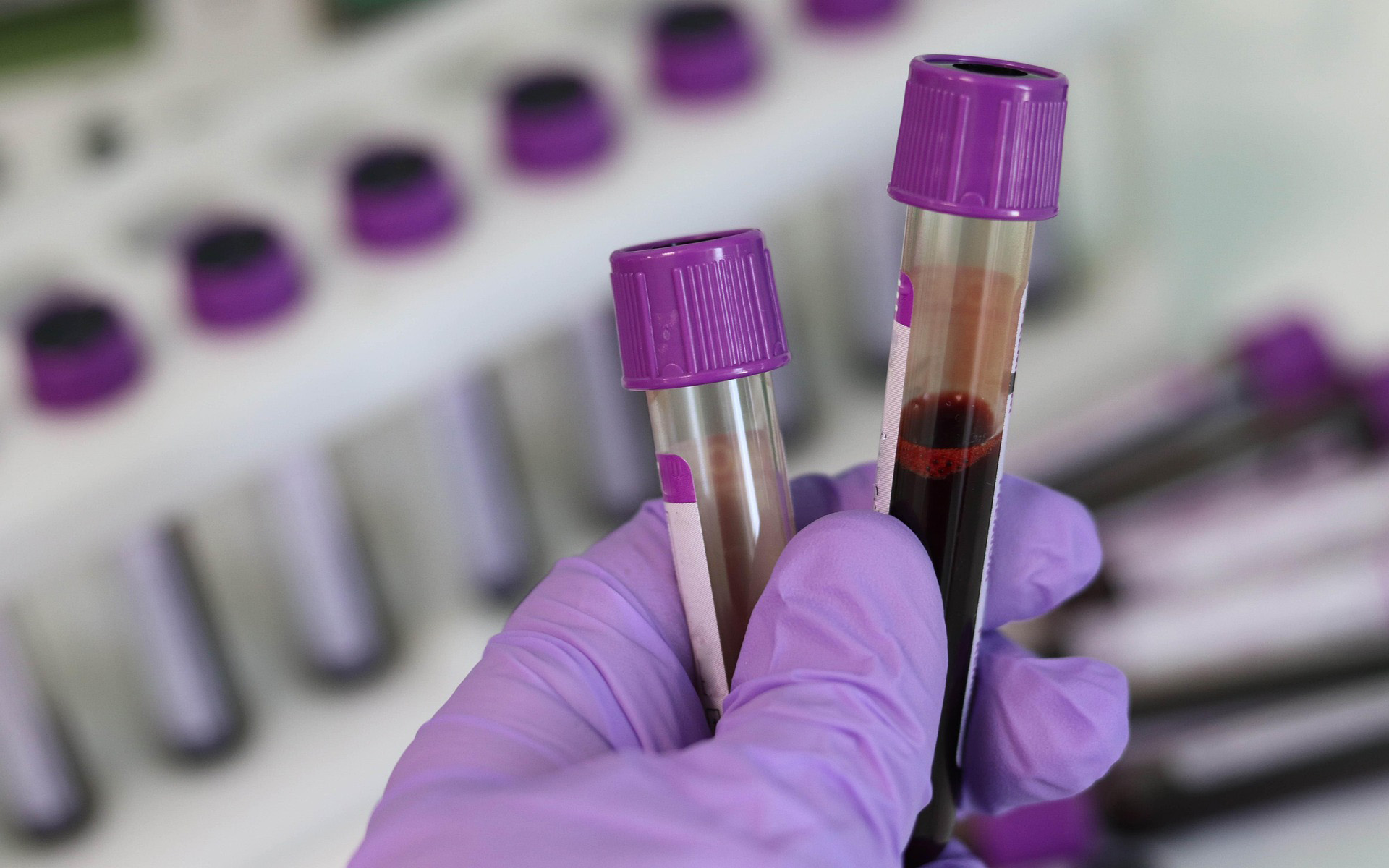
In the study, researchers focused on circulating tumour cells (CTCs), which are cancer cells that have broken away from a tumour and entered the bloodstream. By analysing blood samples from patients with head and neck cancer, the team found that the presence of these cells in the blood after surgery was associated with a higher likelihood of cancer recurrence.
“At the moment, follow-up care relies heavily on scans and clinical examinations, which don’t always clearly identify who is most at risk of early relapse,” said Professor Jonathan Clark AM, co-senior author of the study and Director of Head and Neck Cancer Research at Chris O’Brien Lifehouse.
“Our findings suggest that detecting circulating tumour cells could provide additional information to help identify patients who may benefit from closer monitoring after surgery,” added Dr Dannel Yeo, lead author of the study and a Laboratory Head at the Centenary Institute’s Centre for Cancer Innovations.
The researchers say that the blood test is not designed to replace existing diagnostic tests. Instead, it could complement them by adding another layer of information about a patient’s risk profile.
“This research is about supporting more informed clinical decision making,” said Professor Ruta Gupta, co-senior author of the study, Clinical Director of the Department of Tissue Pathology and Diagnostic Oncology at Royal Prince Alfred Hospital, NSW Health Pathology.
“This approach could help tailor follow-up care ensuring patients at higher risk receive closer surveillance.”
The researchers note that further clinical studies are needed before circulating tumour cell testing could be adopted routinely. However, the findings add to growing evidence that blood-based biomarkers could play an important role in more personalised cancer care.
The study has been published in the European Journal of Surgical Oncology.
Multimedia

Attachments
Note: Not all attachments are visible to the general public. Research URLs will go live after the embargo ends.


