 Sign In



 International
News release
From:
Age dominates flight distance and duration, while body size shapes flight speed in Bombus terrestris L. (Hymenoptera: Apidae)
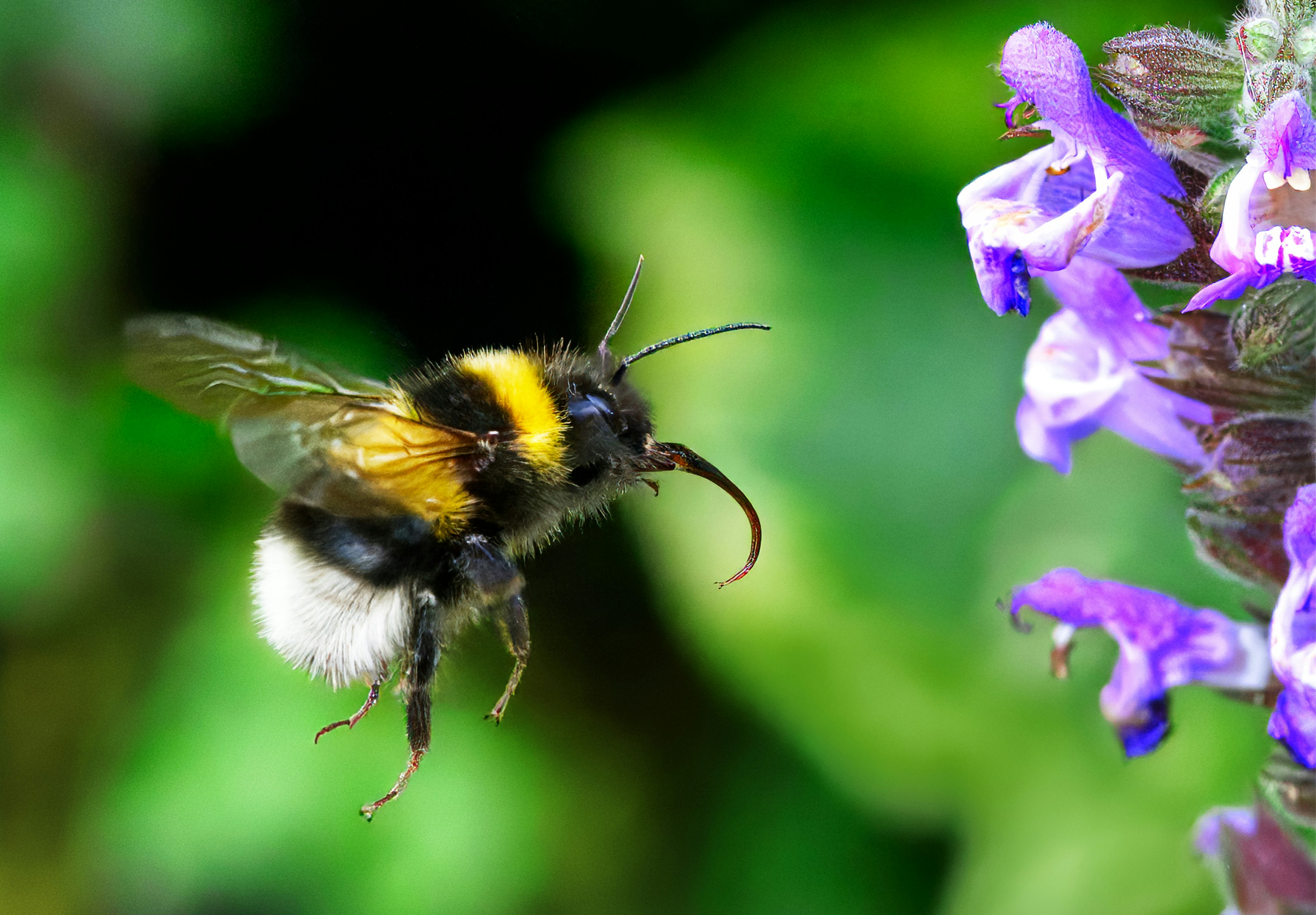
Our research explores how age and body size affect the flight abilities of bumble bee workers. Using a flight mill setup, we found that older bees fly longer distances, while larger bees fly faster. This suggests that age plays a substantial role in bumble bee flight performance, influencing their foraging efficiency and task allocation. These findings highlight the importance of considering both age and body size in studies of their physiology and behaviour.
Fatter faster older further - Older bees take to the skies for longer periods of time, but larger ones fly faster. Worker buff-tailed bumblebees (Bombus terrestris) were tethered, swing ball-style, to a ‘flight mill’ to analyse their performance. Age impacted duration and distance of flight, with 14-day-old bees flying six-times further than seven-day olds. Larger bees, however, flew the fastest. This may have a ‘crucial role in the foraging efficiency of workers’, the authors say.
Attachments
Note: Not all attachments are visible to the general public. Research URLs will go live after the embargo ends.


