 Sign In



 International
News release
From:
More Mammals Are Being Struck by Aircraft Each Year
Investigators have published a global review of mammal strikes with aircraft, noting that events have been increasing by up to 68% annually. More mammals were struck during the landing phase of an aircraft’s rotation than any other phase, according to the article published in Mammal Review.
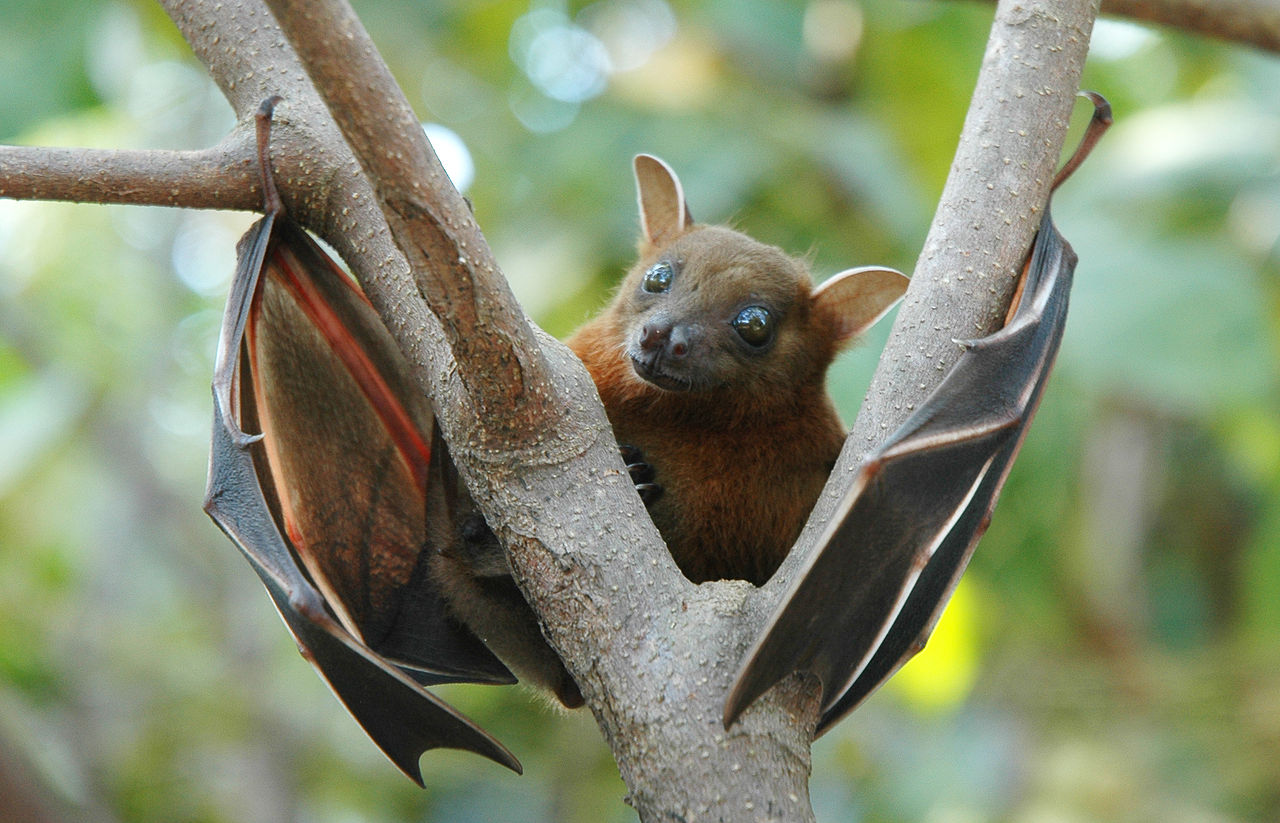
By analyzing published information and mammal strike data from national aviation authorities in Australia, Canada, France, Germany, the United Kingdom, and the United States, researchers found that bats accounted for the greatest proportion of strikes in Australia; rabbits and dog-like carnivores in Canada, Germany, and the United Kingdom; and bats and deer in the United States. Average mammal strikes per year ranged from 1.2 to 38.7 across the countries analyzed, for every million aircraft movements.
Over 30 years, the estimated cost of damage resulting from reported mammal strikes exceeded $103 million in the United States alone.
“Mammals are incredibly diverse and those involved in strike events are no exception. As we identified 47 countries which have reported strikes with mammals, the species involved ranged from some of the world’s smallest mammals, such as voles, all the way up to the mighty giraffe and included mammals of all sizes in between. As strike events can affect everything from passenger safety, airline economics and local conservation, understanding the species composition and ecology of the local fauna at an airfield is paramount for effective strike mitigation,” said lead author Samantha Ball of University College Cork, in Ireland.
Attachments
Note: Not all attachments are visible to the general public. Research URLs will go live after the embargo ends.


