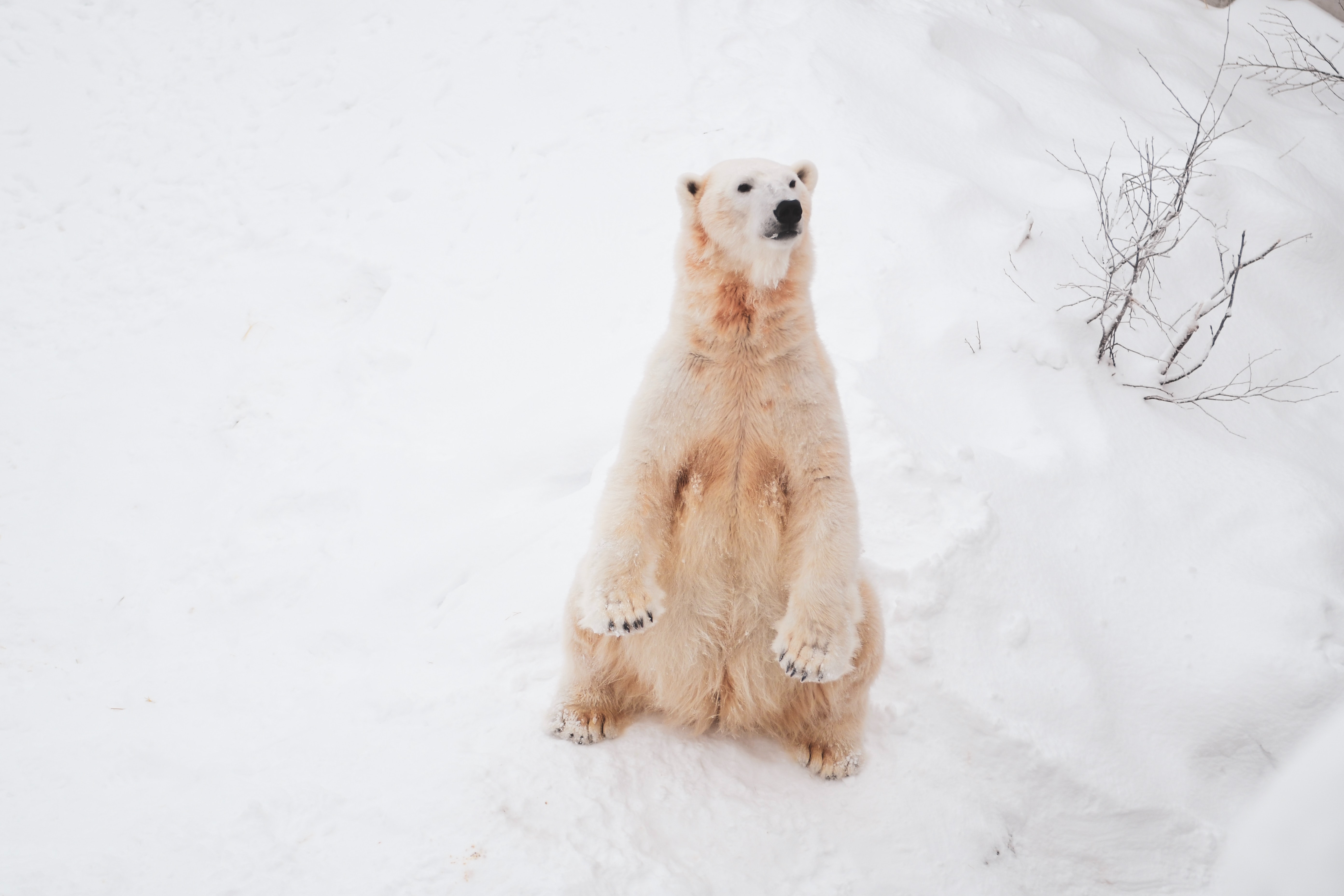
As Arctic ice melts, polar bear gene pools are shrinking

Publicly released:
International
Photo by Bao Menglong on Unsplash

Climate change is already affecting the genetic diversity of polar bears as Arctic ice melts, according to international research. Analysing the genetics of just over 600 polar bears from the Svalbard Archipelago in Norway, the researchers found there had been a 3-10 per cent loss in genetic diversity among the bears from 1995 to 2016. The researchers say this change in diversity could be explained by a loss of ice coverage in the region leading to greater inbreeding as it becomes harder for different polar bears to move from their local area.

Media release

From: The Royal Society

The erosion of Arctic sea ice triggered by global warming strikes at the very core of long-term viability of polar bears, one of the Arctic’s indigenous ice-dependent species. We have studied how changes in the genetic diversity of polar bears coincide with declining sea ice coverage in the Svalbard Archipelago. We found an alarming 3-10% loss of genetic diversity across only 20 years, accompanied by rapid increase in genetic isolation among regions due to reduced contact with polar bears from the outside. We also show that these detrimental genetic changes are likely to become more severe in the future.

Attachments

Note: Not all attachments are visible to the general public. Research URLs will go live after the embargo ends.

Research The Royal Society, Web page The URL will go live after the embargo ends
Journal/
conference:
Proceedings of the Royal Society B: Biological Sciences
Research:Paper
Organisation/s: Norwegian Institute of Bioeconomy Research, Norway
Funder: The World Wildlife Fund supported the fieldwork with significant funding. S.N.M. is grateful to the Norwegian Institute of Bioeconomy Research for financial support.
Media Contact/s
Contact details are only visible to registered journalists.