 Sign In



 Australia; NSW
News release
From:
Artificial light at night and warming impact grazing rates and gonad index of the sea urchin Centrostephanus rodgersii
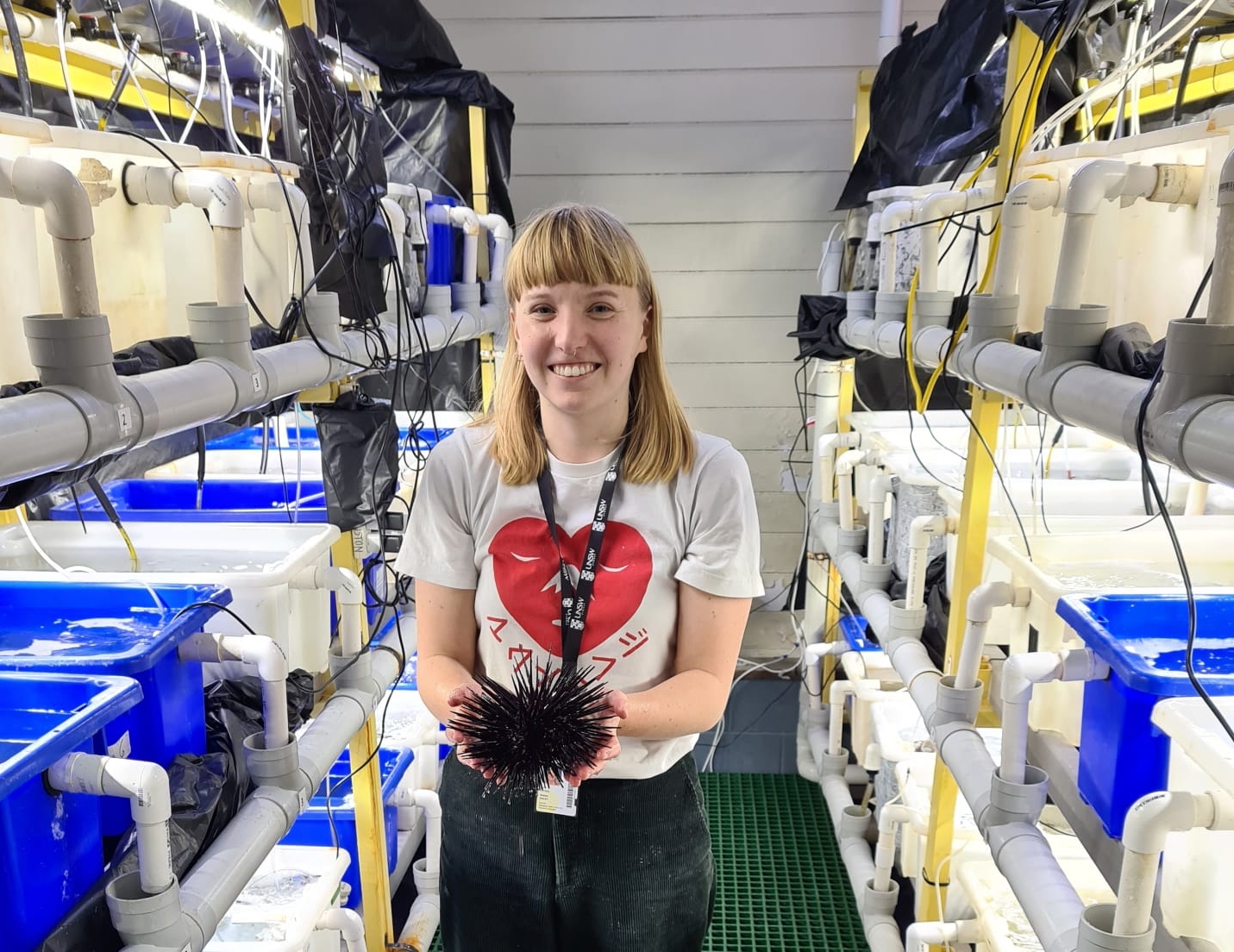
Artificial light at night refers to night-time light pollution emitted by humans, and is a growing problem for marine habitats. Kelp forests are important habitats that provide food and shelter to a range of marine species. However, they are declining due to increased ocean warming and grazing by marine herbivores, such as sea urchins. Scientists tested the effects of artificial light at night and warming on the grazing rates and gonad growth of a sea-urchin, Centrostephanus rodgersii, and found artificial light at night and warming increased grazing rates. This finding can inform future management of human impacts on our coastlines.
Attachments
Note: Not all attachments are visible to the general public. Research URLs will go live after the embargo ends.


