 Sign In



 Australia; NSW; SA; TAS
News release
From:
Ancient sediments on Kangaroo Island show climate change drove fire activity in the absence of people
Ancient lake sediments on Kangaroo Island show that during a period when humans did not inhabit the island, since about 5,000 years ago, a drying climate and lack of management by people led to bushfire intensification.
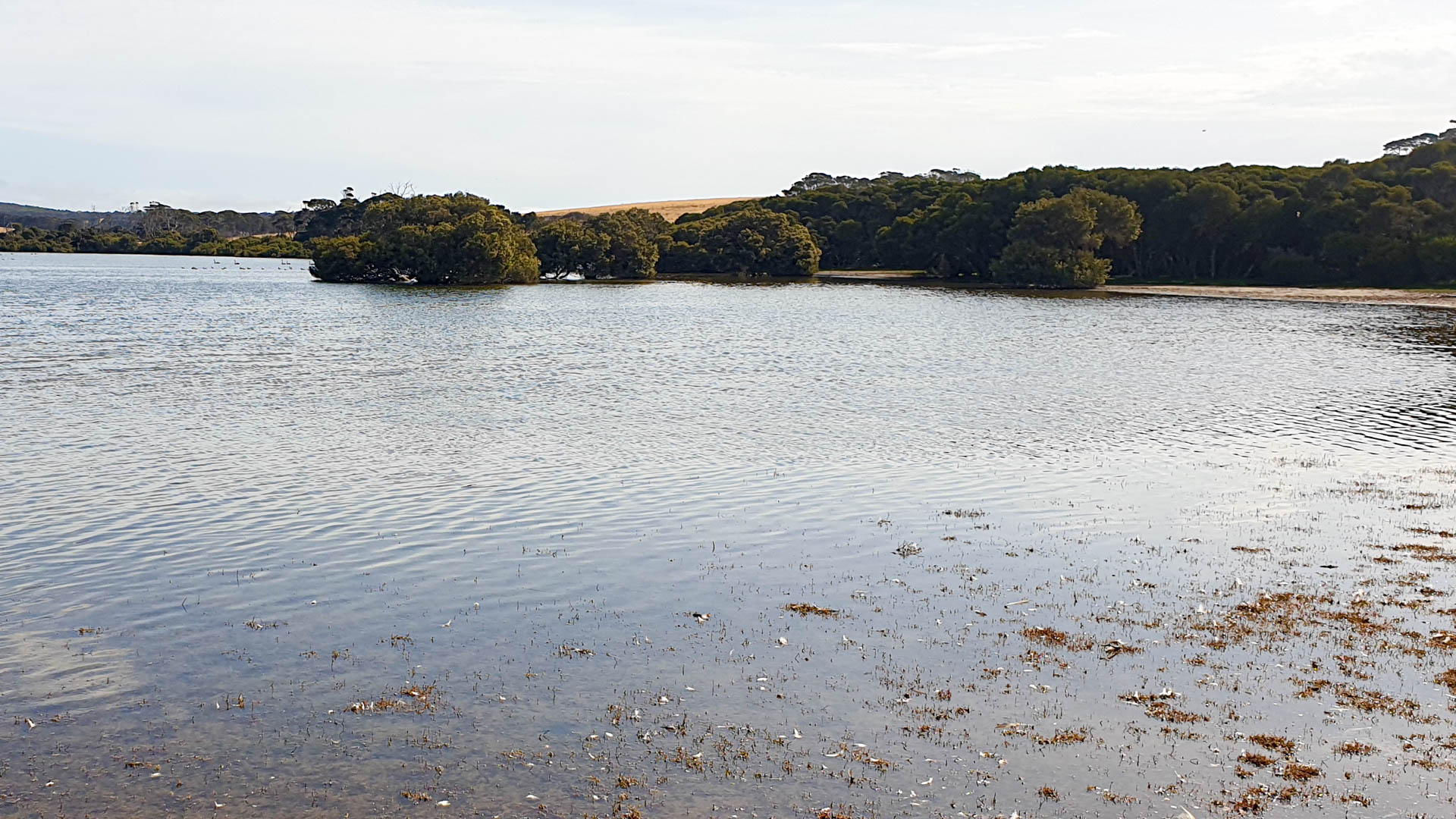
The finding, which Adelaide University researchers made by examining a seven-metre-long sediment core extracted from Lashmars Lagoon, on the Dudley Peninsula, provides context for contemporary management of the island’s unique flora and fauna.
“Through rigorous screening of the archaeological evidence, we found the last reliable evidence for people on Kangaroo Island was no less than about five thousand years ago, which concurs with Indigenous oral histories that describe the departure of people from the Island following isolation from the mainland,” said chief investigator Associate Professor Jonathan Tyler, from Adelaide University.
“After people left, a more shrubby, denser vegetation established on the island; however, fire remained relatively rare and subdued in the landscape for a further 3,000 years, probably due to a wetter climate.
“In the past 2,000 years, fire activity on the island increased, coinciding with a trend towards drying climate. This culminated in very prominent fire activity between 1150–1350 CE.”
The research, which was conducted by former Adelaide University students Lucinda Duxbury and Haidee Cadd, highlights the resilience of the Kangaroo Island flora to major fire activity in the past, and the possibility that the Island’s current vegetation is in part shaped by a unique fire history.
“Biodiversity on Kangaroo Island appears to have weathered major changes in climate and fire regime in the past, and flourished into the island we love today,” said Associate Professor Tyler, from Adelaide University’s Environment Institute.
“However, we still need to better understand the importance of the subsequent centuries of calm in allowing ecosystems to recover, and whether the environment can continue to withstand ever decreasing water resources and more frequent and intense fires.”
Fire risk continues to increase around the world, and the study’s authors emphasise the role Indigenous land management practices could play in response to this increased risk.
“Mainland Australia experienced reduced fire activity during the same period, while also experiencing the same impacts of climate drying, which suggests that Indigenous stewardship may have suppressed bushfires,” said Associate Professor Tyler, whose study was published in Global and Planetary Change.
“With a rapidly changing climate, there is an urgent need to combine Indigenous knowledge, community engagement and western scientific evidence to conserve Earth's unique ecosystems for future generations.”
For more on this story, read Associate Professor Tyler’s Conversation article.

