 Sign In



 New Zealand
News release
From:
Francisco Astorga-Mendoza, lead author of this paper, comments:
"New Zealand is often seen as a clean energy leader, but when you look beyond the electricity grid, most of the country's energy still comes from fossil fuels, especially in transport and industrial heating.
"Our study is the first to examine how all these sectors affect the environment together, from the moment raw materials are extracted, through when energy is actually used, to when the infrastructure is decommissioned.
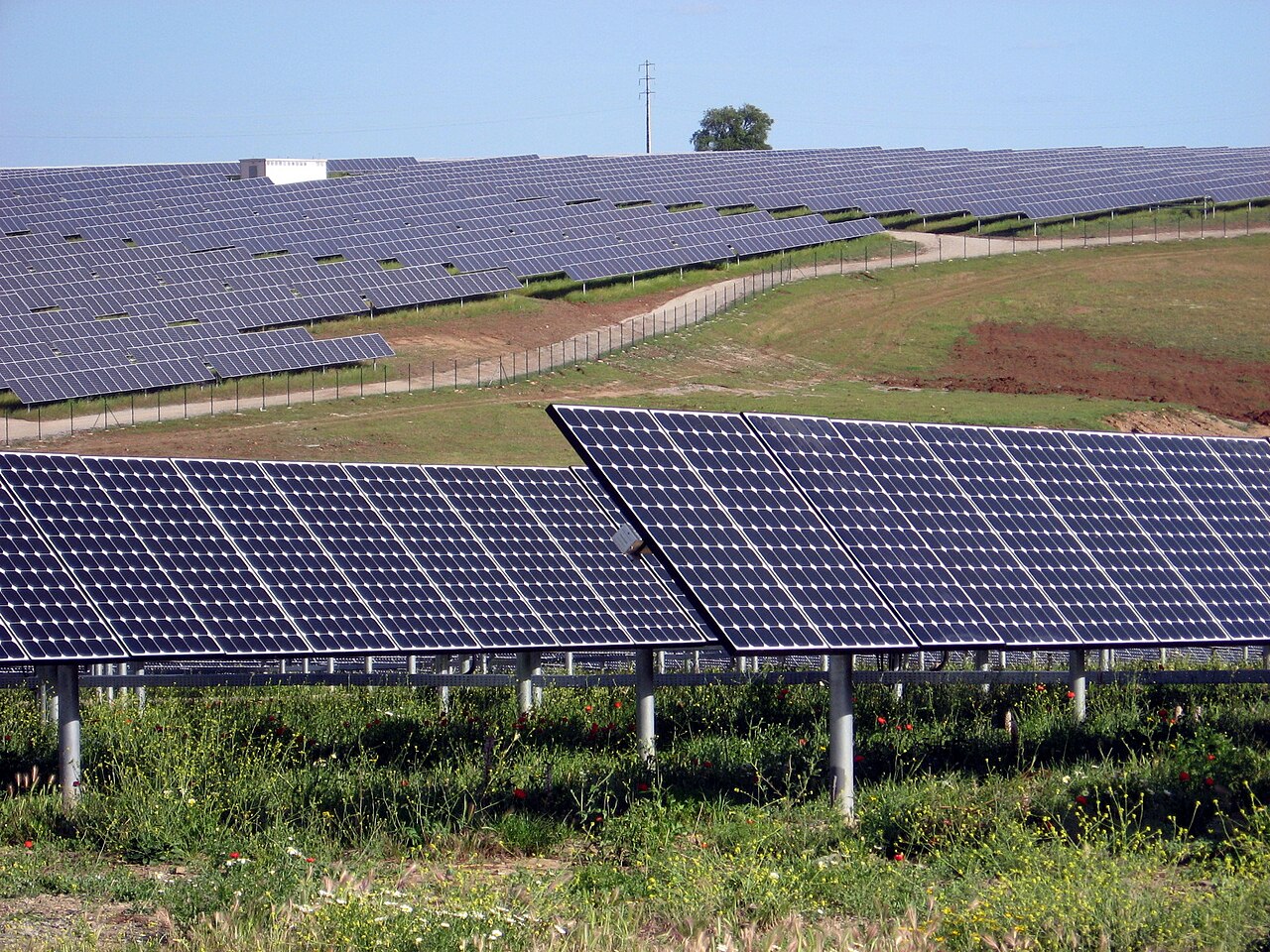
"We found that renewable sources like hydropower, wind, geothermal, and solar not only have a carbon footprint up to 100 times lower than fossil fuels, but also significantly reduce local air pollution, land use, and oil dependency.
"Similarly, electric vehicles (even accounting for battery manufacturing) outperform petrol cars, and can even reduce the use of precious materials like platinum, used in catalytic converters, and cobalt, consumed in petrol refining. The use of biomass (wood) for industrial heat has a low carbon footprint, but it is critical to manage where we source the resource, as its exploitation can damage native forests and ecosystems. The minerals needed to build tomorrow's clean energy infrastructure remain the main challenge ahead, but technological progress and circular economy practices give us reason for optimism."
"New Zealand is often seen as a clean energy leader, but when you look beyond the electricity grid, most of the country's energy still comes from fossil fuels, especially in transport and industrial heating.
"Our study is the first to examine how all these sectors affect the environment together, from the moment raw materials are extracted, through when energy is actually used, to when the infrastructure is decommissioned.
"We found that renewable sources like hydropower, wind, geothermal, and solar not only have a carbon footprint up to 100 times lower than fossil fuels, but also significantly reduce local air pollution, land use, and oil dependency.
"Similarly, electric vehicles (even accounting for battery manufacturing) outperform petrol cars, and can even reduce the use of precious materials like platinum, used in catalytic converters, and cobalt, consumed in petrol refining. The use of biomass (wood) for industrial heat has a low carbon footprint, but it is critical to manage where we source the resource, as its exploitation can damage native forests and ecosystems. The minerals needed to build tomorrow's clean energy infrastructure remain the main challenge ahead, but technological progress and circular economy practices give us reason for optimism."
Attachments
Note: Not all attachments are visible to the general public. Research URLs will go live after the embargo ends.


