Sign In



 New Zealand; International
Expert Reaction
These comments have been collated by the Science Media Centre to provide a variety of expert perspectives on this issue. Feel free to use these quotes in your stories. Views expressed are the personal opinions of the experts named. They do not represent the views of the SMC or any other organisation unless specifically stated.
Professor Steve Trewick of the Wildlife & Ecology Group at Massey University, an author of this study, comments
CLIMATE SQUEEZE – the road to extinction
"Alpine insects are losing ground.
"Climate change is here. Increasing global temperatures has already resulted in alpine species disappearing from their lowest elevations.
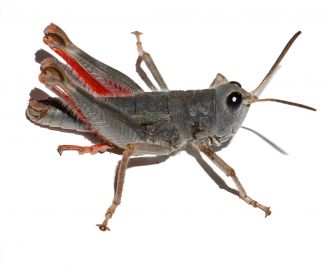
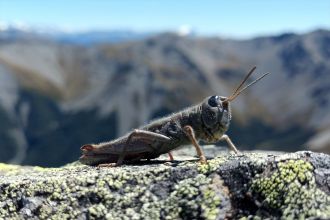
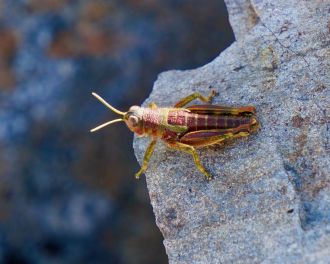
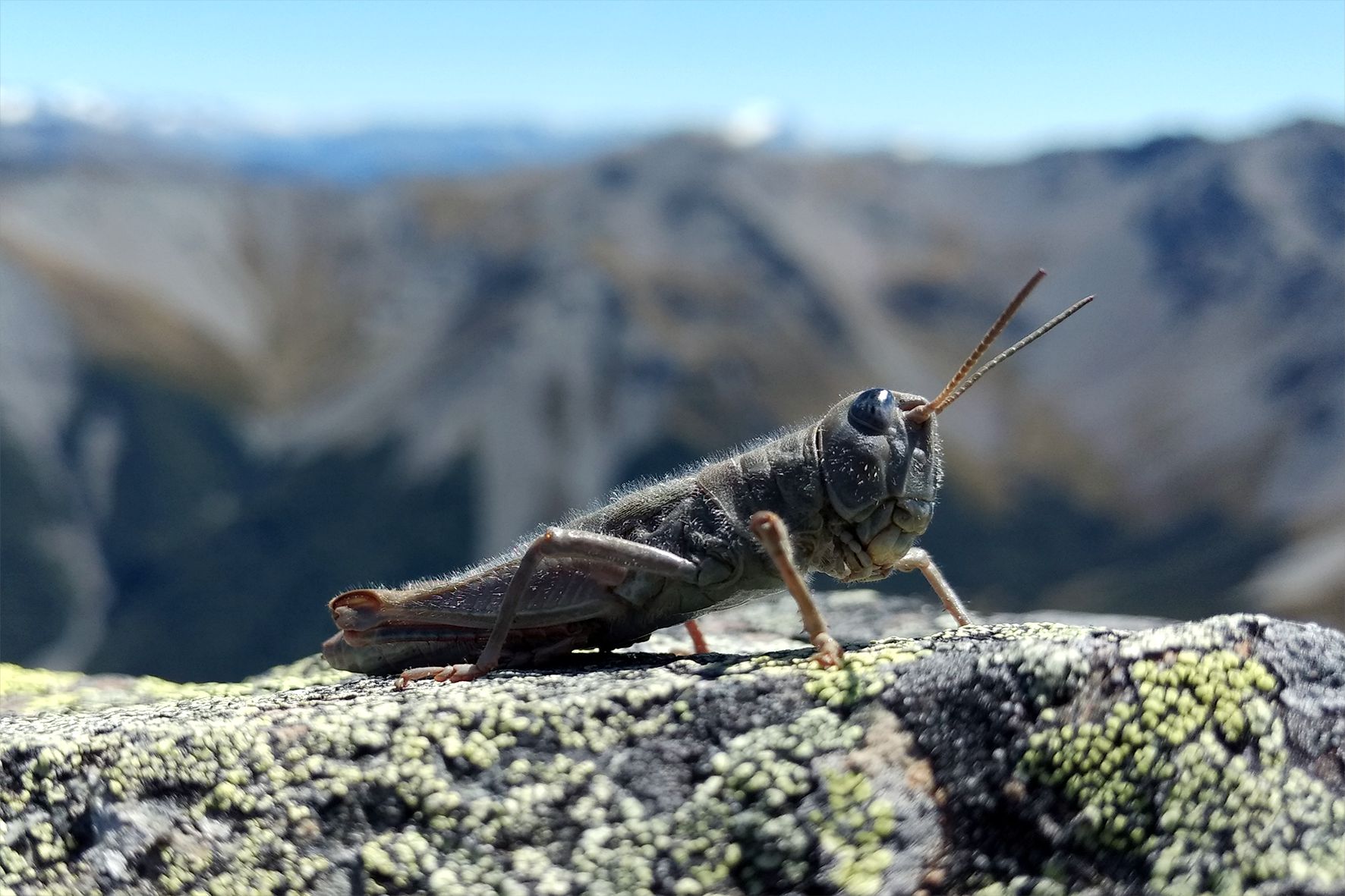
"In Aotearoa New Zealand this is most apparent among the endemic alpine-adapted grasshoppers, that live above the tree-line on mountains and have evolved to survive repeated freezing and thawing.
"Data spanning 52 years show the lowest elevation recorded for New Zealand’s largest grasshopper (Sigaus villosus) in Canterbury has moved 290 metres up the mountain. This means this flightless black-eyed alpine specialist is now missing from habitat it was using in the 1960s because rising temperatures have already reduced the habitat suitable for this endemic species.
"Although some alpine species can move up mountains to track cooler conditions higher up, that is only possible if the mountain is tall enough. In some places they have reached the top already, resulting in a squeeze on space as lower elevations get too hot. This change to the distribution of alpine insects is documented world-wide as shown by a newly published review in the science journal Evolution & Ecology: Meza-Joya et al. 2025
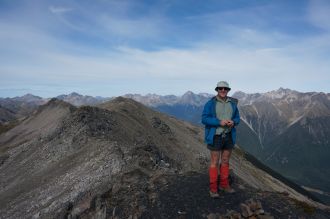
"The review of alpine insect species from around the world shows that more than half have lost some of their lowest elevation habitat (over 10 or more years). Upslope expansion was observed in 56% of studied alpine species – but upslope expansion has not been recorded for New Zealand’s largest alpine grasshopper which can live at 2130 m above sea level. Fewer than 30 peaks in the Southern Alps are over 3000 m asl so there is not a limitless supply of potential habitat.
"Space is not the only problem. Higher up a mountain the lower the oxygen level – a factor that might prevent some species expanding. And, the shape of mountains means that habitat patches get smaller, fragmenting and reducing populations size.

Multimedia