 Sign In



 New Zealand
Expert Reaction
These comments have been collated by the Science Media Centre to provide a variety of expert perspectives on this issue. Feel free to use these quotes in your stories. Views expressed are the personal opinions of the experts named. They do not represent the views of the SMC or any other organisation unless specifically stated.
Dr Suzanne Vallance, Senior Researcher in Environmental Social Science at Manaaki Whenua and an author of this study, comments:
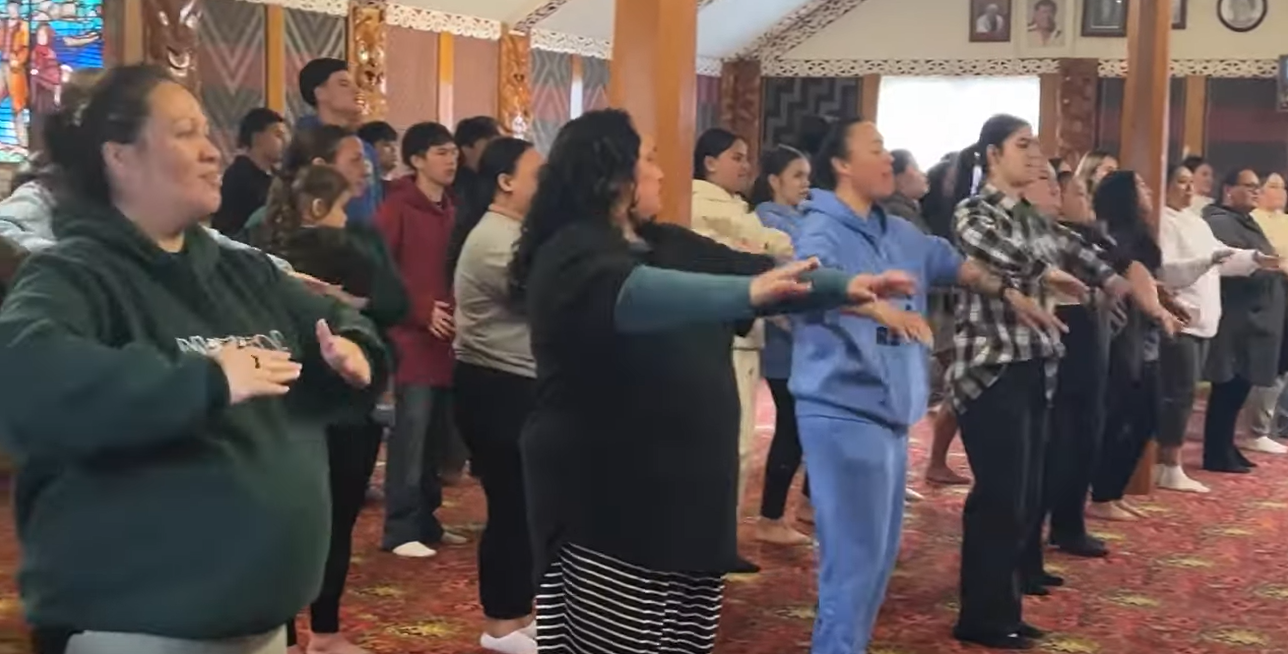
Te Matatini has ensured kapa haka is now a well-recognised form of national entertainment, but this has led to some debate about performance versus deeper political and cultural kaupapa.
"We explored the political potential of kapa haka by talking to members of a kapa haka group based in Te Reureu Valley (Manawatū). When tended by ahi kā—those who live in the valley and keep the fires of occupation burning—kapa haka (re)forged crucial relationships between awa, whenua and whānau, so the community could work together more effectively and improve their political literacy.
"We conclude that ahi kā play a key role in tending practices like kapa haka, helping Māori negotiate challenges associated with land loss, fractured land ownership and the underutilisation of land, and navigate complex political contexts.

Multimedia

