 Sign In



 Australia; NSW
News release
From:
Ahead of long weekend, new research warns of increased drowning risk.
People are reminded to be vigilant about their water safety this June long weekend, following new research from Surf Life Saving Australia (SLSA) highlighting the increased risk of death and drowning on public holidays.
The research, published today in The Australian and New Zealand Journal of Public Health analysed coastal deaths from 2004 to 2021 and found the risk of coastal death (drowning deaths and fatalities due to other causes) more than doubled on public holidays and was even higher on long weekends.
Over the 17-year study period, 185 coastal deaths occurred on public holidays and 167 on long weekends. One in six coastal drowning deaths occur in winter.
Children younger than 16 years and overseas-born Australian residents were most vulnerable, whose risk of dying on the coast tripled over public holidays and long weekends compared to other times.
Article co-author Dr Jasmin Lawes, Lead Researcher from SLSA says the research also uncovered which coastal activities that significantly increased the risk of mortality.
“On long weekends scuba diving and snorkelling were particularly associated with an increased risk of drowning or death, whereas on public holidays we saw greater risk associated with swimming, wading and bystander rescues.”
Co-author Mr Shane Daw ESM, General Manager of Coastal Safety at SLSA says the research will help inform new measures to help keep people safe on the coast.
“On public holidays and long weekends, people flock to the coast – and this increased visitation brings increased exposure to risk. This research shows that children and overseas-born residents are most vulnerable to, and are probably less familiar with, the risks at Australian beaches. We need tailored water safety education and messaging to help protect these at-risk groups.”
Mr Daw has a simple message for anyone heading to the coast this weekend.
“Many parts of the country are not patrolled over Winter, so if you are swimming at the beach this weekend, download the BeachSafe APP or visit www.beachsafe.org.au to find the nearest red and yellow flags.
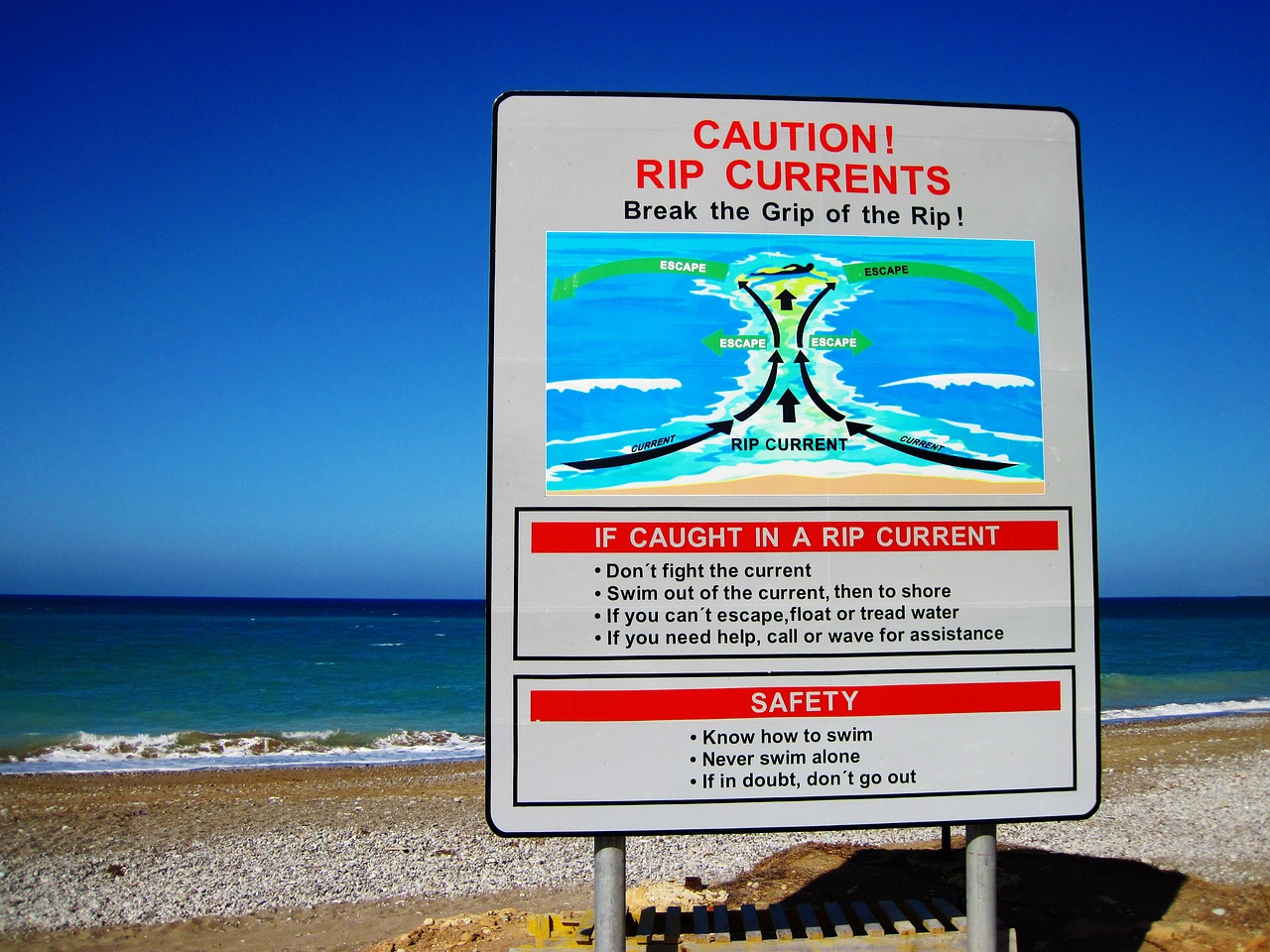
“If you do find yourself at an unpatrolled location, we are asking everyone to adopt a STOP. LOOK. PLAN approach. STOP and check for hazards including rip currents, LOOK for other dangers like large waves or rocks, and PLAN how to stay safe before entering the water”.
Key Actions and Safety Tips for this Long Weekend:
1. Swim at a patrolled beach between the red and yellow flags. Download the BeachSafeAPP or visit BeachSafe to find a patrolled beach: https://beachsafe.org.au/
2. Wear a lifejacket if you are going boating, rock fishing, or on watercraft
3. Avoid alcohol and drugs when around water
4. Always supervise children on, in and around water at all times
5. Check weather conditions before heading out.
6. Know your limits
7. Seek the advice of surf lifesavers or lifeguards
8. STOP, LOOK, PLAN - STOP – check for hazards i.e. rip currents. LOOK – for other dangers. PLAN – how to stay safe,and swim at a patrolled beach
ENDS
Attachments
Note: Not all attachments are visible to the general public. Research URLs will go live after the embargo ends.


